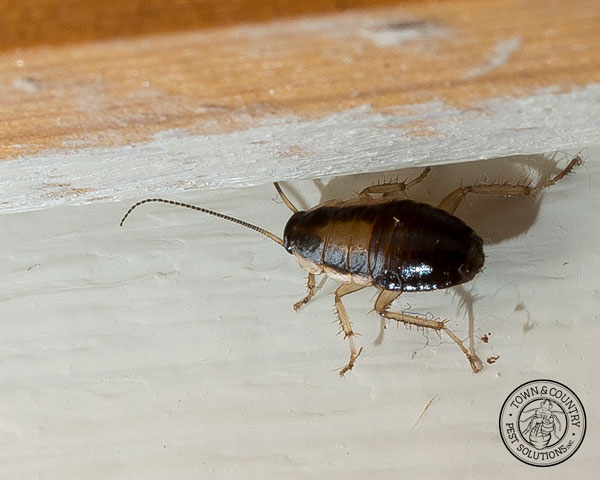
Spotting a cockroach scurrying across your kitchen floor is enough to make anyone’s skin crawl. These resilient pests carry bacteria, trigger allergies, and multiply at an alarming rate. A single female can produce hundreds of offspring in just a few months, turning a minor sighting into a full-blown infestation before you even realize what is happening.
Many homeowners waste time and money on ineffective bug bombs or weak DIY remedies. Cockroaches have evolved to survive harsh conditions and even develop resistance to common over-the-counter pesticides. To reclaim your home, you need a strategic, science-backed approach that targets them at every stage of their life cycle.
This guide provides a proven, step-by-step process to eliminate cockroaches permanently. You will learn how to identify their hiding spots, cut off their life support, and apply the most effective treatments available. By following these methods, you can protect your living space and ensure these unwanted guests never return.
Why Are Cockroaches So Hard to Kill?
Cockroaches are master survivalists. They can live for a week without their heads, hold their breath for up to 40 minutes, and survive for months without food. Their flat bodies allow them to squeeze through microscopic cracks in your walls and foundation.
Most importantly, roaches reproduce incredibly fast. German cockroaches, the most common indoor species, carry their egg cases until right before they hatch. This protects the next generation from surface sprays. If your pest control strategy only kills the adult bugs you see, the hidden eggs will simply replace them a few weeks later. Effective eradication requires disrupting their breeding cycle entirely.
A Step-by-Step Guide to Eliminating Cockroaches
Achieving a roach-free home requires a combination of sanitation, exclusion, and targeted chemical treatments. Follow these steps in order for the highest success rate.
1. Identify the Source and Species
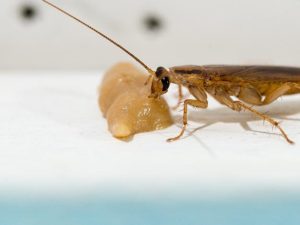
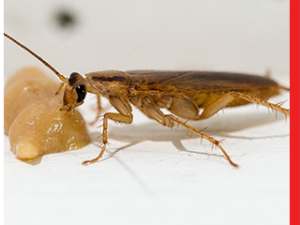
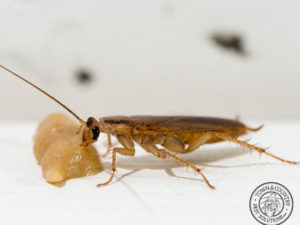
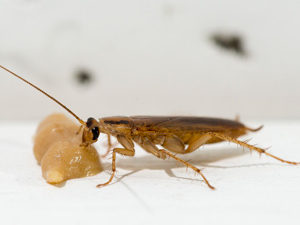
Different cockroaches require different treatment methods. The two most common offenders are German cockroaches and American cockroaches. German roaches are small, light brown, and prefer warm, humid indoor spaces like kitchens and bathrooms. American roaches are larger, reddish-brown, and typically enter from the outside through drains or basements.
Grab a flashlight and inspect dark, secluded areas. Look under the refrigerator, behind the stove, inside cabinets, and around plumbing fixtures. Finding their nesting sites allows you to apply treatments directly where they live.
2. Cut Off Their Food and Water Supply
Cockroaches cannot thrive in a clean, dry environment. Depriving them of sustenance is the most critical step in pest control.
Fix leaky pipes and dripping faucets immediately. Wipe down your sinks every night so no standing water remains. Store all food in airtight glass or thick plastic containers. Take out the trash daily, and vacuum your floors frequently to remove crumbs. Pay special attention to the grease buildup around your stove, as roaches view grease as a high-calorie feast.
3. Seal Up Entry Points
Stop new bugs from entering your home by physically blocking their paths. Grab a tube of silicone caulk and a caulking gun. Walk around your home’s interior and exterior, filling in any gaps.
Seal cracks along baseboards, around window frames, and near electrical outlets. Pay close attention to the spaces where plumbing pipes enter your walls under the kitchen and bathroom sinks. Install door sweeps on all exterior doors to block ground-level entry.
4. Apply Gel Baits
Gel baits are highly effective for indoor roach control. The bait contains a slow-acting insecticide mixed with an attractive food source.
Apply small, pea-sized drops of gel bait near the areas where you spotted roach activity. Place the drops under appliances, inside cabinet hinges, and along the backs of drawers. The roaches eat the bait and return to their nest to die. Because cockroaches are cannibalistic, other roaches will consume the poisoned dead bugs, creating a domino effect that wipes out the entire colony.
5. Use Insect Growth Regulators (IGRs)
Insect Growth Regulators are the secret weapon of professional exterminators. IGRs do not kill adult roaches immediately. Instead, they disrupt the insect’s hormones, preventing young roaches from maturing and reproducing.
IGRs come in liquid sprays or small, discreet stations. Placing IGR stations near your gel bait locations ensures that any surviving bugs become sterile. This breaks the life cycle and prevents future generations from taking over your home.
Natural Roach Repellents: Do They Work?
Many people prefer to start with natural pest control methods. While they are less toxic, they require more patience and persistence than chemical baits.
- Diatomaceous Earth (DE): This fine white powder is made from fossilized algae. When insects walk through it, the powder cuts their exoskeletons, causing them to dehydrate and die. Apply a very thin dusting of food-grade DE along baseboards and behind appliances.
- Baking Soda and Sugar: Mixing equal parts sugar and baking soda creates a cheap, effective bait. The sugar attracts the bugs, and the baking soda reacts with their stomach acids, killing them.
- Essential Oils: Peppermint and eucalyptus oils act as mild deterrents. Mixing a few drops with water and spraying entry points may keep new roaches away, but it will not eliminate an existing infestation.
Frequently Asked Questions About Roach Control
How long does it take to get rid of cockroaches completely?
Depending on the severity of the infestation, it usually takes two to four weeks to see a significant reduction. Total elimination can take a few months, as you must wait for hidden eggs to hatch and the nymphs to consume the bait.
Will a bug bomb fix my roach problem?
Bug bombs, or total release foggers, are generally ineffective against severe cockroach infestations. The mist cannot penetrate deep inside walls and crevices where roaches hide. In fact, foggers can actually push roaches deeper into your home to escape the fumes.
Should I call a professional exterminator?
If you have diligently applied baits, IGRs, and improved sanitation for several weeks without success, it is time to hire a professional. You should also call an exterminator immediately if you live in a multi-unit apartment building, as roaches will constantly migrate between connected units.
Keeping Your Home Pest-Free Permanently
Eliminating an existing roach infestation is a major victory, but the work does not stop there. Maintaining a hostile environment for pests ensures they never set up camp in your kitchen again.
Keep up with your daily cleaning routines, manage moisture levels, and periodically check your caulked entry points. Leave a few fresh bait stations hidden behind major appliances as a preventative measure. By staying vigilant and proactive, you can enjoy a clean, healthy, and completely bug-free home year-round.