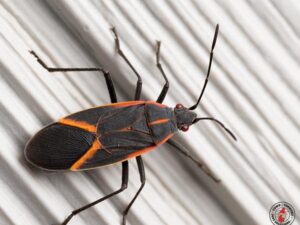
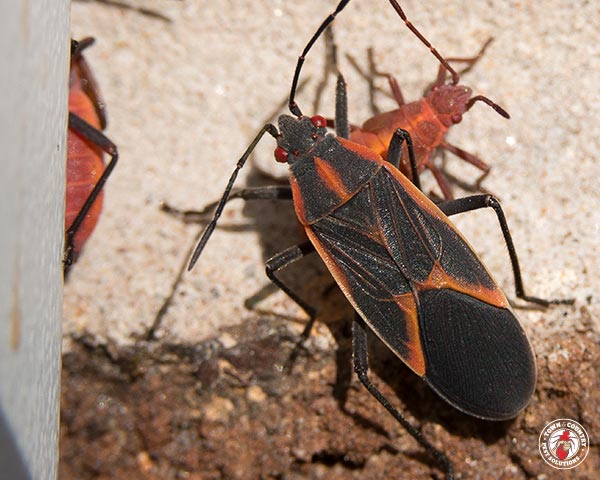
Boxelder bugs might seem harmless, but these red and black insects can quickly become unwelcome houseguests. Every fall, thousands of homeowners discover clusters of these bugs gathering on sunny sides of buildings, seeking warm places to spend winter. While they don’t bite or cause structural damage, their sheer numbers and tendency to stain surfaces make them a significant nuisance.
Understanding how to prevent boxelder bug infestations can save you time, frustration, and potential property damage. These oval-shaped insects leave behind reddish stains when crushed and can emit an unpleasant odor when disturbed. The good news? With the right prevention strategies, you can keep these autumn invaders from making your home their winter retreat.
Understanding Boxelder Bug Behavior
Boxelder bugs follow predictable seasonal patterns that make prevention strategies more effective. These insects spend spring and summer feeding on boxelder trees, maple trees, and ash trees. As temperatures drop in fall, they begin searching for warm, protected spaces to overwinter.
The bugs typically gather in large numbers on south-facing walls and structures where sunlight provides warmth. They squeeze through surprisingly small cracks and crevices, including gaps around windows, doors, and siding. Once inside, they remain relatively inactive until spring warmth triggers their return to outdoor feeding areas.
Most boxelder bug problems occur during two specific times: fall when they’re seeking shelter, and spring when they’re trying to get back outside. Knowing these peak activity periods helps homeowners time their prevention efforts for maximum effectiveness.
Seal Entry Points Around Your Property
The most effective boxelder bug prevention starts with eliminating their access routes. These insects can fit through spaces as small as 1/8 inch, making thorough sealing essential.
Focus your sealing efforts on these common entry points:
Windows and doors require special attention. Check for gaps around frames, damaged weatherstripping, and torn screens. Replace worn weatherstripping with high-quality materials that create tight seals. Install or repair window screens, ensuring they fit snugly without gaps.
Foundation areas often provide multiple access routes. Inspect the foundation perimeter for cracks, gaps around utility penetrations, and spaces where different building materials meet. Use appropriate caulking materials for each situation—silicone-based caulks work well for most exterior applications.
Roof and attic areas need inspection for gaps around vents, chimneys, and where rooflines meet walls. Even small openings can allow dozens of bugs to enter and establish overwintering sites.
Siding and trim should be checked for loose sections, nail holes, and gaps where materials join. Pay particular attention to areas where different siding types meet or where trim boards connect.
Remove Attractant Sources
Boxelder bugs are naturally drawn to specific tree species, particularly female boxelder trees that produce seeds. While removing mature trees isn’t always practical, you can reduce your property’s attractiveness through strategic landscaping choices.
Tree management plays a crucial role in long-term prevention. Female boxelder trees are the primary attractant, as bugs feed on their seeds. If you’re planning landscape changes, consider removing female boxelder trees near your home’s foundation. When planting new trees, choose species that don’t attract these insects.
Moisture control helps reduce bug activity around your property. Eliminate standing water sources like clogged gutters, leaky outdoor faucets, and poor drainage areas. Boxelder bugs need water sources, and reducing available moisture makes your property less appealing.
Debris removal eliminates hiding spots and overwintering sites. Keep areas around your foundation clear of leaf piles, wood stacks, and other debris where bugs might shelter. Trim vegetation away from exterior walls to reduce harborage areas.
Apply Preventive Treatments
Professional pest control treatments provide excellent prevention when timed correctly. The most effective approach involves applying barrier treatments before boxelder bugs begin their fall migration to overwintering sites.
Exterior perimeter treatments create protective barriers that deter bugs from approaching your home. These treatments typically involve applying residual insecticides around the foundation, entry points, and areas where bugs commonly gather. Professional technicians know which products work best and how to apply them safely.
Timing is critical for treatment effectiveness. Applications work best when performed in late summer or early fall, before bug populations begin moving toward structures. Early treatment prevents establishment rather than trying to eliminate bugs after they’ve already found shelter.
Professional expertise ensures treatments are applied correctly and safely. Experienced technicians understand boxelder bug behavior patterns and know where to focus treatment efforts for maximum impact. They also use professional-grade products that provide longer-lasting protection than consumer options.
Natural Deterrent Methods
Several natural approaches can supplement your boxelder bug prevention strategy without relying solely on chemical treatments.
Essential oil barriers may help deter boxelder bugs from treated areas. Some homeowners report success with peppermint oil, eucalyptus oil, and tea tree oil mixtures applied around potential entry points. While scientific evidence is limited, these natural options are safe to try alongside other prevention methods.
Diatomaceous earth can be applied around foundation areas where bugs commonly travel. This natural powder damages insect exoskeletons and may help reduce bug numbers. Use food-grade diatomaceous earth and reapply after rain or watering.
Soap spray solutions made from dish soap and water can be used to treat areas where bugs gather. While not a long-term solution, these sprays can help manage small populations and are safe to use around children and pets.
Maintain Year-Round Prevention
Effective boxelder bug control requires consistent maintenance throughout the year, not just seasonal treatments.
Regular inspections help identify new entry points before they become problems. Walk around your property monthly, looking for new cracks, gaps, or damage that could provide bug access. Address issues promptly to maintain your property’s protective barriers.
Seasonal maintenance keeps prevention measures effective. Spring is an excellent time to repair winter damage and refresh caulking or weatherstripping. Fall preparations should include cleaning gutters, removing debris, and checking that all seals remain intact.
Landscape maintenance supports long-term prevention goals. Regular pruning keeps vegetation away from structures, while proper drainage prevents moisture accumulation that attracts various pests.
When to Call Professional Help
While many prevention strategies can be implemented by homeowners, certain situations benefit from professional intervention.
Large infestations require professional assessment and treatment. If you’re seeing hundreds of boxelder bugs gathering on your property, DIY methods may not provide sufficient control. Professional pest control companies have access to more effective treatment options and application equipment.
Recurring problems suggest underlying issues that need expert diagnosis. If boxelder bugs return year after year despite your prevention efforts, professionals can identify contributing factors you might have missed.
Complex structural issues may require specialized sealing techniques or treatments. Older homes with multiple potential entry points often benefit from professional inspection and comprehensive sealing programs.
Take Action Before Fall Arrives
Successful boxelder bug prevention requires proactive planning and consistent implementation. These autumn invaders are much easier to keep out than to remove once they’ve established overwintering sites inside your home.
Start your prevention program in late summer by sealing entry points and removing attractants around your property. Consider professional treatment applications for comprehensive protection, especially if you’ve experienced boxelder bug problems in previous years.
For expert boxelder bug prevention and comprehensive pest control solutions, contact Town and Country Pest Solutions. Our experienced team understands local pest pressures and can develop customized prevention strategies to keep your home bug-free all season long. Don’t wait until fall arrives—take action now to protect your property from these persistent autumn invaders.