
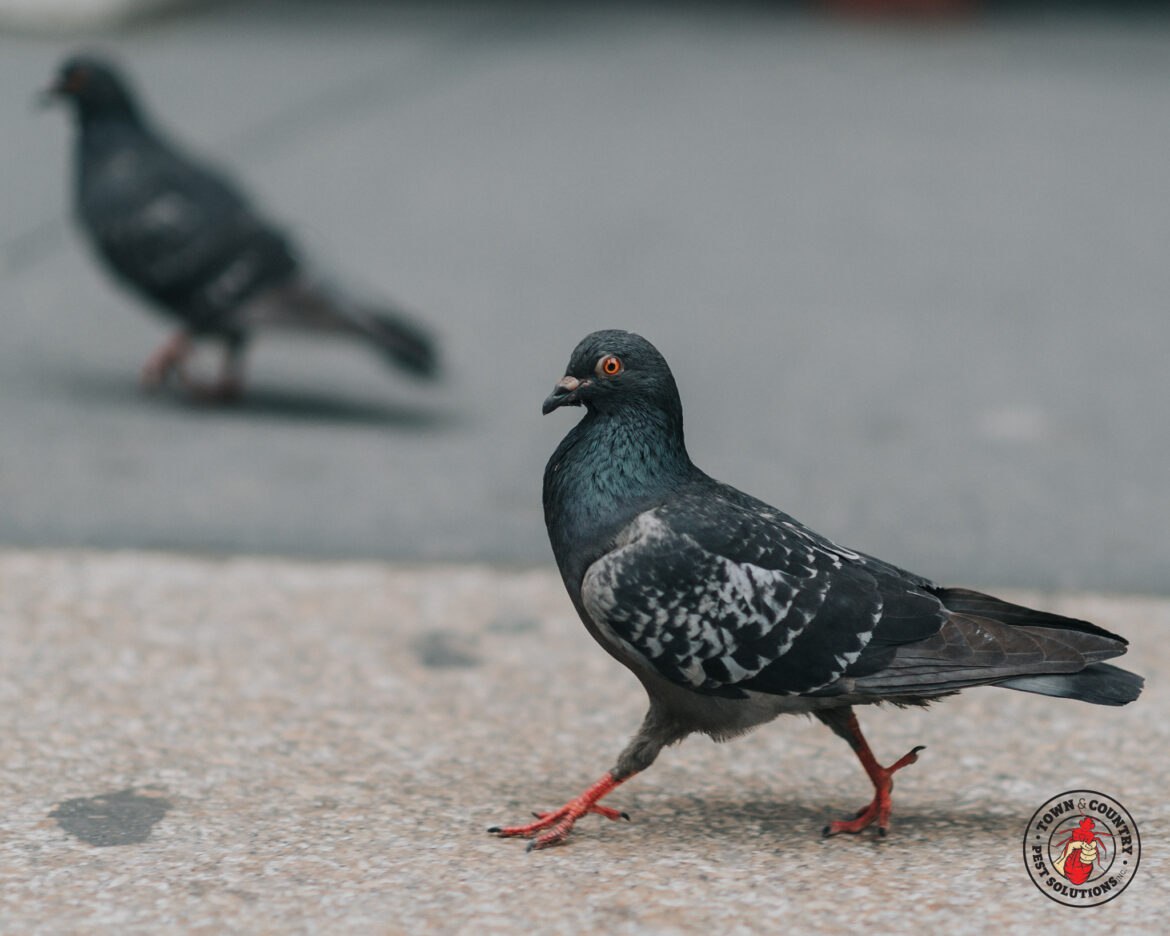
To stop birds from nesting on your property, combine physical deterrents like netting and spikes with habitat changes such as removing food sources and sealing entry points. These humane methods discourage birds from settling without harming them, protecting your roof, gutters, and health while respecting local wildlife.
A few birds chirping in your yard sounds lovely—until they decide your gutters, vents, and roof beams make the perfect spot to raise a family. Once birds settle in, the problems start to add up. Their nests block drainage systems, their droppings corrode building materials, and the debris they leave behind can spread bacteria and parasites.
The good news? You don’t have to harm birds to keep them away. Most nesting issues can be solved with a mix of smart prevention and humane deterrents. This guide walks you through why nesting birds are a problem, the most effective ways to discourage them, and how to do it all while staying on the right side of wildlife protection laws.
By the end, you’ll know exactly which solution fits your situation—whether you’re dealing with pigeons under the eaves or sparrows in the gutters.
Why are nesting birds a problem for homeowners?
Nesting birds may seem harmless, but they can cause real damage over time. Understanding the risks helps explain why prevention matters.
Roof and structural damage. Birds often build nests in gaps, vents, and beneath roof tiles. Their nesting materials can loosen tiles and block airflow, leading to moisture buildup and rot.
Clogged gutters and drainage. Twigs, feathers, and droppings collect in gutters and downpipes. Blocked gutters cause water to overflow, which can damage your walls, foundation, and landscaping.
Health hazards from droppings. Bird droppings aren’t just unsightly. They can carry diseases such as histoplasmosis and salmonella. Dried droppings release spores into the air, posing a risk to anyone nearby.
Fire and electrical risks. Nests built near vents, chimneys, or electrical equipment can become fire hazards. Dry nesting material is highly flammable.
Pests and parasites. Nests attract mites, fleas, and other insects. These pests can move from the nest into your home, creating a secondary problem.
What are the most effective bird deterrents?
The best deterrent depends on the type of bird, the location, and how persistent the problem is. Here are the most reliable options, ranked roughly by how well they work for common nesting spots.
How does bird netting work?
Bird netting is one of the most effective physical barriers available. It creates a complete block, preventing birds from reaching ledges, eaves, balconies, and rooftops.
Netting works best for larger areas where you want to seal off access entirely. Look for UV-stabilized polyethylene netting, which lasts longer outdoors. For most garden birds, a mesh size of around 19mm to 28mm is effective.
Choose netting if you need to protect a large or enclosed area, such as a courtyard, garden produce, or the underside of a roof.
Are bird spikes humane and effective?
Yes—bird spikes are humane and effective when installed correctly. Despite their appearance, they don’t injure birds. Instead, they remove the flat surfaces birds need to land and build nests.
Spikes work well on ledges, window sills, signs, gutters, and beams. They’re available in stainless steel or plastic, with stainless steel lasting longer in harsh weather.
Choose spikes if you’re targeting narrow perching surfaces where birds tend to land and roost.
Do bird repellent gels and sprays work?
Repellent gels create a sticky, uncomfortable surface that birds dislike standing on. They’re useful for ledges and beams where spikes or netting aren’t practical.
The downside is maintenance. Gels collect dust and debris over time and need reapplying every few months. They also work best in milder climates, since extreme heat or cold affects their texture.
Choose gels if you have a small, hard-to-reach surface and don’t mind regular upkeep.
Can visual and sound deterrents keep birds away?
Visual deterrents—reflective tape, predator decoys, and scare balloons—can discourage birds in the short term. Sound deterrents use distress calls or predator noises to create an unwelcoming environment.
The catch is habituation. Birds are smart and often learn that a stationary owl decoy poses no real threat. These tools work best when rotated, moved regularly, or combined with physical barriers.
Choose visual or sound deterrents if you need a quick, low-cost option or want to support more permanent solutions.
How can you modify your property to discourage nesting?
Deterrents stop birds from landing, but habitat modification removes the reasons they came in the first place. This is often the most lasting solution.
Seal entry points. Inspect your roof, eaves, vents, and walls for gaps. Cover vents with mesh and seal openings before nesting season begins. Birds prefer sheltered, enclosed spaces, so closing these off makes your property far less appealing.
Remove food sources. Secure trash cans, clean up fallen fruit, and avoid leaving pet food outside. Fewer food sources mean fewer reasons for birds to settle nearby.
Trim trees and shrubs. Overgrown branches near your home provide perching and nesting spots. Regular pruning reduces shelter and keeps birds at a distance from vulnerable areas.
Clean gutters regularly. Keeping gutters free of debris removes both nesting material and standing water that attracts birds.
Reduce standing water. Birdbaths, clogged drains, and pooling water all invite birds. Eliminating water sources makes your property less hospitable.
When is the best time to deter nesting birds?
Timing matters. The most effective—and legal—time to act is before nesting season begins, typically in late winter or early spring depending on your region.
Once birds have laid eggs, you may be legally restricted from removing the nest. Many countries protect nesting birds under wildlife laws, and disturbing an active nest can carry fines. Acting early lets you install deterrents without running into these legal or ethical issues.
If you discover an active nest, the safest approach is to wait until the birds have fledged and left on their own. Then you can clean the area and install deterrents to prevent them from returning.
Are bird deterrents legal and safe for wildlife?
In most places, humane deterrents like netting, spikes, and habitat modification are completely legal. These methods discourage birds without causing harm, which keeps you compliant with wildlife protection laws.
What’s typically illegal is harming birds, destroying active nests, or trapping protected species. Laws vary by country and region, so check local regulations before taking action—especially if you’re dealing with a protected species.
The guiding principle is simple: prevent birds from settling rather than punishing them once they have. Choose deterrents that block access or remove appeal, and avoid anything that could cause injury.
Protecting your property and the birds
Keeping birds from nesting on your property doesn’t require harsh methods. A combination of physical deterrents—netting and spikes—and thoughtful habitat changes will solve most problems before they start. The key is to act early, choose the right solution for the location, and respect the wildlife laws in your area.
Start with a quick inspection of your roof, gutters, and vents. Identify the spots where birds are most likely to land, then match each problem area to the right deterrent. If you’re facing a persistent infestation or dealing with a protected species, consider calling a licensed pest control or wildlife professional who can help you stay compliant.
A bird-free roofline protects your home, your health, and the local ecosystem—all at once.
Frequently asked questions
What is the cheapest way to keep birds from nesting?
The cheapest options are habitat modifications and visual deterrents. Sealing gaps, removing food sources, and hanging reflective tape cost very little. For lasting results on specific ledges, low-cost plastic spikes are an affordable upgrade.
How long does it take for bird deterrents to work?
Physical barriers like netting and spikes work immediately by blocking access. Visual and sound deterrents may take a few days to show results and need rotating to stay effective. Habitat changes work gradually as birds find your property less appealing.
Is it illegal to remove a bird’s nest?
In many countries, removing an active nest with eggs or chicks is illegal under wildlife protection laws. The safest approach is to install deterrents before nesting season or wait until the birds have left naturally before removing an empty nest.
Do fake owls and predator decoys actually work?
Predator decoys work only in the short term. Birds quickly learn that a stationary decoy poses no threat. To keep them effective, move the decoy regularly or pair it with physical deterrents like spikes or netting.
Which birds are most likely to nest on a property?
Pigeons, sparrows, starlings, and swallows are the most common nesting birds around homes. Pigeons favor ledges and rooftops, while sparrows and starlings squeeze into vents and gaps. Swallows often build mud nests under eaves.