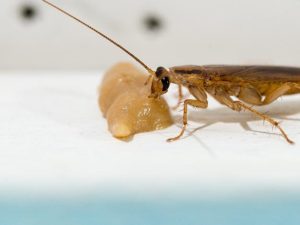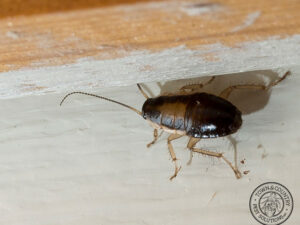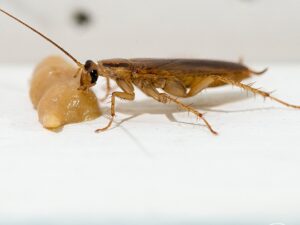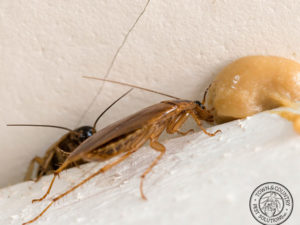
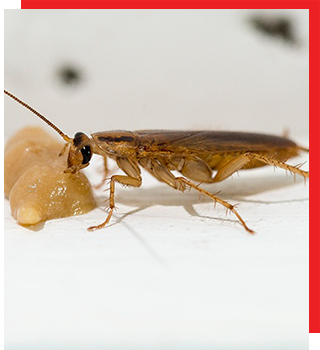
Cockroaches spread over 30 types of bacteria—including Salmonella and E. coli—while their shed skin and droppings trigger asthma and severe allergic reactions. A single infestation poses serious health risks, particularly for children and people with respiratory conditions. Professional pest control is the most effective way to eliminate cockroaches and protect your household’s health.
Spotting a cockroach in your home is unsettling. But the real problem isn’t the insect you see—it’s everything you can’t.
Cockroaches are among the most resilient pests on the planet, and they’re also among the most dangerous from a public health standpoint. They contaminate food surfaces, trigger chronic respiratory problems, and carry pathogens that can cause serious illness in humans. According to the World Health Organization (WHO), cockroaches are confirmed or suspected carriers of organisms that cause diseases such as diarrhea, dysentery, cholera, leprosy, plague, typhoid fever, and viral diseases like poliomyelitis.
Many homeowners respond to an infestation with a can of bug spray and a hope that the problem resolves itself. It rarely does. Cockroaches breed rapidly—a single female German cockroach can produce up to 300 offspring in her lifetime—meaning a small problem can become a serious infestation within weeks.
This post breaks down exactly how cockroaches threaten your health, who faces the greatest risk, and why professional eradication is the most effective long-term solution.
How Do Cockroaches Spread Bacteria Throughout Your Home?
Cockroaches are scavengers by nature. They move between sewers, garbage, decaying matter, and your kitchen countertops without discrimination. Along the way, they pick up and deposit bacteria on virtually every surface they touch.
Research published in the International Journal of Environmental Research and Public Health has identified cockroaches as mechanical vectors of pathogens including:
|
Pathogen |
Associated illness |
|---|---|
|
Salmonella spp. |
Salmonellosis (food poisoning) |
|
Escherichia coli (E. coli) |
Gastrointestinal infections |
|
Staphylococcus aureus |
Skin infections, food poisoning |
|
Klebsiella pneumoniae |
Pneumonia, urinary tract infections |
|
Shigella dysenteriae |
Dysentery |
|
Listeria monocytogenes |
Listeriosis (dangerous in pregnancy) |
Cockroaches transfer bacteria through their legs, bodies, and feces. Because they feed at night and shelter during the day, contamination often occurs without any visible sign. You may find your kitchen surfaces, utensils, and stored food have been exposed before you ever identify the infestation.
What Surfaces Are Most at Risk of Cockroach Contamination?
Food preparation areas carry the highest contamination risk. Cockroaches are drawn to moisture, warmth, and organic matter, which makes sinks, stovetops, and pantry shelving prime targets. Beyond the kitchen, they frequently move through:
- Bathroom drains and pipes — picking up harmful microbes from waste matter
- Behind and beneath appliances — refrigerators, dishwashers, and microwaves provide warmth and crumbs
- Food packaging — cockroaches chew through cardboard and thin plastic to access stored food
- Children’s toys and play areas — particularly soft toys or items left near the floor overnight
Washing surfaces regularly helps, but it doesn’t address the source of contamination. As long as the infestation persists, re-contamination continues.
Can Cockroaches Trigger Asthma and Allergies?
Yes—and this is one of the most underrecognized health risks associated with cockroach infestations. The connection between cockroaches and respiratory illness is well-documented and particularly significant for children.
Cockroach allergens come from their saliva, fecal matter, and shed exoskeletons (called “frass”). As these particles dry and break down, they become airborne and can be inhaled. Over time, repeated exposure sensitizes the immune system, leading to allergic reactions and, in susceptible individuals, asthma.
According to the Asthma and Allergy Foundation of America (AAFA):
- Cockroach allergens are one of the most common indoor triggers of asthma
- Children living in high-infested homes are three to four times more likely to be hospitalized for asthma than those in low-infested homes
- Cockroach allergen sensitivity affects an estimated 17–41% of the general population in urban areas
Who Is Most Vulnerable to Cockroach Allergens?
While cockroach allergens affect anyone in an infested home, certain groups face significantly greater risk:
|
Group |
Why they’re at higher risk |
|---|---|
|
Children under 12 |
Developing immune and respiratory systems; more time spent on floors |
|
Elderly adults |
Weakened immune response; higher baseline respiratory conditions |
|
People with asthma |
Allergens directly trigger or worsen asthma attacks |
|
Those with existing allergies |
Cross-sensitization increases reaction severity |
|
Immunocompromised individuals |
Greater susceptibility to bacterial infections from contamination |
For these groups, a cockroach infestation can shift from an inconvenience to a genuine medical emergency.
What Diseases Can a Cockroach Infestation Cause?
Beyond bacterial spread and allergic reactions, cockroach infestations have been linked to a broader range of illnesses. Understanding these conditions helps frame why quick, thorough elimination matters.
Gastroenteritis and Food-Borne Illness
Gastroenteritis—inflammation of the stomach and intestines—is commonly triggered by the Salmonella and E. coli strains cockroaches carry. Symptoms include nausea, vomiting, abdominal cramps, and diarrhea. In healthy adults, these cases are unpleasant but manageable. In children, the elderly, or immunocompromised individuals, they can become severe.
Typhoid Fever
Cockroaches have been documented as carriers of Salmonella typhi, the bacterium responsible for typhoid fever. While typhoid is more prevalent in regions with limited sanitation infrastructure, domestic infestations still represent a transmission risk—particularly when pest activity goes unchecked over extended periods.
Dysentery
Shigella dysenteriae, transmitted by cockroaches through fecal contamination, causes dysentery—a painful condition marked by severe diarrhea, often with blood or mucus. Like other gastrointestinal diseases linked to cockroach activity, it poses the greatest danger to young children and elderly adults.
Respiratory Infections
Beyond allergen-induced asthma, bacteria carried by cockroaches—including Klebsiella pneumoniae—can cause pneumonia and other lower respiratory infections when inhaled or ingested on contaminated surfaces.
Why DIY Pest Control Often Falls Short
Hardware store sprays and traps can reduce visible cockroach activity temporarily. The underlying infestation is a different matter.
Cockroaches are photophobic—they avoid light—and spend the majority of their time hidden in wall cavities, under floorboards, behind appliances, and inside furniture. Consumer-grade insecticides rarely penetrate these harbourage sites effectively. Gel baits require precise placement and knowledge of cockroach movement patterns to work correctly.
There’s also the issue of resistance. German cockroaches (Blattella germanica), the most common domestic species, have demonstrated resistance to multiple classes of insecticides over repeated generations. A 2019 study published in Scientific Reports found that German cockroaches in the United States were resistant to multiple classes of insecticides simultaneously, with some populations showing cross-resistance that made chemical control alone essentially ineffective.
Professional pest control operators use a combination of techniques—including targeted insecticide application, heat treatment, exclusion sealing, and monitoring—to eliminate infestations at the source and prevent recurrence.
How to Reduce Health Risks While Awaiting Professional Treatment
If you’ve identified an infestation and are waiting for professional pest control, several steps can help limit your household’s exposure to health risks in the interim:
- Store all food in sealed, airtight containers — cockroaches can chew through cardboard and thin plastic packaging
- Wipe down benches and cooking surfaces with disinfectant daily — focus on areas near sinks, stovetops, and appliances
- Fix leaking taps and pipes promptly — cockroaches require moisture to survive; eliminating water sources limits their activity
- Vacuum carpets and floors regularly — this removes allergen particles from frass and shed exoskeletons
- Seal cracks and gaps around pipes, baseboards, and cabinetry — reduce access points between rooms and wall cavities
- Wash bedding and curtains frequently — allergen particles settle on soft furnishings and exacerbate respiratory symptoms
These measures don’t replace professional eradication. They reduce your household’s exposure while a lasting solution is arranged.
Making the Case for Professional Cockroach Eradication
Framing cockroach control as a cosmetic or comfort issue misses the point. The evidence is clear: cockroach infestations create quantifiable health risks for everyone in the household, with disproportionate impact on children and vulnerable individuals.
Professional eradication eliminates the infestation at its source rather than managing surface-level activity. Licensed pest control operators conduct thorough inspections to locate harbourage sites, apply treatments calibrated to the specific cockroach species present, and provide follow-up monitoring to confirm the infestation is fully resolved.
The cost of professional pest control is modest compared to the potential medical costs and quality-of-life impact of prolonged exposure to cockroach allergens and bacteria. Treating a cockroach-related asthma flare-up, for example, carries far greater financial and personal cost than eradicating the source of the trigger.
Protect Your Home, Protect Your Health
Cockroaches are more than a nuisance. They are active vectors of bacterial contamination, triggers of chronic respiratory illness, and carriers of pathogens linked to serious disease. A home with a cockroach infestation is a home with a health problem—and the longer it goes unaddressed, the greater the risk.
The path forward is straightforward: identify the infestation, take immediate steps to limit exposure, and engage a licensed pest control professional to eliminate it completely. This isn’t a decision about cleanliness or aesthetics. It’s a decision about the health of everyone who lives in your home.
Frequently Asked Questions
How quickly can cockroaches contaminate food in a kitchen?
Contamination can occur within a single night. Cockroaches are nocturnal and forage actively after dark. A single cockroach crossing a food preparation surface or entering unsealed food packaging deposits bacteria from its legs and body on contact. There’s no minimum exposure period for contamination to occur.
Can cockroach allergens remain in a home after the infestation is eliminated?
Yes. Cockroach allergen particles from fecal matter and shed exoskeletons can remain in carpets, furniture, and soft furnishings for months after the infestation itself is resolved. Thorough cleaning—including vacuuming with a HEPA filter, washing soft furnishings, and wiping all hard surfaces—is recommended following professional treatment.
How do I know if my asthma is being triggered by cockroach allergens?
If asthma symptoms worsen consistently at home—particularly at night or in the kitchen—cockroach allergens may be a factor. An allergist can perform specific allergen testing to confirm cockroach sensitivity. The Asthma and Allergy Foundation of America recommends testing for cockroach allergen sensitivity in urban households where persistent asthma symptoms don’t respond well to standard treatment.
Are some cockroach species more dangerous than others from a health perspective?
German cockroaches (Blattella germanica) are the most commonly implicated species in domestic health risks. They are small, breed rapidly, and are strongly associated with allergen production and bacterial transmission in residential settings. American cockroaches (Periplaneta americana) are larger and typically found in sewers and drains, also carrying pathogens but generally less prevalent inside living areas.
How often should I have my home inspected for cockroaches?
Annual professional inspections are recommended for homes in urban areas or regions with warm, humid climates—conditions that favor cockroach activity. Homes with a prior infestation history benefit from bi-annual inspections. Between professional visits, monitor for early signs: droppings (small, dark, cylindrical pellets), a musty odor, and shed exoskeletons in dark or damp areas.
Is professional pest control safe for children and pets?
Licensed pest control operators use products and application methods calibrated for indoor residential use. Professionals typically advise vacating treated areas for a specific period following application, then provide clearance guidelines before re-entry. Always disclose the presence of children, pets, and individuals with respiratory conditions to your pest control provider before treatment begins.