Quick answer: Scratching, scurrying, or gnawing sounds in your walls at night are usually caused by mice, rats, squirrels, or raccoons seeking warmth and shelter. The sound’s timing, rhythm, and location can help identify the culprit — rodents tend to scurry quickly, while larger animals like raccoons create heavier, slower thumps. Identifying the sound early helps prevent structural damage and costly repairs.
You’re lying in bed, the house is quiet, and then you hear it: a faint scratching sound coming from somewhere inside the wall. It stops. Then starts again. Your mind immediately jumps to the worst-case scenario — an entire colony of rodents throwing a party behind your drywall.
The truth is, strange nighttime noises in walls are more common than most homeowners realize, especially as temperatures drop and small animals look for a warm place to nest. Identifying what’s making the noise is the first step toward solving the problem before it turns into an expensive repair job.
This guide breaks down the most common culprits behind wall noises, how to tell them apart by sound alone, and what steps you can take once you’ve narrowed down the suspect.
What animals commonly live inside walls?
Several small animals are known to nest inside wall cavities, attics, and crawl spaces because these areas offer warmth, darkness, and protection from predators. The most frequent offenders include:
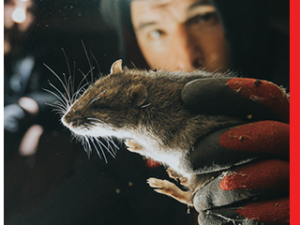
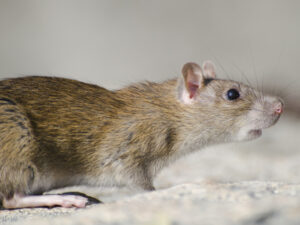
- House mice: Small, lightweight, and fast-moving, mice are among the most common wall invaders in both urban and rural homes.
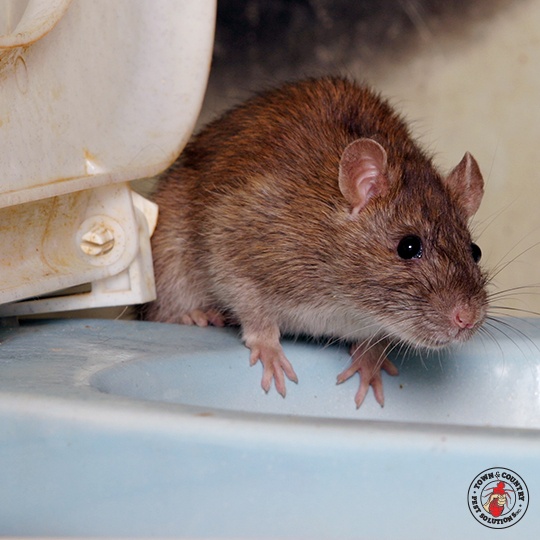
- Rats: Larger and heavier than mice, rats produce louder, more deliberate sounds.
- Squirrels: Often enter through roof gaps or vents, squirrels are especially active at dawn and dusk.
- Raccoons: Larger and stronger, raccoons tend to nest in attics rather than wall cavities, but their movement can still be heard through shared wall spaces.
- Bats: Instead of scratching, bats typically produce soft fluttering or squeaking sounds, usually near the roofline.
- Insects (termites, carpenter ants): These produce faint clicking or rustling sounds rather than scurrying, caused by chewing through wood.
How can you tell which animal is making the noise?
The type of sound, its timing, and its location within the wall all offer clues about which animal has moved in. Use the table below as a quick reference guide.
|
Sound Type |
Likely Animal |
Typical Timing |
Additional Clues |
|---|---|---|---|
|
Quick scurrying or light scratching |
Mice |
Nighttime |
Sounds move quickly along wall voids |
|
Heavier scratching or gnawing |
Rats |
Nighttime |
Often accompanied by gnawing on wood or wiring |
|
Thumping or rolling sounds |
Squirrels |
Dawn and dusk |
Sounds often originate near the roofline or attic |
|
Loud thumping, growling |
Raccoons |
Night |
Found mostly in attics, occasional chirping from young |
|
Soft fluttering or high-pitched squeaks |
Bats |
Dusk and dawn |
Sounds concentrated near rooflines or vents |
|
Faint clicking or rustling |
Termites or carpenter ants |
Any time, often constant |
No movement sound, just consistent chewing noise |
Why do these animals choose to nest inside walls?
Wall cavities offer the kind of environment small animals are naturally drawn to: insulation, darkness, and protection from larger predators. During colder months, rodents and other pests actively search for warm, enclosed spaces to build nests and store food. A home’s walls, attic, and crawl spaces check every box on their list.
Small gaps around utility lines, vents, rooflines, and foundations are often enough for mice or squirrels to squeeze through. Once inside, they can travel through wall voids largely undetected until their movement or gnawing becomes audible.
What should you do if you hear noises in your walls?
If you’ve identified a likely pest based on the sound patterns above, the next step is confirming their presence and addressing the issue safely.
Inspect for entry points. Walk the exterior of your home and look for gaps around the foundation, roofline, vents, and utility openings. Even a gap the size of a quarter is enough for a mouse to enter.
Look for physical evidence. Droppings, gnaw marks, grease trails along baseboards, or shredded insulation are strong indicators of rodent activity.
Avoid DIY removal for larger animals. While a mouse trap might be appropriate for small rodents, raccoons and squirrels can be aggressive, especially if nesting with young. In these cases, contacting a licensed wildlife removal professional is the safer option.
Seal and sanitize after removal. Once the animal has been removed, seal entry points with durable materials like steel wool or metal flashing, and clean affected areas to prevent future infestations and reduce health risks.
When should you call a professional exterminator or wildlife removal expert?
Choose a professional service if you notice signs of a larger infestation, such as persistent noise across multiple rooms, visible droppings in several locations, or damage to wiring and insulation. Choose a DIY approach only if the noise is isolated, you’re confident it’s a single small rodent, and you’re using humane, store-bought traps designed for that species.
Attempting to remove raccoons, bats, or large rodent nests without professional help can be dangerous. Wildlife can carry diseases, and disturbing a nest with young animals can trigger defensive behavior.
Listen Closely, Act Quickly
Nighttime noises in your walls are rarely random. Once you learn to recognize the differences between scurrying, scratching, thumping, and gnawing, you’re in a much better position to identify the source and take appropriate action.
Left unaddressed, these unwanted guests can cause real damage to insulation, wiring, and structural wood. The sooner you investigate, the easier — and cheaper — the fix. If the noises persist or you’re unsure what you’re dealing with, reach out to a licensed pest control or wildlife removal expert who can confirm the culprit and handle removal safely.
Frequently Asked Questions
How much does it cost to remove animals from walls?
Costs vary widely depending on the animal and extent of the infestation, typically ranging from $150 for a basic rodent trapping service to over $1,000 for larger wildlife removal involving raccoons or extensive nest cleanup.
How long does it take to get rid of noises in the walls?
Mice and rats can often be trapped within a few days to a week using proper bait placement. Larger animals like raccoons may take longer, since removal often involves locating and relocating an entire nest.
Can mice in walls go away on their own?
Mice rarely leave on their own once they’ve found a reliable food and shelter source. Without intervention, a small infestation can grow quickly, since mice reproduce frequently.
Is it dangerous to have animals living in your walls?
Yes. Rodents can chew through electrical wiring, creating fire hazards, while their droppings can spread diseases like hantavirus. Bats and raccoons can also carry rabies, so direct contact should always be avoided.
What’s the difference between rodent and insect noises in walls?
Rodents create scurrying, scratching, or gnawing sounds tied to movement, while insects like termites produce a more constant, faint clicking or rustling sound caused by chewing through wood rather than moving around.