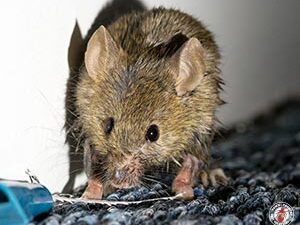

Quick answer: Rodents move indoors in the fall because dropping temperatures reduce outdoor food sources and threaten their survival. Mice and rats seek warmth, shelter, and consistent access to food once the weather cools, making homes and buildings attractive alternatives to the exposed outdoors. Fall is also the ideal window for sealing entry points and scheduling professional pest control before infestations take hold.
Cooler air does more than signal the end of summer. For rodents, it’s a biological alarm telling them that survival outside is about to get a lot harder. As temperatures drop, mice, rats, and other small mammals begin searching for warmer, safer places to nest, and your home may look like the perfect candidate.
Understanding this seasonal shift helps explain why so many homeowners suddenly notice droppings, scratching noises, or chewed wiring right as the leaves start to turn. It also explains why pest control companies see a spike in service calls every autumn. This post breaks down what drives rodents indoors in the fall, what signs to watch for, and why timing your prevention efforts correctly makes all the difference.
What Causes Rodents to Move Indoors in the Fall?
Rodents are driven indoors by three connected pressures: temperature, food scarcity, and reproduction cycles.
- Temperature drops reduce survival odds. Mice and rats are small, with limited body fat to insulate them against cold. Once outdoor temperatures fall consistently below a comfortable range, staying outside becomes a serious energy drain.
- Natural food sources dwindle. Many of the seeds, insects, and plants that sustain rodents through spring and summer die back or become buried under frost and leaf litter, pushing rodents to search for alternative food supplies.
- Shelter needs intensify before winter. Rodents instinctively prepare for colder months by seeking out enclosed, insulated spaces, like wall voids, attics, or basements, where they can nest and store food.
Mice and rats don’t wait until the first snowfall. Most start scouting new shelter as soon as nighttime temperatures begin dropping in early autumn, which is why fall rodent activity often starts weeks before anyone notices actual signs of infestation.
How Do Rodents Get Into Homes During the Fall?
Rodents are opportunistic and require surprisingly little space to gain entry. A mouse can squeeze through an opening about the size of a dime, while a rat can fit through a gap roughly the size of a quarter.
Common entry points include:
|
Entry Point |
Why It’s Vulnerable |
|---|---|
|
Gaps around utility pipes |
Often left unsealed after installation |
|
Foundation cracks |
Widen over time due to settling or weather |
|
Door and window gaps |
Weatherstripping wears down, creating small openings |
|
Vents and chimneys |
Provide direct access without visible damage |
|
Roofline and soffit gaps |
Frequently overlooked during inspections |
Once inside, rodents gravitate toward quiet, low-traffic areas, such as attics, crawl spaces, and wall cavities, where they can nest undisturbed and remain close to insulation they can use for bedding.
What Are the Early Signs of a Fall Rodent Problem?
Catching a rodent issue early makes prevention and removal far more manageable. Homeowners should watch for:
- Droppings near food storage areas, baseboards, or cabinets
- Gnaw marks on wood, wiring, or packaging
- Scratching sounds within walls or ceilings, especially at night
- A musty, ammonia-like odor in enclosed spaces
- Nesting materials, like shredded paper or fabric, tucked into hidden corners
These signs tend to appear gradually, which is part of what makes fall infestations tricky. A single mouse sighting in October can indicate a nest already forming before winter fully arrives.
When Is the Best Time to Start Rodent Prevention?
Early fall, before the first hard frost, is the ideal window for rodent prevention. Acting early gives homeowners a head start before rodents establish nests indoors, and it allows time to seal vulnerable entry points before colder weather makes outdoor repairs more difficult.
Choose proactive prevention in early fall if you want to avoid dealing with an active infestation mid-winter, when cold weather limits exterior repair work and rodents are already settled indoors.
Effective prevention generally includes:
- Inspecting the exterior for cracks, gaps, and deteriorating seals around utility lines.
- Trimming vegetation away from the foundation, since overgrown shrubs and tree branches can act as bridges to rooflines.
- Storing firewood away from the home’s exterior to avoid creating a convenient shelter near entry points.
- Securing food sources, including pet food and bird seed, in sealed containers.
- Scheduling a professional inspection to identify vulnerabilities that aren’t visible from a simple walk-around.
Why Is Professional Pest Control the Safest Option?
DIY traps and store-bought repellents can reduce visible rodent activity, but they rarely address the root cause of an infestation. Professional pest control technicians are trained to identify nesting sites, trace entry points, and apply treatment methods suited to the specific rodent species involved.
Choose professional pest control if you’re dealing with signs of an active infestation, have a larger property with multiple potential entry points, or want a long-term exclusion plan rather than a temporary fix. Choose DIY prevention methods, like sealing minor gaps or storing food properly, if you’re taking early precautionary steps before any signs of rodent activity appear.
Licensed pest control providers also have access to treatment options and monitoring tools that aren’t available to consumers, along with the experience to safely handle removal without property damage or health risks associated with rodent droppings and nesting materials.
Keeping Rodents Out This Fall
Fall’s cooling temperatures will always push rodents to search for warmer shelter, and homes will always offer the kind of insulated, food-adjacent environment they’re looking for. The difference between a minor nuisance and a full-blown infestation often comes down to timing.
Sealing entry points early, removing outdoor attractants, and scheduling a professional inspection before the weather turns gives you the best chance of keeping rodents outside where they belong. If you’ve already noticed droppings, gnaw marks, or scratching sounds, don’t wait for the problem to grow. Contact a licensed pest control provider to assess your home and put a prevention plan in place before winter sets in.
Frequently Asked Questions
Why do rodents suddenly appear in homes during the fall?
Rodents appear indoors in the fall because outdoor temperatures drop and natural food sources become scarce, pushing them to seek warmth and shelter inside buildings.
How much does professional rodent control typically cost?
Costs vary widely based on the size of the infestation, the property’s square footage, and the extent of exclusion work needed. Most providers offer a free inspection and quote before starting treatment.
Can I handle a rodent problem myself without calling a professional?
Minor prevention steps, like sealing small gaps or securing food storage, can be done independently. However, active infestations typically require professional-grade equipment and expertise to fully resolve.
What risks do rodents pose beyond property damage?
Rodents can chew through electrical wiring, creating fire hazards, and their droppings can spread bacteria and allergens that affect indoor air quality.
Are there alternatives to chemical rodenticides?
Yes. Exclusion methods, like sealing entry points and removing food sources, combined with mechanical traps, offer a non-chemical approach that many pest control companies now prioritize.