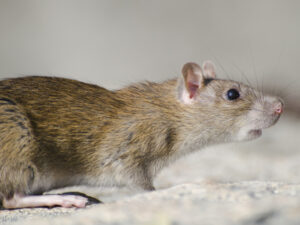

Quick answer: Ignoring a rodent problem rarely saves money. Left unchecked, mice and rats damage wiring, insulation, and structural materials, contaminate food and surfaces, and multiply quickly, turning a small infestation into a costly repair and health hazard. Early intervention through inspection, exclusion, and professional pest control is almost always cheaper than the cleanup and repairs that follow a full-blown infestation.
A single mouse scurrying across your kitchen floor can feel like a minor nuisance — something to deal with “eventually.” But rodents don’t wait for a convenient time to become a bigger problem. They breed fast, chew constantly, and spread bacteria wherever they go. What starts as one uninvited guest can, within weeks, become a colony living in your walls, attic, or crawl space.
Homeowners and business owners who delay action often assume the cost of pest control outweighs the inconvenience of a few mice. In reality, the opposite is usually true. The longer a rodent problem goes unaddressed, the more expensive and disruptive it becomes to fix. This post breaks down exactly what’s at stake — financially, structurally, and health-wise — when a rodent problem is left untreated, and what steps can help you avoid the worst of it.
Why do rodent problems get worse so quickly?
Rodents reproduce at a pace that catches most people off guard. Mice and rats are capable of producing multiple litters per year, with each litter containing several offspring. Because of this reproductive speed, a problem that seems small — a dropping here, a scratching sound there — can escalate into a full infestation in a matter of weeks.
Rodents are also highly adaptable. They squeeze through gaps far smaller than their body size, nest in insulation, wall voids, and stored boxes, and forage for food at night while residents sleep. This makes early detection difficult, which is exactly why the damage often accumulates before anyone notices.
What does rodent damage actually cost homeowners?
The financial impact of a rodent infestation isn’t limited to pest control service fees. It extends into home repairs, replacement materials, and sometimes insurance complications.
|
Damage Type |
What Happens |
Potential Cost Impact |
|---|---|---|
|
Electrical wiring |
Rodents gnaw on wires for teeth maintenance, which can expose live wiring |
Rewiring costs, increased fire risk |
|
Insulation |
Nesting and urine contamination reduce insulation effectiveness |
Higher energy bills, insulation replacement |
|
Structural wood |
Gnawing weakens beams, joists, and framing over time |
Costly structural repairs |
|
HVAC systems |
Rodents nest in ductwork, restricting airflow and spreading odors |
Duct cleaning or replacement |
|
Food storage |
Contamination requires discarding affected food and packaging |
Repeated grocery loss |
|
Insulation and drywall |
Chewed openings require patching and resealing |
Repair and pest-proofing labor |
Choose professional exclusion and sealing services if you’re noticing early signs like droppings or gnaw marks — this is typically far less expensive than waiting until wiring or structural damage requires repair.
Can rodents actually start house fires?
Yes. Rodents’ teeth grow continuously, so they gnaw on hard materials — including electrical wiring — to keep them worn down. When they chew through the insulation on live wires, it can create exposed connections capable of sparking a fire. Because this damage often happens inside walls or attics, it can go unnoticed until it causes a serious problem. Electrical fires linked to rodent damage are a recognized risk cited by pest control and home insurance industry sources, making early intervention a safety issue as much as a financial one.
What health risks come with an untreated rodent infestation?
Rodents carry bacteria, parasites, and pathogens that can spread through droppings, urine, saliva, and nesting materials. Health risks associated with rodent infestations include:
- Respiratory issues: Airborne particles from dried droppings and dander can trigger allergies and asthma symptoms, particularly in children and sensitive individuals.
- Disease transmission: Rodents are known carriers of illnesses such as hantavirus, salmonella, and leptospirosis, which can spread through contaminated food, surfaces, or direct contact.
- Secondary pest infestations: Fleas, mites, and ticks that live on rodents can transfer to pets and humans, compounding the health risk.
- Food contamination: Rodents contaminate pantry items and food prep surfaces, often requiring homeowners to discard larger quantities of food than expected.
These risks tend to grow the longer rodents remain undetected, since nesting sites expand and droppings accumulate in hard-to-reach areas like attics and wall cavities.
How much does professional rodent control cost compared to repairs?
Pest control costs vary based on the severity of the infestation, the type of property, and the extent of exclusion work needed. However, the general pattern holds across the industry: early inspection and treatment cost significantly less than post-infestation repairs.
Choose early professional treatment if you want to avoid compounding costs — a single inspection and sealing service is almost always cheaper than replacing insulation, rewiring damaged circuits, or repairing structural wood. Choose a wait-and-see approach only if you’re certain there’s no active infestation, since even a brief delay allows rodent populations to grow.
What are the warning signs of a rodent infestation?
Catching a rodent problem early depends on recognizing the signs before damage accumulates. Common indicators include:
- Droppings near food storage, cabinets, or along baseboards
- Gnaw marks on wood, wiring, or food packaging
- Greasy rub marks along walls where rodents travel repeatedly
- Scratching or scurrying sounds, especially at night
- A persistent musky odor in enclosed spaces like attics or basements
- Nesting materials made of shredded paper, fabric, or insulation
Spotting any of these signs should prompt a prompt inspection rather than a wait-and-see approach.
What should you do if you suspect a rodent problem?
- Inspect common entry points. Check around pipes, vents, foundation gaps, and the roofline for openings larger than a quarter-inch.
- Document the signs. Note where droppings, gnaw marks, or sounds are concentrated to help a pest control professional target the source.
- Avoid DIY traps as a sole solution. Traps can reduce visible activity without addressing the full colony or the entry points allowing new rodents in.
- Schedule a professional inspection. A pest control provider can identify nesting locations, assess structural risk, and recommend an exclusion plan.
- Seal and monitor. After treatment, sealing entry points and monitoring for new activity helps prevent recurrence.
Taking Action Before the Damage Adds Up
A rodent problem rarely stays small. What begins as a single sighting can quickly turn into chewed wiring, contaminated food, and a health risk for everyone in the building. The cost of ignoring the problem isn’t just financial — it’s structural, and in some cases, it’s a genuine fire and health hazard.
The good news is that early action changes the outcome. Recognizing the warning signs, sealing entry points, and scheduling a professional inspection at the first sign of activity can prevent the cascade of damage that comes with a full infestation. If you’ve noticed droppings, gnaw marks, or unexplained noises in your walls, don’t wait for the problem to grow — the cost of acting now is almost always lower than the cost of cleaning up later.
Frequently Asked Questions
How quickly can a rodent infestation grow out of control?
Because mice and rats reproduce rapidly and mature quickly, an infestation can go from a few individuals to a sizable colony within a matter of weeks if left untreated.
Is it safe to handle a rodent infestation myself?
Minor sightings can sometimes be managed with traps and sealing visible gaps, but established infestations often require professional treatment to locate nests, address structural entry points, and manage health risks from droppings and contamination.
Do rodents really cause house fires?
Yes. Rodents gnaw on electrical wiring to wear down their teeth, which can expose live wires and create a fire hazard, especially when the damage occurs inside walls or attics where it’s hard to detect.
What’s the biggest health risk from a rodent infestation?
Airborne particles from droppings and urine can trigger respiratory issues, while direct contact or contaminated food can spread diseases like salmonella and hantavirus.
Is professional pest control more expensive than fixing rodent damage later?
No. Professional inspection and exclusion services are generally far less costly than repairing chewed wiring, damaged insulation, or structural wood after an infestation has taken hold.