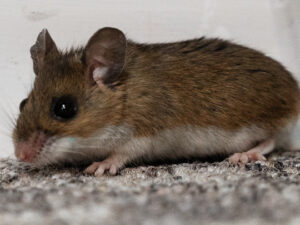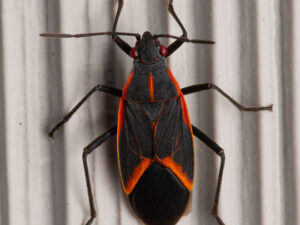
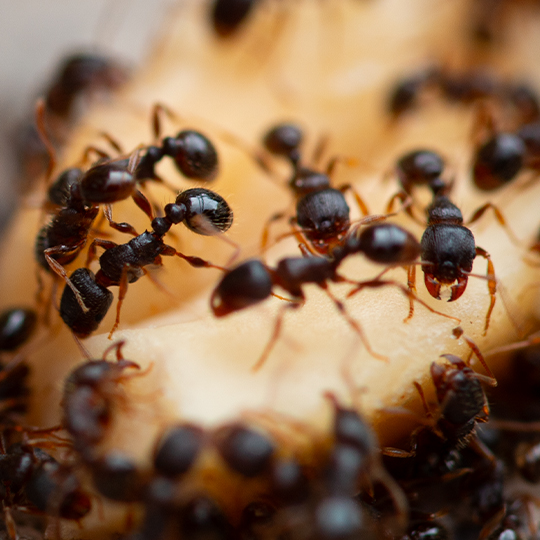
DIY pest control is best for minor, isolated insect issues, offering low upfront costs. Professional pest control provides long-term, comprehensive solutions for severe or recurring infestations. Licensed exterminators target hidden nests and apply commercial-grade treatments that protect your property permanently and safely.
Homeowners often face a familiar dilemma when they spot a trail of ants or hear scratching in the walls. The immediate reaction is typically to grab a chemical spray or trap from the local hardware store. This approach appears fast and inexpensive, but dealing with household pests rarely concludes after a single chemical application.
Pest management requires understanding the complex behavior and breeding cycles of insects and rodents. While over-the-counter repellents provide temporary relief by killing visible bugs, they rarely penetrate deep enough to address the underlying nest or colony. Homeowners must constantly evaluate the immediate convenience of a hardware store purchase against the comprehensive protection offered by licensed exterminators.
Understanding the specific differences in cost, overall effectiveness, and long-term results will help you protect your property and your family’s health. This guide directly compares do-it-yourself treatments with professional pest control services so you can make a highly informed decision for your home.
How much does DIY pest control cost compared to professional services?
The financial investment required for pest management varies significantly depending on the method you choose. Store-bought products clearly win the upfront cost comparison. A can of bug spray or a pack of mouse traps generally runs between $15 and $50. For a homeowner dealing with a single stray spider or a seasonal fruit fly issue, this low-cost investment makes perfect sense.
However, professional pest control services require a larger initial financial commitment. An initial inspection and treatment from a licensed exterminator typically costs between $150 and $300, depending on the size of the property and the severity of the infestation.
When deciding between the two, choose DIY pest control if you are managing a minor, highly visible problem. Choose professional pest control services if pests consistently return after a few weeks. Repeatedly purchasing consumer-grade sprays adds up quickly, and allowing wood-destroying insects like termites to remain untreated will eventually lead to thousands of dollars in structural home repairs.
Which pest control method is more effective for severe infestations?
Hardware store chemicals are designed for general use by the general public. Because safety regulations limit the potency of consumer products, DIY sprays primarily act as contact killers. They eliminate the ants or roaches currently walking across the kitchen counter. Unfortunately, contact killers fail to reach the thousands of insects multiplying inside the wall voids.
Professional pest control services utilize commercial-grade formulas and targeted application techniques. Exterminators undergo rigorous training to accurately identify exact insect species. Identifying the precise species allows the technician to select the exact bait that worker insects will carry back to the queen. Furthermore, professional technicians have access to specialized equipment, such as thermal imaging cameras and commercial dusters, allowing them to locate and eradicate hidden nests that a homeowner would never find.
What delivers better long-term results for protecting your home?
The true measure of successful pest management is how long the property remains completely pest-free. DIY approaches are inherently reactive. A homeowner sees a bug, sprays the bug, and waits until the next bug appears. This cycle guarantees that the property remains vulnerable to future invasions.
Professional pest control focuses heavily on preventative maintenance. Licensed technicians do not simply spray chemicals; they perform comprehensive exclusion work. Exterminators will seal foundation cracks, install specialized door sweeps, and identify moisture issues that attract insects in the first place. By creating a continuous preventative barrier around the perimeter of the house, professional services stop pests from ever entering the living space.
Securing a Pest-Free Future for Your Home
Attempting to handle a serious pest infestation alone often leads to frustration, wasted money, and unnecessary exposure to harsh chemicals. While a bottle of store-bought repellent works for a minor nuisance, protecting your home’s structural integrity requires specialized knowledge and powerful treatments.
If you notice recurring pest activity, unexplained property damage, or signs of nesting, immediately stop relying on temporary fixes. Contact a locally licensed professional pest control company to schedule a comprehensive home inspection. A trained exterminator will identify the root cause of the infestation and build a customized treatment plan to secure your property for good.
Frequently Asked Questions about Pest Control Options
Are DIY pest control sprays safe for pets and children?
Most over-the-counter pest control sprays contain toxic chemicals that can harm pets and children if applied incorrectly or inhaled. Always read consumer product labels carefully. Professional exterminators offer specialized, pet-safe treatments and apply formulas precisely to avoid human and animal exposure.
How long does professional pest control treatment last?
A standard exterior perimeter treatment applied by a licensed professional typically lasts between 60 and 90 days. Because weather conditions break down the protective barrier over time, pest control companies usually recommend quarterly maintenance visits to ensure continuous protection.
When should a homeowner immediately call an exterminator?
A homeowner should contact a professional pest control company immediately if they observe signs of termites, bed bugs, or severe rodent infestations. These specific pests multiply exponentially, cause severe structural damage, and carry significant health risks that consumer-grade products cannot safely resolve.