Quick answer: Fall’s cooling temperatures drive rodents, spiders, stink bugs, lady beetles, and other pests indoors to seek warmth and shelter. Homeowners can spot early signs through droppings, shed skins, unusual odors, or clusters near windows and doors. Professional pest management identifies these invaders accurately and seals entry points before infestations take hold, offering more reliable protection than DIY traps or sprays.
As temperatures drop, pests don’t disappear — they relocate. Walls, attics, basements, and crawl spaces become prime real estate for insects and rodents searching for warmth before winter sets in. This seasonal shift, often called “overwintering,” sends a predictable wave of invaders toward homes every autumn.
Recognizing these pests early makes a real difference. A few stink bugs on a windowsill in September can multiply into dozens by November. A single mouse dropping in the pantry often signals a nest already established in the walls. Knowing what to look for — and when to call in professional help — can mean the difference between a minor nuisance and a full-blown infestation.
This guide breaks down the ten most common fall pest invaders, what distinguishes each one, and why professional pest management offers a more effective long-term solution than DIY fixes.
Why Do Pests Invade Homes in the Fall?
Cooler nights and shorter days signal to insects and rodents that it’s time to find shelter. Homes offer consistent warmth, food sources, and protection from predators — exactly what pests need to survive the colder months. Many species, including stink bugs and lady beetles, specifically seek out structures where they can enter a dormant state called diapause until spring arrives.
Gaps around windows, doors, utility lines, and foundations serve as the primary entry points. Even small cracks, as thin as a dime’s edge, are enough for determined pests to squeeze through.
1. House Mice
What do house mice look like and where do they hide in fall?
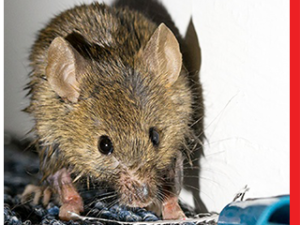
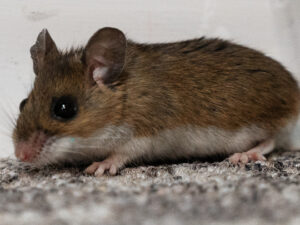
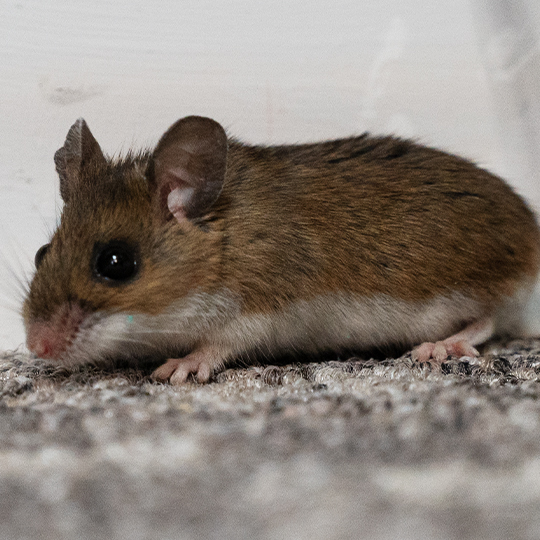
House mice are small rodents, typically 2.5 to 3.75 inches long with a tail of similar length, featuring gray-brown fur and large ears relative to their body size. In fall, they seek out insulation, wall voids, and storage boxes in garages or attics to build nests.
Signs of a mouse infestation include:
- Small, dark droppings (about the size of a grain of rice) near food sources or baseboards
- Gnaw marks on food packaging, wiring, or wood
- Scratching sounds within walls, especially at night
- A musky odor in enclosed spaces
Mice reproduce quickly — a single female can produce up to 10 litters a year, with five to six pups per litter. This means a small fall intrusion can escalate into a significant population by winter’s end.
2. Norway Rats
How can homeowners tell Norway rats apart from mice?
Norway rats are considerably larger than house mice, often reaching 7 to 9.5 inches in body length with a shorter, thicker tail. They prefer burrowing near foundations, woodpiles, and crawl spaces rather than nesting within wall cavities.
Key identifiers include:
- Greasy rub marks along walls and baseboards from their oily fur
- Larger, capsule-shaped droppings compared to mice
- Burrow holes near foundations or under decks
- Gnawed openings around pipes or vents
Norway rats carry pathogens linked to diseases such as leptospirosis and hantavirus, making prompt identification and removal a health priority, not just a property concern.
3. Stink Bugs
Why do stink bugs cluster on homes in autumn?
The brown marmorated stink bug is one of the most recognizable fall invaders, identified by its shield-shaped body, mottled brown coloring, and distinctive banding on its antennae. As temperatures cool, stink bugs congregate on sun-warmed exterior walls before slipping through gaps to overwinter indoors.
Homeowners often notice:
- Clusters of bugs on south- and west-facing walls in late afternoon sun
- Bugs appearing indoors near windows, light fixtures, or attic spaces
- A pungent, acrid odor if the insects are crushed or disturbed
While stink bugs don’t bite, sting, or cause structural damage, large populations indoors create a persistent nuisance and unpleasant smell.
4. Asian Lady Beetles
What’s the difference between Asian lady beetles and ladybugs?
Asian lady beetles closely resemble native ladybugs but tend to be slightly larger, with color variations ranging from orange to red and a distinctive “M” or “W” shaped marking behind the head. Unlike true ladybugs, Asian lady beetles aggregate in large numbers and actively seek out buildings for overwintering.
Identification clues include:
- Large clusters on exterior walls, particularly in sunny spots
- A yellowish, foul-smelling secretion released when threatened or crushed
- Occasional bites, though harmless, as they search for moisture
Choose professional exclusion services if lady beetle clusters number in the hundreds, since over-the-counter sprays rarely address entry points at the scale needed to prevent recurring swarms.
5. Boxelder Bugs
How do boxelder bugs differ from stink bugs in appearance?
Boxelder bugs have slender, flattened black bodies with distinctive red or orange markings along the edges of their wings. They’re commonly found near boxelder, maple, and ash trees, where they feed before migrating toward buildings in fall.
Distinguishing signs include:
- Large aggregations on sunny sides of homes, fences, or tree trunks
- Reddish staining if crushed on fabric or surfaces
- Presence near trees previously inhabited during summer months
Though not destructive, boxelder bug infestations can number in the thousands, and their waste can stain curtains, walls, and furniture.
6. Spiders
Which spider species become more active indoors during fall?
Fall is mating season for many spider species, which increases their visibility both outdoors and indoors. Common fall invaders include the common house spider, wolf spider, and in some regions, the more dangerous brown recluse.
Key identification points:
- House spiders: small, brown, and commonly found in undisturbed corners or basements
- Wolf spiders: larger, hairy, and often mistaken for tarantulas due to their size and quick movements
- Brown recluse: light brown with a distinctive violin-shaped marking on the back; found in dark, secluded areas like closets or storage boxes
Choose professional inspection if a suspected brown recluse is spotted, since this species’ venom can cause serious tissue damage and misidentification is common even among experienced homeowners.
7. Spiders’ Prey: Crickets
Why do cricket populations increase around homes in fall?
Field crickets and camel crickets become more noticeable in autumn as they search for warm, humid environments. Field crickets are dark brown to black with long antennae, while camel crickets have a distinctive humped back and lack wings.
Signs of a cricket presence include:
- Chirping sounds, particularly at night, from field crickets
- Fabric or paper damage from feeding activity
- Sightings in damp basements, crawl spaces, or garages
While generally harmless to people, large cricket populations can attract secondary pests like spiders that feed on them, compounding an infestation.
8. Cluster Flies
How can cluster flies be identified compared to common house flies?
Cluster flies are slightly larger than typical house flies, with a dark gray body covered in fine golden hairs and a sluggish, slow-moving flight pattern. They earn their name from their tendency to gather in large groups, often in attics or upper-level rooms, as they seek overwintering sites.
Identifying features include:
- Slow, lethargic movement compared to regular house flies
- Clustering behavior near windows or light sources indoors
- A buzzing sound from groups trapped in wall voids or attics
Cluster flies don’t breed indoors or spread disease the way house flies do, but their sheer numbers can become overwhelming in homes with large attic spaces.
9. Termites
Does termite activity really continue into the fall season?
While termite swarms are more commonly associated with spring, certain species — including some subterranean termite colonies — remain active well into fall in warmer climates. Termites are pale, soft-bodied insects with straight antennae, distinguishing them from ants.
Warning signs include:
- Mud tubes along foundations or crawl space walls
- Discarded wings near windowsills or doors after a swarm
- Hollow-sounding wood when tapped
- Soft or crumbling wood near ground contact areas
Choose professional termite inspection over DIY detection methods, since termite damage often occurs behind walls and within structural supports where visual signs don’t appear until damage is already extensive.
10. Ants (Especially Carpenter Ants)
What distinguishes carpenter ants from other fall ant invaders?
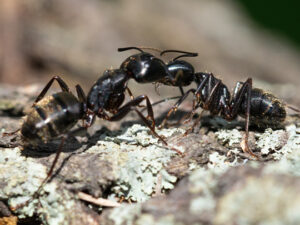
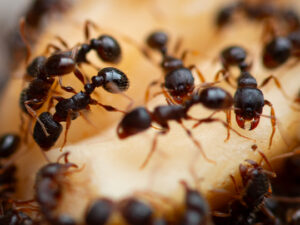
Carpenter ants are among the largest ant species found indoors, typically black or reddish-black and measuring up to half an inch long. Unlike many ant species, carpenter ants don’t eat wood — they excavate it to build nests, which can compromise structural integrity over time.
Signs of carpenter ant activity include:
- Piles of fine sawdust-like material (called frass) near baseboards or wood structures
- Rustling sounds within walls
- Winged ants (swarmers) appearing indoors, often mistaken for termites
Carpenter ants seek out moisture-damaged wood, so their presence can also indicate an underlying leak or water intrusion issue worth investigating.
Fall Pest Identification at a Glance
|
Pest |
Key Identifying Feature |
Common Hiding Spot |
|---|---|---|
|
House Mice |
Small, gray-brown, large ears |
Wall voids, insulation, storage boxes |
|
Norway Rats |
Large body, greasy rub marks |
Foundations, burrows, crawl spaces |
|
Stink Bugs |
Shield-shaped, banded antennae |
Sunny exterior walls, attics |
|
Asian Lady Beetles |
“M” or “W” marking behind head |
Clusters on sunny walls |
|
Boxelder Bugs |
Black with red/orange markings |
Near boxelder/maple trees, sunny walls |
|
Spiders |
Varies by species |
Corners, basements, closets |
|
Crickets |
Long antennae, humped back (camel) |
Damp basements, crawl spaces |
|
Cluster Flies |
Gray body, golden hairs, slow flight |
Attics, upper-level rooms |
|
Termites |
Pale, soft body, straight antennae |
Mud tubes, foundations |
|
Carpenter Ants |
Large, black or reddish-black |
Wood structures, frass piles |
Why Professional Pest Management Beats DIY in the Fall
Store-bought traps and sprays can address surface-level symptoms, but they rarely solve the root problem: entry points and established nests. A few key reasons professional pest management outperforms DIY approaches during fall pest season:
Accurate identification matters. Many fall invaders, like boxelder bugs and stink bugs, resemble each other closely enough that misidentifying the species can lead to using the wrong treatment entirely. Trained pest control technicians distinguish between species quickly and apply targeted solutions.
Entry point sealing requires expertise. DIY caulking often misses smaller gaps around utility lines, vents, and roain lines where pests squeeze through. Professional inspections typically cover the entire building envelope, not just visible cracks.
Nest removal prevents recurrence. Spraying visible pests leaves nests and egg clusters untouched behind walls or in attics. Without full removal, populations rebound within weeks.
Health risks require careful handling. Rodents and certain spiders pose genuine health hazards, from disease transmission to venomous bites. Professional technicians use equipment and protocols designed to minimize exposure risk.
Prevention outlasts short fixes. Choose professional pest management over waiting-and-watching if the goal is lasting prevention rather than temporary relief. Waiting until an infestation is visibly severe typically means higher treatment costs and more extensive repairs.
What to Do Next
Fall pest invaders follow predictable patterns, and the earlier they’re identified, the easier they are to manage. Keep an eye out for clustering insects on sun-facing walls, droppings near pantry items, or unusual sounds within walls and attics. These early warning signs are far easier to address than a fully established infestation.
If any of the signs above sound familiar, scheduling a professional pest inspection before winter arrives offers the best chance of keeping a home pest-free through the colder months. A licensed pest control provider can identify the specific invaders present, seal vulnerable entry points, and apply treatments suited to the exact pests found — protection that DIY traps and sprays simply can’t match.
Frequently Asked Questions
How much does professional pest control typically cost in the fall?
Costs vary based on pest type, infestation severity, and home size, but seasonal fall inspections are often more affordable than treating an established winter infestation. Many providers offer free initial inspections to assess the scope of the problem before quoting a treatment plan.
How long does it take to get rid of fall pest invaders?
Minor issues, like a few stink bugs or lady beetles, may be resolved within a single treatment visit. Larger infestations involving rodents or termites often require multiple visits over several weeks to fully eliminate nests and confirm the problem hasn’t returned.
Are fall pest invaders dangerous to pets or children?
Some are. Norway rats and certain spiders, like the brown recluse, pose genuine health risks through disease transmission or venomous bites. Others, like stink bugs and boxelder bugs, are a nuisance but not dangerous. A professional inspection can clarify which risks apply to a specific home.
Can DIY traps and sprays fully solve a fall pest problem?
DIY methods can reduce visible pests temporarily but rarely address nests, egg clusters, or entry points hidden within walls and attics. For lasting results, professional pest management typically outperforms DIY solutions, especially for rodents, termites, and carpenter ants.
What’s the best time to schedule a fall pest inspection?
Early fall, before temperatures drop significantly, is the ideal window. Scheduling an inspection before pests fully establish themselves indoors makes exclusion and treatment both faster and more effective.