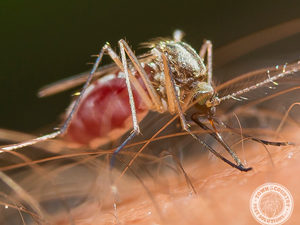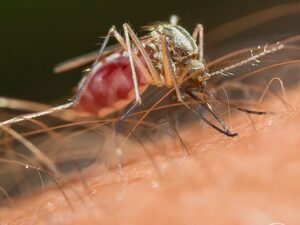
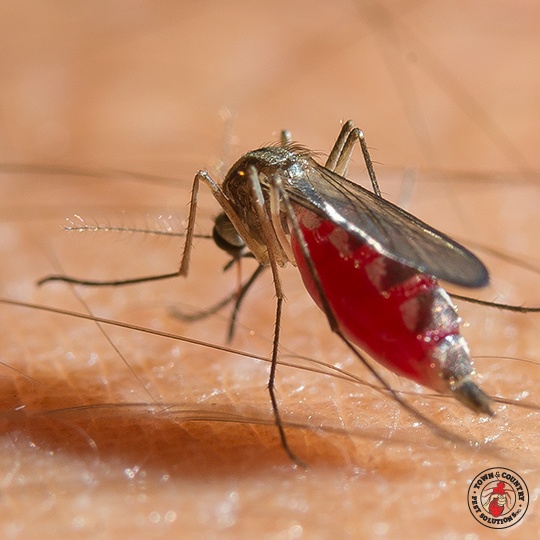
Mosquitoes commonly breed in obvious standing water, but they also hide in overlooked backyard spots. The top five hidden mosquito breeding grounds include clogged gutters, corrugated downspout extensions, neglected bird baths, discarded tires, and hollow tree stumps. Eliminating standing water in these specific areas significantly reduces mosquito populations.
Mosquitoes are the ultimate uninvited guests at any outdoor gathering. These pests cause itchy bites and carry diseases like West Nile virus, Zika virus, and Dengue fever. Homeowners spend countless hours and significant money trying to repel these insects, often focusing on adult mosquitoes instead of targeting the source of the problem.
Stopping mosquitoes at the source means eliminating mosquito breeding grounds. Female mosquitoes require stagnant water to lay their eggs. While most people know to empty obvious containers like buckets and kiddie pools, mosquitoes only need a bottle cap full of water—about one tablespoon—to reproduce. This minimal water requirement allows mosquitoes to utilize tiny, hidden micro-habitats scattered across a typical property.
Reclaiming your outdoor space requires a thorough inspection of areas you might normally ignore. By identifying and addressing these concealed water sources, homeowners can disrupt the mosquito life cycle before the eggs ever hatch. This guide highlights the top five hidden places mosquitoes breed in residential backyards and offers actionable advice on how to eliminate these sneaky habitats.
Where are mosquitoes breeding in clogged gutters?
Roof gutters are designed to channel rainwater away from the foundation of a house. When leaves, twigs, and debris accumulate in these channels, the debris creates small dams. These dams trap rainwater, creating elevated pools of stagnant water. Because gutters sit high off the ground, homeowners rarely notice the standing water until a severe blockage causes water to spill over the edges.
Mosquitoes, however, easily find these elevated pools. The decomposing leaves provide an excellent food source for mosquito larvae. To prevent mosquitoes from breeding in roof gutters, homeowners should clean their gutters at least twice a year—typically in the spring and fall. Installing gutter guards also helps keep large debris out of the channels, ensuring water flows freely to the downspouts.
How do corrugated downspout extensions attract mosquitoes?
Many homeowners use corrugated plastic extensions at the bottom of downspouts to direct water further away from the home’s foundation. The accordion-like folds in these plastic pipes trap small amounts of water after every rainstorm. Even after the surrounding yard dries completely, the ridges inside a corrugated downspout extension hold enough moisture to support hundreds of mosquito larvae.
Replacing corrugated extensions with smooth PVC piping eliminates these small water traps. If replacing the pipes is not an immediate option, homeowners can drill small drainage holes in the bottom of the corrugated plastic valleys. Alternatively, manually lifting and emptying the extensions after heavy rainfall prevents mosquitoes from completing their 8-to-10-day breeding cycle.
Why are neglected bird baths prime mosquito breeding grounds?
A bird bath adds a beautiful aesthetic to a garden and supports local wildlife. Unfortunately, if the water remains stagnant for more than a few days, a bird bath quickly transitions into a mosquito nursery. The organic matter introduced by visiting birds, combined with warm sun exposure, creates ideal conditions for mosquito larvae to thrive.
Homeowners do not need to remove bird baths to maintain a mosquito-free yard. Instead, simply dump out the old water, scrub the basin, and refill the bird bath with fresh water every three to four days. Adding a small water agitator or a solar-powered fountain pump also prevents mosquitoes from laying eggs, as female mosquitoes strongly prefer perfectly still water over moving water.
Do discarded tires hold enough water for mosquitoes to breed?
Old vehicle tires are notorious for breeding mosquitoes. The thick rubber insulates the water inside, keeping it warm and accelerating the mosquito life cycle. The shape of a tire makes it incredibly difficult to empty completely, as water simply pools in the lower curve no matter how the tire rests on the ground. Certain aggressive species, such as the Asian tiger mosquito (Aedes albopictus), heavily prefer breeding in discarded tires.
The most effective solution is to remove old tires from the property entirely. Local recycling centers and auto shops often accept used tires for a small fee. If tires are being used for landscaping or as a backyard swing, drill large drainage holes directly into the bottom center of the tire. This ensures gravity pulls all standing water out of the rubber casing.
Can hollow tree stumps serve as mosquito breeding sites?
When a tree dies or falls, the remaining stump often rots from the center outward. This decay creates a hollow cavity that easily collects rainwater and morning dew. Because the wood retains moisture and provides ample shade, hollow tree stumps create a highly protected environment for mosquito eggs to develop into adult mosquitoes.
Homeowners can eliminate this natural breeding ground by filling the hollow cavity with sand, gravel, or dirt. This removes the space where water can pool. For a more permanent fix, hiring a professional tree service to grind the stump down below the soil line completely removes the hazard and reclaims that yard space for other landscaping projects.
What are the next steps to keep your backyard mosquito-free?
Eliminating hidden standing water is the single most effective method for controlling mosquito populations on residential properties. Take 15 minutes this week to walk the perimeter of your home after a rainstorm. Check the gutters, inspect downspouts, refresh bird baths, and fill in any hollow stumps. By making this inspection a weekly habit during the warmer months, you can drastically reduce the number of biting pests in your yard.
For severe infestations that persist after all standing water has been removed, consider contacting a licensed pest control professional. Professionals can apply targeted treatments to adult mosquito resting areas, such as dense bushes and tall grass, providing an additional layer of protection for your outdoor living spaces.
Frequently Asked Questions (FAQ)
How quickly can mosquitoes breed in standing backyard water?
Mosquitoes can complete their life cycle from egg to biting adult in as little as 8 to 10 days, depending on the temperature and species. In highly stagnant, warm water, the development process accelerates, making weekly yard inspections crucial for disrupting their breeding cycle.
What diseases do backyard mosquitoes carry?
In the United States, backyard mosquitoes can transmit several serious diseases, including West Nile virus, Eastern Equine Encephalitis (EEE), and heartworms in dogs and cats. Certain mosquito species, such as Aedes aegypti, are also capable of transmitting the Zika virus and Dengue fever.
Are there natural ways to deter mosquitoes from breeding?
Yes. Aside from dumping standing water, introducing natural predators to large water features helps control mosquito populations. Adding mosquito fish (Gambusia affinis) to decorative ponds controls mosquito larvae. Using a biological larvicide containing Bacillus thuringiensis israelensis (Bti)—commonly sold as mosquito dunks—kills mosquito larvae without harming fish, birds, or pets.