
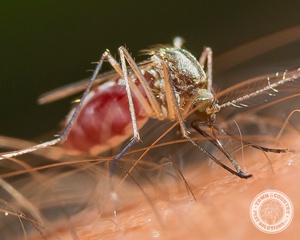
Getting rid of mosquitoes in your yard requires eliminating their breeding grounds, not just repelling the adult insects. Mosquitoes can breed in standing water as small as a bottle cap. For effective long-term mosquito prevention, homeowners must combine routine source reduction—like clearing clogged gutters and emptying plant saucers—with professional barrier treatments and larvicide applications.
Check your property right now. Do you have any of these? A birdbath you refill but rarely scrub. A gutter that drains slowly. A tarp, tote, or trash can lid sitting outside.
If any of those items are present on your property, they are likely contributing to a growing mosquito population. Homeowners often spend plenty of money on retail repellents and yard sprays, only to retreat indoors when the sun goes down. Understanding how these pests operate is the first step to truly solving the problem. This guide will walk you through exactly where mosquitoes breed, why popular DIY treatments fall short, and the exact steps required to reclaim your outdoor spaces.
Why Do I Have So Many Mosquitoes Coming Back to My Yard?
Adult mosquitoes are only a fraction of the actual problem. The real driver of a backyard infestation is the mosquito breeding cycle. Female mosquitoes lay their eggs in stagnant water. Those eggs hatch into larvae, turn into pupae, and emerge as biting adults in as little as eight to ten days.
If a homeowner only focuses on eliminating adult mosquitoes flying around the patio, the next generation is already growing nearby. A single female mosquito can lay up to 300 eggs at a time. Furthermore, mosquitoes do not need a large pond to reproduce. Standing water mosquitoes can breed successfully in an amount of water as small as a discarded bottle cap. Killing adult insects provides temporary relief, but long-term prevention requires stopping the larvae from developing in the first place.
What Are the Surprising Mosquito Breeding Spots at Home?
Most property owners know to empty large buckets of water, but mosquitoes are highly opportunistic. To effectively get rid of mosquitoes in your yard, you must inspect the easily overlooked areas.
Gutters are a primary culprit. A clogged gutter full of wet leaves creates a perfect, undisturbed breeding habitat high above your line of sight. Plant saucers sitting beneath potted plants also collect excess runoff, holding enough moisture to sustain hundreds of mosquito larvae.
Low-lying lawn areas that fail to drain properly after heavy rain serve as temporary, yet highly effective, nurseries. Additionally, crumpled plastic tarps, children’s toys left in the sandbox, and unmaintained birdbaths provide ideal stagnant pools. Scrubbing birdbaths weekly removes the sticky mosquito eggs attached to the sides, disrupting the breeding cycle completely.
Why Do Mosquito Sprays, Candles, and Zappers Fail to Get Rid of Mosquitoes?
Retail mosquito control products line hardware store shelves every spring, but their effectiveness is strictly limited. Citronella candles look nice and emit a strong odor, but they only mask the carbon dioxide humans exhale within a very small radius. A light breeze renders a citronella candle completely ineffective.
Bug zappers actually attract more insects to your property. Unfortunately, bug zappers primarily kill beneficial bugs like moths and beetles, while mosquitoes are generally uninterested in ultraviolet light.
Store-bought yard sprays do kill mosquitoes on contact. However, these consumer-grade sprays break down rapidly under sunlight and rain. They lack the residual sticking power required to protect a property for more than a few days, and they rarely contain the larvicides needed to target the aquatic breeding stages.
What Does Professional Mosquito Control Actually Involve?
A professional mosquito barrier treatment addresses the entire lifecycle of the insect. Instead of randomly spraying the lawn, licensed technicians identify exactly where mosquitoes rest and breed.
Take a relatable scenario from our field experience: A homeowner in Atlanta couldn’t figure out why their yard was still overrun with mosquitoes despite regular DIY spraying. A technician found three separate breeding sources during a property walkthrough—a clogged downspout, a tipped flower pot behind the garage, and a low patch of lawn that stayed wet after rain. Eliminating those sources, combined with a barrier treatment, made a noticeable difference within two weeks.
Professional service schedules typically involve applying a barrier treatment to foliage where adult mosquitoes rest during the heat of the day. Technicians also apply larvicide to standing water that cannot be drained, stopping the next generation from taking flight.
What Are Some Simple Mosquito Prevention Tips Homeowners Can Take?
Professional treatments work best when paired with proactive homeowner habits. You can significantly reduce the mosquito population on your property by adopting a weekly checklist.
Walk around your yard after every rainstorm to empty any water that has collected in trash cans, wheelbarrows, and children’s toys. Keep your lawn mowed short and trim back dense vegetation, as adult mosquitoes use tall grass and thick bushes for shade. If you have decorative ponds, consider adding mosquito-eating fish or using mosquito dunks containing BTI, a natural bacterium that safely targets mosquito larvae without harming pets or wildlife.
Is Professional Mosquito Control Worth It for Homeowners?
Deciding if mosquito control is worth it ultimately comes down to how you value your outdoor living space and family health. If mosquitoes constantly drive your family indoors, your backyard is essentially wasted space.
Beyond the annoyance of itchy bites, mosquitoes transmit serious illnesses. Professional mosquito control significantly reduces the risk of mosquito-borne diseases without relying on constant applications of heavy insect repellent on your skin. Choose professional mosquito control if reclaiming your yard and protecting your family’s health matters more than the temporary savings of buying ineffective retail sprays.
Frequently Asked Questions About Mosquito Control
How much does professional mosquito control cost?
The cost of professional mosquito control depends on the size of your property and the frequency of the treatments. Most residential treatments range from $70 to $100 per application, with services typically scheduled every three to four weeks during peak mosquito season.
How long does a mosquito barrier treatment last?
A standard professional mosquito barrier treatment lasts approximately 21 to 28 days. The longevity of the treatment depends heavily on the specific formula used, local weather conditions, and the amount of rainfall your property receives.
What is the best alternative to chemical mosquito sprays?
The best alternative to traditional synthetic chemicals is an all-natural mosquito treatment derived from essential oils like garlic, peppermint, and rosemary. While natural treatments require more frequent applications—usually every 14 days—they effectively repel mosquitoes without the use of harsh synthetic pesticides.
Reclaim Your Yard from Mosquitoes Today
Mosquito season moves fast. If you are not sure where they are coming from on your property, we offer a free yard assessment—no treatment required. We will walk your property, show you exactly what we find, and give you honest recommendations. Take the right next step and start enjoying your backyard again.


)