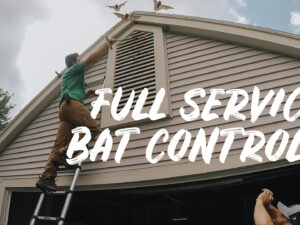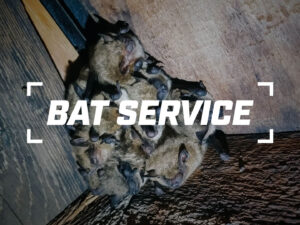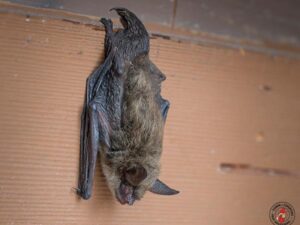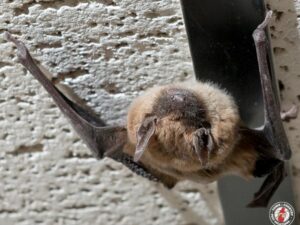
Hearing strange scratching noises coming from your ceiling at night can be unsettling. When those sounds are accompanied by high-pitched squeaks, you might be dealing with a colony of bats taking up residence in your home. While bats are incredibly beneficial for the environment—eating thousands of mosquitoes and pests every night—they are not ideal houseguests.
Discovering a bat in your home usually leads to a frantic search for solutions. However, handling wildlife requires care, specific knowledge, and often, legal compliance. Many homeowners wonder if they can handle the eviction process themselves or if they need to call in the experts.
This guide will help you identify the clear signs of an infestation, understand the health and legal risks involved, and determine exactly when to call for professional bat removal.
Clear Signs You Have Bats in Your Attic
Bats are nocturnal and secretive, meaning you might host a colony for weeks before actually seeing one. To determine the severity of your situation, look for these common indicators.
Unexplained Nighttime Noises
Mice and rats usually scurry, but bats create a distinct fluttering, scratching, and light squeaking sound. Because bats sleep during the day, these noises will almost exclusively happen at dusk, dawn, or throughout the night as they leave and return from feeding.
Accumulation of Bat Guano
One of the most obvious signs of a roosting colony is their droppings, known as guano. Bat guano looks similar to mouse droppings but is usually larger and tends to cluster in specific piles directly beneath their entry points or roosting spots. If you crush it (using heavy gloves and a mask), it often turns to dust and reveals shiny insect parts.
Strong Ammonia Smells
A large colony of bats will produce a significant amount of urine and guano. Over time, this buildup emits a strong, pungent odor similar to ammonia. If your upper floor or attic starts smelling like a dirty hamster cage, you likely have a substantial wildlife issue.
Visible Grease Marks
Bats have oily coats. As they squeeze through tiny gaps in your roofline, fascia boards, or vents, they leave behind dark, greasy smudge marks. Inspect the exterior of your home for these stains, particularly around small crevices.
The Risks of DIY Bat Removal
Attempting to get rid of bats on your own carries significant risks. It is crucial to understand the biological and legal complexities before trying a DIY approach.
Serious Health Hazards
Bat guano grows a fungus called Histoplasma capsulatum. When the droppings are disturbed, microscopic spores release into the air. Inhaling these spores can cause Histoplasmosis, a severe respiratory infection. Furthermore, while rare, bats are known carriers of rabies. Any physical contact with a bat presents a risk of a bite or scratch.
Strict Legal Protections
Many bat species are federally or state-protected due to declining populations. It is illegal to kill them, and in many regions, it is even illegal to exclude or evict them during their maternity season (typically late spring through late summer). If you block their exit while flightless babies are still inside, the young will die, creating a horrific odor and a secondary pest infestation.
When to Call for Professional Bat Removal
While a single bat accidentally flying through an open window can often be safely guided back out, an attic infestation requires a different approach. You should absolutely hire a professional if you experience any of the following:
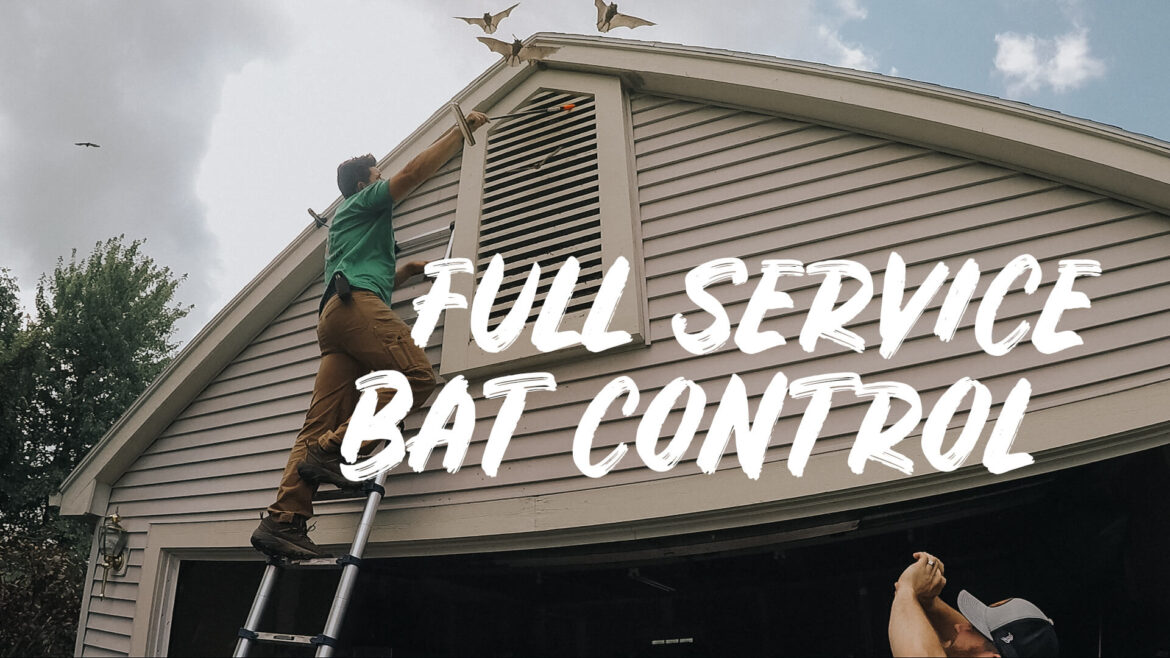
- You suspect a colony: If you see multiple bats leaving your roof at dusk, you have a colony. Professionals have the equipment to safely perform a “live exclusion,” which allows bats to leave but prevents them from re-entering.
- You find babies: If it is maternity season, professionals know how to monitor the colony and will wait until the pups can fly before sealing the home.
- You need extensive cleanup: Pest control experts have the hazmat gear and HEPA vacuums required to safely remove toxic guano, sanitize the space, and replace soiled insulation.
- You cannot find the entry points: Bats can squeeze through holes the size of a dime. Wildlife control specialists know exactly how to inspect your roofline and seal every potential vulnerability to prevent future infestations.
Protect Your Home and Peace of Mind
Cohabitating with wildlife puts your property and your family’s health at risk. Recognizing the signs of a bat infestation early can save you from costly structural repairs and hazardous cleanup processes down the road.
If you notice scratching, strange odors, or grease marks around your roof, do not wait for the problem to multiply. Reach out to a certified humane wildlife control service. They will safely exclude the animals, sanitize your attic, and ensure your home remains entirely bat-free for years to come.