
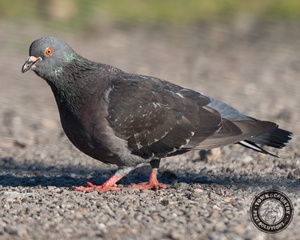
Pigeons nest on properties that offer shelter, flat surfaces, and nearby food sources. Effective deterrents include physical exclusion methods like spikes and netting, habitat modification, and professional pest control. Removing food access and blocking entry points are the fastest ways to discourage roosting.
You didn’t invite them. But there they are—perched on your roof, clustered on your windowsills, leaving behind a mess that’s harder to clean than most people expect. Pigeon infestations are one of the most common and underestimated urban pest problems, affecting homeowners and businesses alike.
What makes pigeons particularly stubborn is their loyalty. Once a flock identifies a roosting site, they return to it repeatedly—sometimes for years. Their droppings are corrosive enough to damage building materials over time, and a single pair can multiply into dozens within a single season.
This post breaks down exactly what draws pigeons to your property, the risks they carry, and the deterrents that actually work—so you can make an informed decision about how to handle the problem.
What Makes Your Property So Attractive to Pigeons?
Pigeons are opportunists. They don’t choose a roosting spot at random—they’re drawn to locations that meet specific survival criteria.
Flat, sheltered surfaces
Pigeons prefer flat or slightly sloped surfaces that offer protection from wind and rain. Rooftops, window ledges, solar panels, HVAC units, and building overhangs all mimic the cliff-face environments pigeons originally evolved to inhabit. If your property has recesses, gaps, or raised edges, it’s essentially a ready-made nesting platform.
Reliable food and water sources
Open dumpsters, uncovered compost bins, outdoor pet food bowls, and restaurant waste areas are all magnets. Pigeons are not picky eaters—they’ll consume grain, seeds, scraps, and processed food waste with equal enthusiasm. A nearby water source, even something as minor as a clogged gutter with standing water, makes a location significantly more attractive.
Lack of predator pressure
Urban environments have fewer natural predators. Without hawks, falcons, or other deterrents in the area, pigeons feel safe enough to establish long-term roosts. Properties with no prior disturbance are particularly vulnerable to becoming permanent nesting grounds.
What Risks Do Roosting Pigeons Actually Pose?
The presence of pigeons isn’t just an aesthetic problem. The risks are measurable and well-documented.
|
Risk Category |
Specific Hazard |
|---|---|
|
Structural damage |
Pigeon droppings contain uric acid, which corrodes metal, concrete, and roofing materials |
|
Health risks |
Droppings and feathers can carry Histoplasma, Cryptococcus, and Salmonella |
|
Slip hazards |
Accumulated droppings on walkways and fire escapes create fall risks |
|
Blocked drainage |
Nesting materials clog gutters and roof drains, leading to water damage |
|
Pest introduction |
Pigeons carry mites, ticks, and fleas that can spread into buildings |
According to the Centers for Disease Control and Prevention (CDC), Histoplasmosis—a fungal lung infection linked to bird droppings—is one of the most common fungal infections in the United States. While not every pigeon carries disease, large-scale infestations significantly raise exposure risk.
Beyond health, the structural cost is real. A study published by the Urban Bird Foundation found that pigeon droppings accelerate the deterioration of stone and metal surfaces by up to 10 times faster than normal weathering conditions.
How to Stop Pigeons From Nesting on Your Property
There’s no single silver bullet. Effective pigeon control almost always requires a layered approach—combining physical deterrents, habitat modifications, and sometimes professional intervention.
Physical deterrents that block access
Bird spikes are one of the most widely used and cost-effective solutions. These plastic or stainless steel spikes are installed along ledges, rooftops, and windowsills to prevent pigeons from landing. They don’t harm the birds—they simply remove the flat surface pigeons need to perch.
Bird netting is the most comprehensive exclusion method available. Heavy-duty polyethylene netting can be installed over roof spaces, courtyards, and building facades to completely block access. When installed correctly, netting is nearly invisible from street level and can last 10 or more years.
Electric track systems deliver a mild, harmless electric pulse when a bird lands on a treated surface. These systems are particularly effective for heritage buildings or areas where spikes would be visually obtrusive.
Reflective and visual deterrents
Reflective tape, predator decoys (such as owl or hawk silhouettes), and holographic discs can deter pigeons from landing in specific areas. These methods work best as a supplement to physical deterrents rather than a standalone solution. Pigeons are intelligent enough to habituate to static decoys over time, so rotating or repositioning them improves effectiveness.
Habitat modification
This is often the most overlooked step—and one of the most important. Removing what attracts pigeons in the first place reduces the chance of re-infestation after deterrents are installed.
Practical steps include:
- Sealing food waste containers and scheduling more frequent waste collection
- Clearing gutters and standing water to eliminate drinking sources
- Trimming overhanging vegetation that pigeons use as staging areas before landing on rooftops
- Filling gaps and crevices under eaves and around HVAC equipment with wire mesh or foam sealant
Chemical repellents and taste aversions
Gel-based repellents create a sticky surface that pigeons find uncomfortable to land on. These are particularly useful for small surface areas like window ledges and signage. Methyl anthranilate, a grape-derived compound, is used in some liquid repellent sprays and is registered with the EPA as safe for use around humans and animals.
When to call a professional
If the infestation is large, if droppings have accumulated significantly, or if birds have already nested inside a structure, professional pest control is strongly advisable. Cleanup of large-scale droppings requires protective equipment and biohazard protocols. Professionals can also assess the property for access points that untrained eyes might miss.
How to Prevent Pigeons From Coming Back
Getting rid of an established roost is only half the problem. Pigeons have strong homing instincts—returning to familiar sites even after deterrents are installed.
Long-term prevention depends on three things: consistent maintenance, removing attractants, and monitoring. Once spikes or netting are installed, inspect them every six months for damage or gaps. Remove any nesting material immediately upon discovery; the longer it stays, the more it signals to the flock that the site is viable.
Community-level action also matters. If neighboring properties are unmanaged and pigeon populations remain high in the area, individual efforts will face more pressure. Coordinating with neighboring property owners or working with a local pest control provider on an area-wide strategy can dramatically improve long-term results.
Take Back Your Property
Pigeons are persistent, but they’re not unstoppable. Understanding what draws them—flat surfaces, food access, shelter, and safety—gives you a clear framework for making your property less hospitable. Pair that knowledge with layered physical deterrents and consistent habitat management, and you’ll significantly reduce the chances of re-infestation.
Start with the basics: clear food sources, block the most obvious perching spots, and assess whether you need professional help to manage any existing droppings safely. From there, a combination of spikes, netting, and regular maintenance will do the heavy lifting.
Frequently Asked Questions
Why do pigeons keep coming back to the same property?
Pigeons are creatures of habit with strong homing instincts. Once a flock identifies a roosting site as safe and resource-rich, they return consistently—sometimes for years. The presence of nesting material, droppings, or feather residue also signals to other pigeons that the site has been vetted as safe.
Are pigeon droppings dangerous to human health?
Yes, in large quantities. Pigeon droppings can harbor pathogens including Histoplasma capsulatum (which causes Histoplasmosis), Cryptococcus neoformans (a fungal pathogen), and Salmonella bacteria. Risk increases significantly when droppings are disturbed and become airborne. The CDC recommends using protective masks and gloves when cleaning up large accumulations.
What is the most effective pigeon deterrent for residential properties?
Bird netting is considered the most effective and long-lasting deterrent for residential use. Bird spikes are the most cost-effective option for ledges and flat surfaces. For maximum effectiveness, physical deterrents should be combined with habitat modification—removing food sources and sealing access points.
Will bird spikes hurt pigeons?
No. Bird spikes are designed to prevent landing, not to injure. When installed correctly, they create an uneven surface that makes perching uncomfortable without causing harm to the bird.
Can I legally remove pigeon nests from my property?
In the United States, pigeons (rock pigeons) are not protected under the Migratory Bird Treaty Act, meaning removal of nests and eggs is generally legal without a permit. However, regulations vary by state and locality, so checking with your local wildlife authority before taking action is advisable.
How much does professional pigeon control cost?
Costs vary depending on the scale of the infestation and the methods used. Basic deterrent installation (spikes and netting) for a residential property typically ranges from $300 to $1,500. Large commercial jobs or properties requiring biohazard cleanup can cost several thousand dollars. Getting multiple quotes from licensed pest control providers is recommended.


