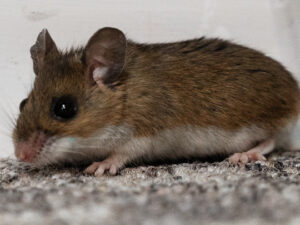
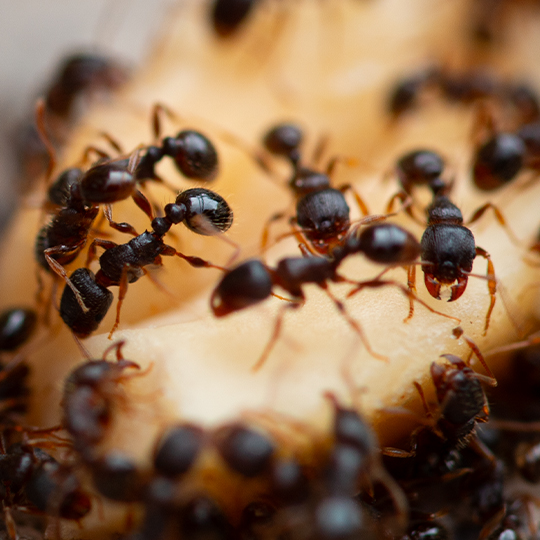
DIY pest control works best for minor, isolated issues like ants or occasional spiders, and it costs less upfront. Professional pest control is worth the investment for recurring infestations, structural pests like termites, or health-risk pests like rodents and bed bugs, since exterminators use commercial-grade products and offer long-term prevention plans. Choose based on infestation severity, pest type, and how much time you’re willing to spend managing it yourself.
Few things disrupt a peaceful home faster than spotting a trail of ants marching across the kitchen counter or hearing scratching sounds in the attic at night. Once the shock wears off, homeowners face a practical decision: grab a can of bug spray from the hardware store, or call in a licensed exterminator?
The answer isn’t always straightforward. DIY pest control can save money and offer quick relief for minor problems, but it isn’t always effective against larger or recurring infestations. Professional pest control services bring expertise and industrial-strength solutions to the table, but at a higher cost. This guide breaks down both options so you can make the right call for your home, your budget, and your pest problem.
What’s the difference between DIY and professional pest control?
DIY pest control involves store-bought traps, sprays, baits, and natural remedies that homeowners apply themselves. Professional pest control involves licensed technicians who inspect your property, identify the pest species, and apply targeted treatments—often using products and equipment that aren’t available to the general public.
The core difference comes down to three factors: access to stronger materials, diagnostic expertise, and long-term prevention strategies. A professional doesn’t just kill the pests you can see; they identify entry points, nesting sites, and conditions that attract pests in the first place.
When does DIY pest control make sense?
DIY methods are a reasonable first step for small, contained problems. If you’re dealing with a few ants near a window or the occasional spider in the garage, over-the-counter solutions can often resolve the issue without professional help.
DIY pest control tends to work well when:
- The infestation is small, isolated, and recently discovered
- You’re dealing with common nuisance pests, like ants, gnats, or houseflies
- You can correctly identify the pest and its behavior
- You’re comfortable applying pesticides safely, including reading labels and storing chemicals away from children and pets
Common DIY tools include:
- Bait stations and traps for ants and roaches
- Sticky traps for monitoring rodent activity
- Over-the-counter sprays for spiders and crawling insects
- Natural deterrents, such as diatomaceous earth or essential oil-based repellents
The appeal is obvious: lower cost and immediate action. But DIY treatments often address symptoms rather than root causes, which means pests can return within weeks if the underlying issue isn’t resolved.
When should you call a professional exterminator?
Certain pest situations call for expertise that goes beyond what a retail spray can offer. Professional pest control is generally worth the investment when infestations are recurring, widespread, or involve pests capable of causing structural or health damage.
Situations that typically require professional intervention include:
- Termites: These pests cause significant structural damage over time, and DIY treatments rarely reach termite colonies hidden inside walls or foundations.
- Bed bugs: Bed bugs are notoriously difficult to eliminate without professional-grade heat treatments or pesticides, since they hide in tiny cracks and reproduce quickly.
- Rodents: Mice and rats pose health risks through droppings and can chew through wiring, making exclusion and sealing—skills exterminators specialize in—essential.
- Recurring infestations: If you’ve tried DIY methods multiple times and pests keep coming back, a professional can identify the source that store-bought products missed.
- Large-scale infestations: Cockroach or wasp infestations that have spread across multiple rooms or the exterior of a home often exceed what DIY treatments can handle.
Pest control companies also offer ongoing service plans, which include seasonal inspections and preventive treatments. For homeowners who want peace of mind rather than a one-time fix, this proactive approach often pays off.
How do costs compare between DIY and professional pest control?
Cost is usually the deciding factor for homeowners weighing their options. DIY products are cheaper per purchase, but the total cost can add up if repeated treatments are needed. Professional services carry a higher upfront cost but often include guarantees and follow-up visits.
|
Factor |
DIY Pest Control |
Professional Pest Control |
|---|---|---|
|
Upfront cost |
Low (single products typically range from $10–$50) |
Higher (treatments vary widely based on pest type and property size) |
|
Effectiveness for minor pests |
Generally effective |
Effective, but often unnecessary for small issues |
|
Effectiveness for major infestations |
Limited |
High, due to commercial-grade products and expertise |
|
Time investment |
Requires ongoing homeowner effort |
Minimal homeowner effort after scheduling |
|
Long-term prevention |
Limited, requires repeat purchases |
Often included via maintenance plans |
|
Safety |
Depends on proper handling of chemicals |
Applied by trained, licensed technicians |
Choose DIY pest control if the issue is minor, isolated, and you’re confident identifying the pest correctly. Choose professional pest control if the infestation is recurring, involves structural pests like termites, or poses health risks that outweigh the cost savings of doing it yourself.
What are the risks of relying on DIY pest control for serious infestations?
Using DIY methods on a problem that’s outgrown them can lead to wasted money and, in some cases, worse outcomes. Termite damage can progress silently while a homeowner applies surface-level treatments that never reach the colony. Bed bugs can spread to additional rooms if incomplete treatments scatter them rather than eliminate them. Misusing pesticides can also pose health risks to people and pets if not applied correctly.
There’s also an opportunity cost. Time spent repeatedly treating a problem that isn’t improving is time that could have been spent calling a licensed professional who resolves it faster and more thoroughly.
Making the right call for your home
Pest control isn’t a one-size-fits-all decision. Minor, contained issues are often manageable with DIY products, saving money and offering fast results. But once an infestation involves structural pests, health risks, or repeated attempts to fix the same problem, professional pest control becomes the smarter—and often more cost-effective—choice in the long run.
If you’re unsure which category your situation falls into, consider scheduling a professional inspection. Many pest control companies offer free or low-cost assessments, giving you expert insight before committing to a treatment plan.
Frequently asked questions
Is DIY pest control as effective as professional treatment?
DIY pest control can be effective for small, isolated pest problems like ants or occasional spiders. It’s generally less effective against widespread infestations, termites, or bed bugs, which often require commercial-grade products and specialized application methods.
How much does professional pest control typically cost?
Costs vary widely depending on the pest type, infestation severity, and property size. Homeowners should request quotes from multiple licensed providers to compare pricing and service plans before committing.
What are the risks of DIY pest control?
Risks include improper pesticide handling, incomplete treatment that allows pests to return or spread, and delayed recognition of serious problems like termite damage, which can worsen the longer they go untreated.
Are there alternatives to full-service pest control contracts?
Yes. Many companies offer one-time treatments instead of ongoing contracts, which can be a good middle ground for homeowners who want professional-grade treatment without a long-term commitment.
Who should always call a professional instead of trying DIY methods?
Homeowners dealing with termites, bed bugs, extensive rodent infestations, or recurring pest problems despite DIY efforts should call a licensed exterminator, since these situations typically require specialized equipment and expertise.