Quick answer: Stink bugs enter homes through small gaps around windows, doors, and utility lines, especially as temperatures drop in fall. Homeowners can reduce stink bug activity by sealing entry points, installing door sweeps, and using window screens. For lasting protection, Town and Country Pest Solutions offers a seasonal exterior barrier treatment through its Occasional Intruders Program, which covers stink bugs and other seasonal pests.
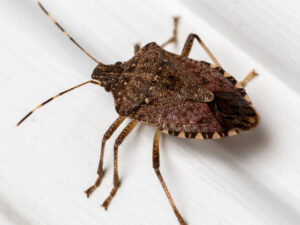
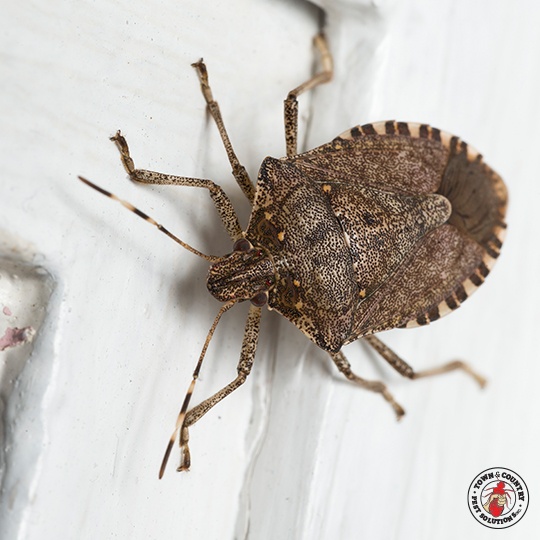
Few things are as unsettling as spotting a shield-shaped bug crawling across your curtains, especially when disturbing it fills the room with an odor that’s hard to forget. Stink bugs (Halyomorpha halys, commonly known as the brown marmorated stink bug) don’t bite, sting, or spread disease, but they can still make your home feel invaded. Once the weather cools, these pests search for warm, sheltered places to overwinter, and your house looks like an ideal target.
If you’ve noticed a growing number of stink bugs clustering near your windows or squeezing through door frames, you’re not imagining it. Fall is peak season for stink bug intrusions across New York, and homes in Rochester, Buffalo, and Syracuse are no exception. This guide breaks down why stink bugs invade homes, what you can do to prevent them, and when it’s worth calling in a professional pest control team like Town and Country Pest Solutions.
Why Do Stink Bugs Invade Homes in the Fall?
Stink bugs are cold-blooded insects that can’t survive freezing temperatures outdoors. As daylight shortens and temperatures drop, they instinctively seek out warm, protected spaces to wait out the winter. Homes offer exactly that: insulated walls, dark attics, and small cracks that lead to cozy indoor air.
Stink bugs typically enter through:
- Gaps around window and door frames
- Unsealed utility line penetrations (cable, gas, or electrical entry points)
- Damaged window screens
- Vents and chimneys without proper covers
- Cracks in siding or foundation walls
Once inside, stink bugs often settle into wall voids, attics, or other undisturbed areas. They don’t reproduce indoors during winter, but as temperatures rise in spring, disturbed populations can suddenly appear in living spaces, sometimes in large numbers.
What Attracts Stink Bugs to a Property?
Beyond the search for warmth, stink bugs are drawn to specific conditions around a home’s exterior. Homes near wooded areas, gardens, or fruit trees tend to see higher stink bug activity, since these areas serve as feeding and breeding grounds during warmer months.
Light also plays a role. Stink bugs are drawn to bright light sources, which is why they’re commonly spotted near porch lights, window sills, and sunlit siding in the late afternoon. Homes with south- or west-facing exteriors, which receive more direct sun, often experience higher stink bug pressure than shaded properties.
How Can Homeowners Prevent Stink Bugs From Getting Inside?
Prevention is far more effective than dealing with an active infestation. The following steps can significantly reduce the chances of stink bugs finding their way indoors:
- Seal cracks and gaps. Use caulk to close gaps around windows, doors, siding, and utility penetrations.
- Install door sweeps. These block one of the most common stink bug entry points at ground level.
- Repair or replace window screens. Torn or ill-fitting screens are an open invitation.
- Check vents and chimneys. Make sure they’re covered with fine mesh screening.
- Reduce exterior lighting at night. Switching to yellow or motion-activated lighting can make a home less attractive to stink bugs.
- Trim vegetation near the foundation. This removes cover for stink bugs staging near entry points.
These steps can meaningfully reduce stink bug activity, but they won’t eliminate an existing population, and gaps are easy to miss without a trained eye. That’s where a professional exterior treatment makes the difference.
When Should You Call a Pest Control Company?
If you’re seeing more than a handful of stink bugs indoors, especially in fall or spring, it’s a sign that they’ve already established a presence in your home’s structure. At that point, DIY sealing and swatting won’t solve the underlying issue.
Choose professional treatment if:
- Stink bugs are appearing repeatedly despite sealing visible gaps
- You’re finding them in multiple rooms or on multiple floors
- You want a preventive barrier in place before the fall influx begins
Choose DIY prevention if:
- You’re seeing occasional, isolated stink bugs
- Your home is newer with well-sealed windows and doors
- You want to supplement a professional treatment with added protection
How Town and Country Pest Solutions Protects Homes From Stink Bugs
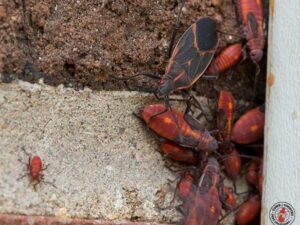
Town and Country Pest Solutions treats stink bugs as part of its Occasional Intruders Program, a seasonal service designed for pests that invade homes from the outside rather than nesting or breeding indoors. This program includes an exterior barrier application that targets stink bugs, along with other seasonal invaders such as box elder bugs, millipedes, and Asian lady beetles.
Homeowners looking for broader, year-round protection can opt for Town and Country’s Everything Package, which bundles seasonal barrier treatments for stink bugs and 45+ other common household pests into one annual plan. This package includes two seasonal prevention applications per year, unlimited pest identification support, and a free wildlife inspection.
|
Service |
What’s Covered |
Starting Price |
|---|---|---|
|
Occasional Intruders Program |
Stink bugs, box elder bugs, spiders, millipedes, and more |
$210 |
|
Everything Package |
45+ common pests, including stink bugs, ants, and stinging insects |
$599/year |
Town and Country Pest Solutions serves homeowners across Rochester, Buffalo, and Syracuse, New York, backed by over 2,500 Google reviews and an average rating of 4.9 out of 5 stars.
Take Back Your Home Before Stink Bug Season Peaks
Stink bugs may not pose a health risk, but a home full of them is uncomfortable, and once they’re established indoors, they’re difficult to fully clear out on your own. Sealing entry points and reducing outdoor attractants are useful first steps, but a seasonal exterior barrier treatment offers the kind of lasting protection that DIY methods can’t match.
If stink bugs have already made their way into your home, or you’d rather prevent them before fall arrives, Town and Country Pest Solutions can help. Request a free quote today by calling (585) 426-5024 in Rochester, (716) 249-6769 in Buffalo, or (315) 214-7069 in Syracuse.
Frequently Asked Questions
Do stink bugs cause any damage inside homes?
Stink bugs don’t damage structures, furniture, or fabrics indoors. Outdoors, however, they can damage gardens and fruit trees by feeding on crops.
How much does stink bug treatment typically cost?
Through Town and Country Pest Solutions, stink bug treatment under the Occasional Intruders Program starts at $210. Homeowners wanting broader pest coverage can choose the Everything Package, starting at $599 per year.
Are stink bugs dangerous to pets or people?
No. Stink bugs don’t bite, sting, or carry disease. Their main nuisance is the strong odor they release when disturbed or crushed.
Can I get rid of stink bugs without professional help?
Sealing gaps, installing door sweeps, and reducing exterior lighting can reduce stink bug activity, but these methods often aren’t enough once bugs have established themselves indoors. A seasonal exterior barrier treatment offers more reliable, longer-lasting results.
What time of year are stink bugs most active around homes?
Stink bugs are most active around homes during the fall, as they search for warm places to overwinter, and again in early spring as temperatures rise and disturbed populations become active.