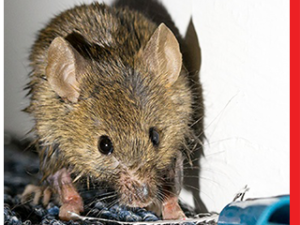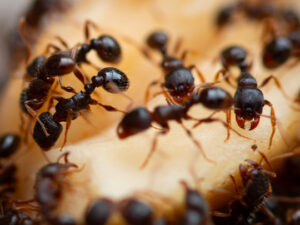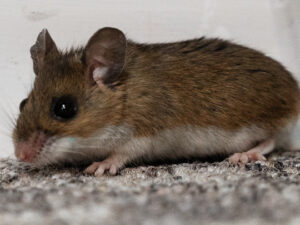
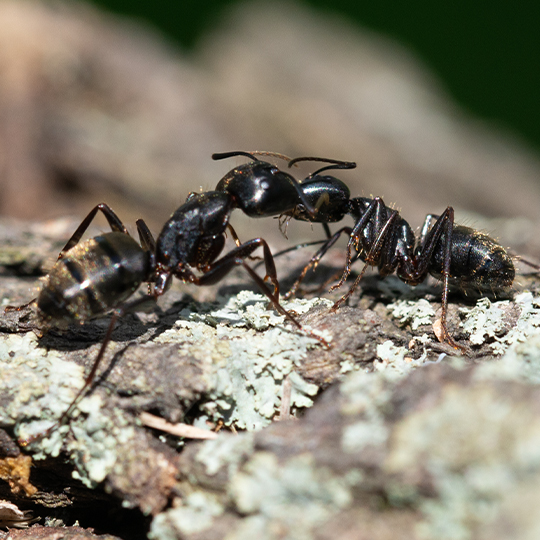
Fall pest prevention requires sealing exterior entry points, maintaining your yard, controlling moisture, and adjusting indoor habits before temperatures drop. Homeowners who complete these steps in early autumn significantly reduce the likelihood of mice, rats, spiders, ants, and other pests moving indoors for the winter.
When the air turns crisp and leaves start falling, pests start planning. Rodents scout for warm shelter weeks before the first frost. Spiders migrate indoors as their outdoor prey disappears. Ants, stink bugs, and overwintering beetles follow the same instinct—find warmth, find food, and stay hidden until spring.
Most homeowners don’t notice the problem until it’s already inside the walls. A single mouse can squeeze through a gap the size of a dime. Carpenter ants exploit the smallest crack in a window frame. By the time you spot evidence of an infestation, the colony has usually been established for weeks.
The good news? A systematic approach—covering your home’s exterior, yard, moisture levels, and daily habits—can stop pests before they ever cross your threshold. This checklist walks you through every step, from roofline to basement, so nothing gets missed this season.
Why Fall Is the Most Critical Season for Pest Prevention
Summer gets more attention for bug activity, but fall is when the real risk of indoor infestations spikes. Dropping temperatures trigger survival behavior across dozens of pest species. Mice and rats begin actively seeking insulated spaces. Cockroaches, which thrive in warm, humid environments, push deeper into buildings as outdoor conditions deteriorate.
According to the National Pest Management Association (NPMA), rodents alone invade approximately 21 million U.S. homes each winter, typically entering through gaps around pipes, vents, and foundations. Proactive prevention in September and October—before the first hard frost—is far more effective than reactive treatment in December.
The other reason fall matters: most overwintering pests don’t cause immediate visible damage. They hibernate quietly inside wall cavities, attics, and crawl spaces, then re-emerge in spring ready to breed. Preventing entry now stops the cycle entirely.
Exterior Sealing: Closing Every Entry Point Pests Use to Get Inside
How do pests get into homes in the fall?
Pests exploit structural gaps that most homeowners never think to inspect. Common entry points include:
- Foundation cracks — Even hairline cracks provide access for ants, centipedes, and small rodents
- Gaps around utility pipes — Where plumbing, gas, and electrical lines enter the building
- Roof vents and soffit gaps — Entry points for squirrels, bats, and insects
- Door and window frames — Worn weatherstripping creates gaps large enough for mice
- Chimney openings — Uncapped chimneys invite raccoons, birds, and bats
What materials should homeowners use to seal pest entry points?
|
Entry Point |
Recommended Sealant |
Notes |
|---|---|---|
|
Foundation cracks |
Concrete patching compound |
Check after winter frost heave |
|
Pipe penetrations |
Steel wool + expandable foam |
Steel wool prevents gnawing |
|
Door gaps |
Door sweep + weatherstripping |
Replace if compressible material is worn |
|
Window frames |
Silicone caulk |
UV-resistant for exterior use |
|
Vents and soffits |
Hardware cloth (1/4-inch mesh) |
Durable and rodent-proof |
|
Chimney |
Commercial chimney cap |
Stainless steel preferred |
Work systematically from the roofline down to the foundation. Use a flashlight to inspect less obvious spots—the junction between your siding and foundation, around basement window wells, and underneath exterior doors. Pay particular attention to any area where two different building materials meet, since those joints tend to shift over time and open up gaps.
Yard and Landscape Maintenance That Reduces Pest Pressure
Which yard conditions attract fall pests to homes?
Pests don’t materialize at your doorstep randomly—they follow food, shelter, and pathways that lead there. Your yard either amplifies or reduces that risk.
High-risk yard conditions include:
- Firewood stacked against the house (provides harborage for rodents, termites, and ants)
- Dense ground cover or mulch directly against the foundation
- Leaf piles left close to the home through October and November
- Overhanging tree branches that touch or nearly touch the roofline
- Bird feeders within 20 feet of the house
Corrective steps to take this fall:
- Move firewood at least 20 feet from the home’s exterior and store it elevated off the ground
- Pull mulch back 6 inches from the foundation perimeter
- Clear leaves promptly—don’t let them accumulate against siding or in basement window wells
- Trim branches so they don’t touch the roof or overhang siding
- Relocate bird feeders away from the home, or temporarily remove them in fall and winter
These aren’t cosmetic changes. Each one removes a resource or pathway that pests depend on to reach your home.
Moisture Control: Why Damp Areas Are Pest Magnets
Why does moisture attract pests into homes during fall?
Moisture is one of the most reliable pest attractants—and one of the most overlooked. Cockroaches require humidity to survive. Silverfish and centipedes actively seek damp environments. Carpenter ants excavate wet or water-damaged wood because it’s easier to tunnel through. Even rodents are drawn to areas with reliable water sources.
Fall introduces specific moisture risks: gutters clogged with leaves overflow and send water against the foundation; condensation increases in basements and crawl spaces as temperature differentials widen; and damaged roof shingles allow water to seep into attic spaces where pests readily nest.
Fall moisture control checklist:
- Clean gutters and downspouts — Remove leaf debris and ensure downspouts direct water at least 3 feet from the foundation
- Inspect crawl spaces — Look for standing water, damaged vapor barriers, or wood-to-soil contact
- Run a dehumidifier in the basement — Maintain humidity below 50% to deter moisture-dependent pests
- Fix leaky faucets and pipe joints — Even slow drips create persistent moisture under sinks and behind walls
- Check the washing machine hose — A common source of slow leaks that go undetected for months
- Redirect sprinkler heads — Ensure irrigation doesn’t spray against the foundation or siding
|
Moisture Source |
Pest Risk |
Fix |
|---|---|---|
|
Clogged gutters |
Mosquitoes, carpenter ants, termites |
Clean and inspect bi-annually |
|
Crawl space moisture |
Mold mites, rodents, cockroaches |
Install or repair vapor barrier |
|
Basement humidity |
Silverfish, centipedes, cockroaches |
Dehumidifier + improved ventilation |
|
Dripping pipes |
Cockroaches, rodents |
Repair immediately |
|
Pooling water near foundation |
Termites, ants |
Regrade soil; check drainage |
Indoor Habits That Keep Pests From Settling In
What indoor changes reduce pest infestations in the fall and winter?
Sealing the exterior and managing your yard addresses the access problem. Indoor habits determine whether pests that do get in have any reason to stay—or any resources to survive on.
Food and waste management:
- Store dry goods (grains, cereals, pet food) in sealed, hard-sided containers rather than original packaging
- Clean behind appliances—stoves, refrigerators, and dishwashers accumulate food debris that sustains cockroach colonies
- Empty kitchen trash daily or use a bin with a secure lid
- Don’t leave pet food bowls out overnight
- Wipe down counters and sweep floors consistently, especially after cooking
Clutter reduction:
Cardboard boxes are one of the most underrated pest risks. Cockroaches and rodents both nest in cardboard, and cluttered storage areas give pests undisturbed harborage for months. Switch to plastic totes in garages, basements, and attic storage areas. Keep storage organized so problems become visible early.
Seasonal gear inspection:
Before bringing seasonal items indoors—holiday decorations, camping equipment, outdoor furniture cushions—inspect them thoroughly. Pests, particularly spiders, brown recluses, and rodents, frequently nest in stored items that haven’t been touched since spring.
A Quick-Reference Fall Pest Prevention Checklist
Use this summary checklist to track your progress. Complete all tasks before temperatures consistently drop below 50°F in your area.
|
Category |
Task |
Done? |
|---|---|---|
|
Exterior Sealing |
Inspect and seal foundation cracks |
☐ |
|
Exterior Sealing |
Seal gaps around utility pipes with steel wool + foam |
☐ |
|
Exterior Sealing |
Install or replace door sweeps and weatherstripping |
☐ |
|
Exterior Sealing |
Cover roof vents and soffits with hardware cloth |
☐ |
|
Exterior Sealing |
Cap chimney if uncapped |
☐ |
|
Yard Maintenance |
Move firewood 20+ feet from home |
☐ |
|
Yard Maintenance |
Pull mulch back from foundation |
☐ |
|
Yard Maintenance |
Clear leaf piles near the home |
☐ |
|
Yard Maintenance |
Trim overhanging branches |
☐ |
|
Moisture Control |
Clean gutters and extend downspouts |
☐ |
|
Moisture Control |
Inspect crawl space for moisture |
☐ |
|
Moisture Control |
Run dehumidifier in basement |
☐ |
|
Moisture Control |
Fix leaky faucets and pipes |
☐ |
|
Indoor Habits |
Transfer dry goods to sealed containers |
☐ |
|
Indoor Habits |
Clean behind appliances |
☐ |
|
Indoor Habits |
Replace cardboard storage boxes with plastic totes |
☐ |
|
Indoor Habits |
Inspect seasonal items before bringing indoors |
☐ |
When to Call a Professional Pest Control Service
DIY prevention handles the vast majority of fall pest pressure—but there are situations where professional intervention is the smarter call.
Contact a licensed pest control professional if you:
- Find droppings, gnaw marks, or nesting material that suggests an active infestation is already established
- Hear scratching sounds in walls or ceilings, particularly at night
- Discover termite mud tubes near the foundation or damaged structural wood
- Spot signs of carpenter ant activity (sawdust-like frass near wood structures)
- Have a recurring rodent problem that returns each winter despite your prevention efforts
A licensed pest management professional can also conduct a formal inspection to identify vulnerabilities you may have missed, and apply targeted treatments where appropriate. The NPMA’s directory at PestWorld.org allows homeowners to find certified professionals by zip code.
Start Your Prevention Routine Before the Cold Weather Arrives
Fall pest prevention works best when it’s front-loaded. Tackle the exterior sealing and yard maintenance in early September, address moisture issues in October, and reinforce indoor habits throughout the season. That sequence gives you the best protection window before pests begin actively seeking winter shelter.
No single step on this list is particularly difficult or expensive. The challenge is completing all of them—consistently. A gap in the foundation goes unfixed, mulch stays against the siding, and three weeks later a mouse finds the exact path it needed. Systematic prevention closes those gaps before pests do.
Walk the exterior of your home this weekend with a flashlight and a tube of caulk. You’ll likely find more than you expected—and be glad you looked before the first frost.
Frequently Asked Questions About Fall Pest Prevention
What pests are most common in homes during fall and winter?
The most common fall invaders include house mice, Norway rats, German cockroaches, brown recluse spiders, stink bugs, boxelder bugs, and overwintering ants such as carpenter ants and pavement ants. Rodents are the highest-priority concern due to their ability to cause structural damage and spread disease.
How early in fall should homeowners start pest-proofing their home?
Start in early September, before temperatures drop below 50°F at night. Many pest species—particularly rodents—begin scouting for indoor shelter several weeks before cold weather arrives. Starting prevention early gives you the largest protective window.
Can pests enter a home through dryer vents and bathroom exhaust fans?
Yes. Dryer vents, bathroom exhaust fans, range hoods, and attic vents are all potential entry points. Cover these with manufacturer-approved vent covers that include flaps or mesh screens. Check that existing covers are intact and closing fully when not in use.
Does landscaping mulch attract pests to a home’s foundation?
Organic mulch retains moisture and provides cover, making it attractive to ants, cockroaches, centipedes, and rodents. Maintaining a 6-inch gap between mulch and the foundation significantly reduces this risk. Inorganic mulch options, such as gravel or rubber, don’t retain moisture and are less hospitable to pests.
How do I know if I have a mouse infestation rather than just one mouse?
Mice rarely travel alone. Signs of an active infestation include multiple droppings in concentrated areas, gnaw marks on food packaging or structural materials, grease marks along baseboards (caused by repeated travel along the same path), and nesting material (shredded paper, insulation, or fabric) in dark, enclosed spaces. If you find any two of these indicators together, treat it as an infestation.
Is professional pest control necessary for fall prevention, or can homeowners do it themselves?
Most fall prevention tasks are well within DIY capability. Physical exclusion—sealing gaps, installing door sweeps, clearing harborage—is the most effective long-term strategy and doesn’t require professional application. Professional pest control becomes necessary when an active infestation is already present, when structural vulnerabilities require expert assessment, or when pest pressure is severe enough to warrant targeted chemical treatment.