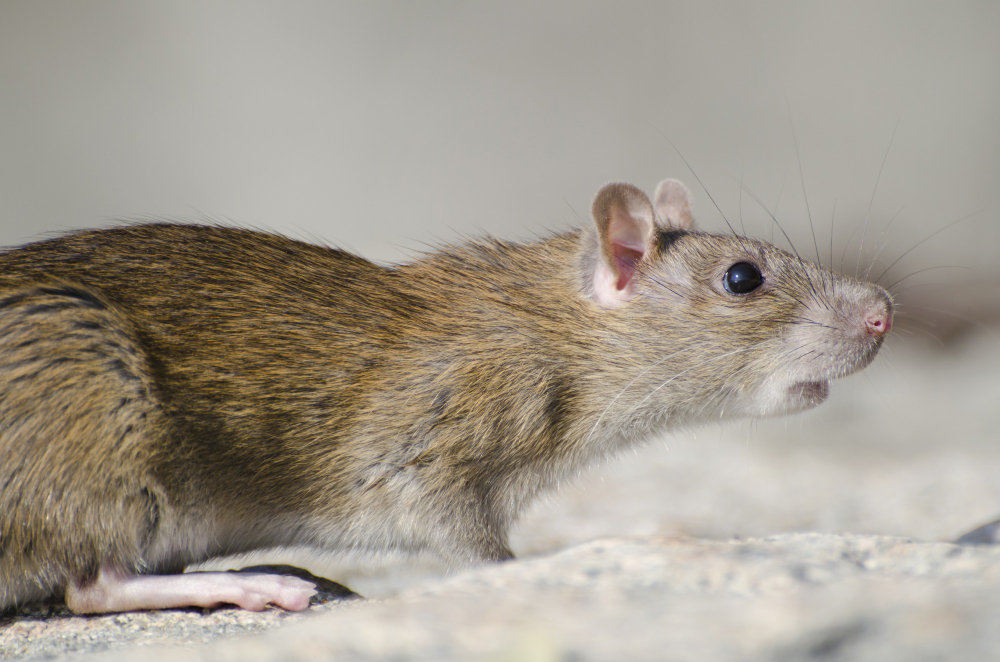
Finding rodent droppings in your home is more than just unpleasant—it’s a serious health concern. Those small, dark pellets scattered in corners, cabinets, or attics can carry dangerous pathogens that pose significant risks to you and your family. Two of the most concerning diseases transmitted through rodent waste are hantavirus and salmonella, both capable of causing severe illness and, in some cases, death.
Understanding these risks is the first step toward protecting your household. This guide will help you identify rodent droppings, explain the health dangers they present, and provide practical steps for safe cleanup and prevention.
Why Rodent Droppings Are a Serious Health Threat
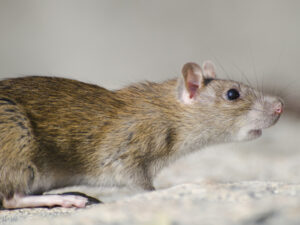
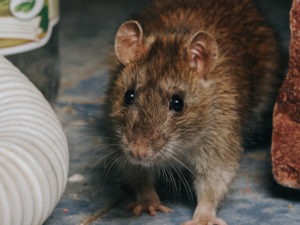
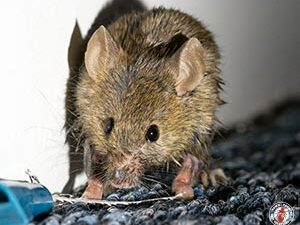
Rodents like mice and rats are common household pests, but their presence brings more than just property damage. Their droppings, urine, and saliva can harbor harmful bacteria and viruses that contaminate surfaces, food, and air quality.
The danger isn’t limited to direct contact. Simply disturbing dried droppings can release airborne particles that you might inhale. This makes cleanup particularly hazardous without proper precautions.
Two diseases stand out for their severity and prevalence:
Hantavirus Pulmonary Syndrome (HPS): A rare but life-threatening respiratory disease primarily spread by deer mice in North America.
Salmonellosis: A bacterial infection causing gastrointestinal distress, transmitted when rodent feces contaminate food or surfaces.
Both conditions require immediate medical attention and can lead to serious complications if left untreated.
Understanding Hantavirus: Symptoms and Transmission
Hantavirus pulmonary syndrome is caused by several strains of hantavirus found in rodent populations across the Americas. The virus spreads when people breathe in air contaminated with rodent urine, droppings, or saliva—often during cleaning activities in enclosed spaces like sheds, garages, or basements.
How Hantavirus Spreads
Transmission typically occurs through:
- Inhalation: Breathing in dust particles contaminated with rodent waste
- Direct contact: Touching your mouth or nose after handling contaminated materials
- Bite wounds: Though rare, bites from infected rodents can transmit the virus
The virus cannot spread from person to person, which means your primary risk comes from environments where rodents have been active.
Early Warning Signs
Hantavirus symptoms appear suddenly, usually one to five weeks after exposure. Early symptoms mimic the flu and include:
- High fever and chills
- Severe muscle aches, particularly in the thighs, hips, and back
- Headaches and dizziness
- Nausea, vomiting, and abdominal pain
- Fatigue
When Symptoms Become Critical
Within four to ten days, HPS can progress rapidly. Late-stage symptoms include:
- Coughing and shortness of breath
- Fluid accumulation in the lungs
- Dangerously low blood pressure
- Respiratory failure
The mortality rate for hantavirus pulmonary syndrome is approximately 38%, making early detection and medical intervention crucial. If you’ve been exposed to rodent droppings and develop flu-like symptoms, seek medical care immediately.
Salmonella: A Common but Dangerous Infection
Salmonella bacteria thrive in the intestinal tracts of many animals, including rodents. When mice or rats defecate on food preparation surfaces, stored food, or utensils, they create opportunities for contamination.
How Salmonella Spreads Through Rodent Waste
Unlike hantavirus, salmonella typically enters the body through ingestion rather than inhalation. Common transmission routes include:
- Consuming food contaminated by rodent droppings
- Touching contaminated surfaces and then handling food
- Using cooking utensils or dishes exposed to rodent waste
Children, elderly individuals, and those with weakened immune systems face the highest risk of severe complications.
Recognizing Salmonella Symptoms
Salmonellosis symptoms usually develop within 12 to 72 hours after exposure and include:
- Diarrhea (sometimes bloody)
- Abdominal cramping and pain
- Fever ranging from 100°F to 102°F
- Nausea and vomiting
- Headache
Most people recover within four to seven days without medical treatment. However, severe cases can lead to dehydration, bloodstream infections, and conditions like reactive arthritis.
When to Seek Medical Help
Contact a healthcare provider if you experience:
- Diarrhea lasting more than three days
- High fever above 102°F
- Blood in stool
- Signs of dehydration (excessive thirst, dry mouth, reduced urination)
Young children and immunocompromised individuals should receive prompt medical evaluation even with mild symptoms.
Identifying Rodent Droppings in Your Home
Recognizing rodent droppings helps you assess the severity of an infestation and take appropriate action. Different species leave distinct signs.
Mouse Droppings
Mouse droppings are small, measuring about 1/8 to 1/4 inch long. They’re dark brown or black with pointed ends, resembling grains of rice. Fresh droppings appear moist and soft, while older ones become dry and crumbly.
Common locations include:
- Kitchen cabinets and drawers
- Behind appliances
- Along baseboards
- In attics and storage areas
Rat Droppings
Rat droppings are significantly larger, ranging from 1/2 to 3/4 inch in length. They have blunt ends and a thicker, capsule-like shape. Like mouse droppings, they’re dark in color but easier to spot due to their size.
Look for rat droppings in:
- Basements and crawl spaces
- Near garbage bins
- Along walls and in corners
- Around water sources
The number of droppings indicates infestation severity. A few scattered pellets suggest recent rodent activity, while large accumulations point to an established colony.
Safe Cleanup Procedures for Rodent Droppings
Improper cleanup can increase your exposure to dangerous pathogens. Follow these steps to minimize risk:
Before You Begin
Ventilate the area: Open windows and doors for at least 30 minutes before starting cleanup.
Wear protective gear: Use rubber gloves, a mask (N95 respirator preferred), and safety goggles.
Never sweep or vacuum: These methods stir up contaminated dust particles, increasing inhalation risk.
Step-by-Step Cleanup Process
- Spray the area thoroughly: Mix a solution of one part bleach to ten parts water. Spray droppings, nesting materials, and surrounding surfaces. Let it sit for five minutes.
- Remove waste carefully: Use paper towels to pick up droppings and nesting materials. Place everything in a plastic bag, seal it, and dispose of it in an outdoor trash bin.
- Clean and disinfect: Mop floors and wipe down surfaces with the bleach solution. Pay special attention to areas where droppings were concentrated.
- Wash contaminated items: Launder bedding, clothing, or fabrics exposed to rodents in hot water with detergent.
- Dispose of protective gear: Remove gloves by turning them inside out. Place them in a sealed bag with other cleanup materials. Wash your hands thoroughly with soap and warm water.
Special Considerations for Heavy Infestations
Large-scale rodent problems often require professional pest control and cleaning services. Professionals have specialized equipment and training to handle contaminated areas safely, particularly in attics, basements, or ventilation systems where exposure risks are higher.
Preventing Future Rodent Infestations
Keeping rodents out of your home protects your health and prevents property damage. Focus on three key strategies: exclusion, sanitation, and monitoring.
Seal Entry Points
Rodents can squeeze through surprisingly small openings—mice need only a dime-sized hole, while rats require a quarter-sized gap. Inspect your home’s exterior and seal potential entry points:
- Install weather stripping on doors and windows
- Cover vents with fine mesh screens
- Fill cracks and holes with steel wool and caulk
- Repair damaged screens and foundation cracks
Eliminate Food Sources
Rodents are opportunistic feeders attracted to accessible food:
- Store pantry items in sealed glass or plastic containers
- Clean up spills and crumbs immediately
- Keep pet food in secure containers and remove uneaten portions
- Use trash cans with tight-fitting lids
- Harvest garden produce promptly and clean up fallen fruit
Remove Shelter Opportunities
Reduce areas where rodents can nest:
- Declutter basements, attics, and storage areas
- Keep firewood at least 20 feet from your home
- Trim vegetation away from the foundation
- Store boxes and belongings off the floor on shelves
- Remove debris, brush piles, and unused items from your property
Monitor for Signs of Activity
Regular inspections help you catch problems early:
- Check for droppings in common areas monthly
- Look for gnaw marks on food packaging or structural materials
- Listen for scratching sounds in walls or ceilings at night
- Watch for signs of nesting materials like shredded paper or fabric
What to Do If You’ve Been Exposed
If you believe you’ve been exposed to hantavirus or salmonella through rodent droppings, taking quick action can prevent serious complications.
For Hantavirus Exposure
Monitor yourself closely for symptoms over the next six weeks. Early treatment significantly improves outcomes, so seek immediate medical attention if you develop:
- Sudden onset of fever with severe muscle aches
- Unexplained shortness of breath
- Flu-like symptoms after cleaning rodent-infested areas
Tell your healthcare provider about the potential exposure. Early hospitalization provides supportive care that can be life-saving.
For Salmonella Exposure
Most salmonella infections resolve on their own, but stay vigilant:
- Drink plenty of fluids to prevent dehydration
- Rest and avoid preparing food for others until symptoms resolve
- Contact your doctor if symptoms worsen or persist beyond a few days
Document when and where exposure occurred, as this information helps healthcare providers make accurate diagnoses.
Protecting Your Home and Health
Rodent droppings represent a genuine health hazard that shouldn’t be taken lightly. Both hantavirus and salmonella can cause serious illness, but with proper knowledge and precautions, you can minimize your risk.
Regular home maintenance, vigilant monitoring, and safe cleanup practices form your best defense against rodent-borne diseases. When you spot signs of rodent activity, act quickly. The sooner you address an infestation, the less likely you are to face health consequences.
If you’re dealing with a significant rodent problem or feel uncomfortable handling cleanup yourself, professional pest control services provide expertise and peace of mind. Your health is worth the investment.
Stay alert, stay safe, and remember—those small droppings carry big risks that demand your attention.