
For many homeowners, the basement or crawl space is little more than a storage unit for holiday decorations or a place to house the furnace. It’s the part of the home we visit the least. Unfortunately, this “out of sight, out of mind” mentality makes these subterranean levels the perfect real estate for uninvited guests.
Dark, damp, and relatively undisturbed, these areas mimic the natural habitats of many insects and rodents. While you are upstairs living your life, a thriving ecosystem could be developing right beneath your feet. Identifying these pests is the first step toward eviction. Here is a guide to the creatures most likely to invade your home’s lower levels and what their presence tells you about the health of your house.
Why Pests Love Your Basement
To understand how to stop infestations, you first need to understand the attraction. Most pests have three basic survival needs: food, water, and shelter. Your basement or crawl space offers an abundance of all three.
These spaces are often humid or prone to moisture issues, providing the hydration many insects require to survive. They are temperature-controlled compared to the outdoors, offering warmth in the winter and a cool retreat in the summer. Finally, they are usually cluttered or filled with exposed insulation and wood, offering endless hiding spots and nesting materials.
The Rodents: Mice and Rats
Rodents are perhaps the most destructive pests found in lower levels. Both the House Mouse and the Norway Rat are frequent basement dwellers. They are incredibly agile and can squeeze through impossibly small openings; a mouse needs a hole only the size of a dime, while a rat can fit through a quarter-sized gap.
Why they are there: They are looking for warmth and nesting materials. Basements often contain cardboard boxes, fiberglass insulation, and paper, which are perfect for building nests.
Signs of trouble:
- Droppings: Small, dark pellets found along walls or in corners.
- Gnaw marks: Rodents must chew to keep their teeth sharp. Look for damage on wires, plastic storage bins, and wooden beams.
- Insulation damage: If your fiberglass insulation looks torn or is hanging down from the floor joists, something has likely been nesting in it.
The Moisture Lovers: Silverfish and Centipedes
If your basement feels damp or smells musty, you likely have a population of moisture-loving insects. These creatures are biological indicators that your humidity levels are too high.
Silverfish
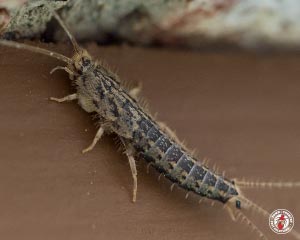
These prehistoric-looking, teardrop-shaped insects are silver-blue and move with a wiggling motion. They require high humidity levels to survive. While they don’t bite humans, they can damage property. Silverfish feed on carbohydrates, specifically starches and dextrin found in adhesives. This means they will eat wallpaper glue, book bindings, and photos stored in your basement.
House Centipedes
Few things are as startling as seeing a house centipede dart across the floor. With 15 pairs of long legs and incredible speed, they look terrifying. However, the house centipede is actually a predator. They don’t eat your house; they eat the other bugs in your house. If you see centipedes, it usually means there is a steady food supply of other insects nearby. Like silverfish, they require a damp environment to prevent their bodies from drying out.
The Scavengers: Cockroaches
Basements are a prime location for the Oriental Cockroach (often called “water bugs”) and the American Cockroach. Unlike the smaller German Cockroach that typically infests kitchens, these larger species prefer cool, damp, and dark environments.
Why they are there: They often enter through drains, sump pumps, or cracks in the foundation. They feed on decaying organic matter and thrive in wet conditions.
The risk: Roaches are more than just a nuisance; they are a health hazard. They carry bacteria like E. coli and Salmonella on their bodies, spreading pathogens wherever they crawl. Additionally, their droppings and shedding skins are potent allergens that can trigger asthma attacks, particularly in children.
The Structural Threats: Termites and Carpenter Ants
While spiders and crickets are annoying, wood-destroying insects are a financial nightmare. These pests attack the structural integrity of your home, often causing thousands of dollars in damage before they are even detected.
Subterranean Termites
These are the most common type of termite in the US. They live in the soil underground and build “mud tubes” to travel from the ground to the wood of your home without being exposed to the air. Your basement or crawl space is their primary entry point.
Signs of trouble:
- Mud tubes running up the foundation walls.
- Wood that sounds hollow when tapped.
- Discarded wings near windows or doors (from a swarm).
Carpenter Ants
Unlike termites, carpenter ants do not eat wood. Instead, they excavate it to build nests. They prefer wood that has been softened by water damage or rot, making a damp basement an ideal target. If you see large black ants foraging in your basement or notice small piles of sawdust (frass) beneath wooden beams, you may have a colony nesting in your joists.
The Jumpers: Camel Crickets
Also known as “cave crickets” or “spider crickets,” these pests are common in crawl spaces and unfinished basements. They have high, arched backs and long legs, giving them a spider-like appearance. When frightened, they leap aggressively, often toward the person startling them (though this is a defense mechanism, not an attack).
Camel crickets are scavengers that will eat fabrics, cardboard, and even other dead insects. They congregate in large numbers, and their presence is almost always a sign that the area is too humid.
The Hunters: Spiders
Spiders are generally in your basement for one reason: to eat the other pests listed above. The common House Spider is harmless, but depending on your region, you may encounter the Brown Recluse or the Black Widow.
Spiders prefer quiet, undisturbed corners where they can build webs to catch prey. While most are beneficial in controlling other insect populations, a large number of spiders indicates a large number of prey insects. To get rid of the spiders, you must first get rid of their food source.
Reclaiming Your Space: Prevention and Control
Eradicating pests from a basement or crawl space isn’t just about setting traps; it’s about changing the environment so it no longer supports pest life.
Control the Moisture
This is the single most effective step you can take. Insects cannot survive without water.
- Install a dehumidifier: Keep the relative humidity below 50%.
- Fix leaks: Repair dripping pipes or leaky windows immediately.
- Encapsulation: For crawl spaces, consider a vapor barrier or full encapsulation to separate the house from the damp earth below.
Seal the Perimeter
Practice “exclusion”—the process of physically blocking pests from entering.
- Seal cracks: Use silicone caulk or spray foam to fill cracks in the foundation and gaps around utility pipes (where water, gas, and electric lines enter the house).
- Door sweeps: Ensure the door leading to the basement (or the exterior cellar doors) seals tightly against the floor.
Declutter and Clean
Remove the shelter pests crave.
- Ditch the cardboard: Store items in sealed plastic bins rather than cardboard boxes, which provide nesting material for mice and food for silverfish.
- Clear the perimeter: Keep mulch and vegetation at least a foot away from your home’s foundation to reduce the number of pests right outside your walls.
Protect Your Home from the Bottom Up
Your basement or crawl space is the foundation of your home, literally and figuratively. Ignoring the creatures that inhabit it can lead to structural damage, poor air quality, and widespread infestation in the upper levels of your house.
By identifying the specific pests roaming your lower levels, you can diagnose the underlying issues—whether it’s a moisture problem, a structural gap, or simply too much clutter. Regular pest inspections and proactive moisture control are your best defenses, ensuring your home remains safe, dry, and strictly for human inhabitants.


