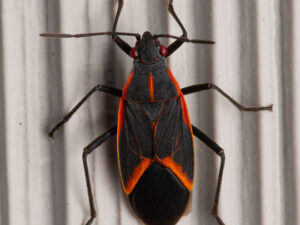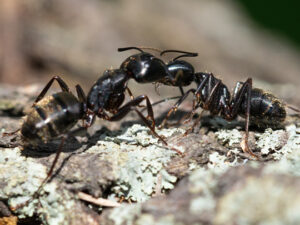
As the temperatures drop and the first frost settles on the grass, most of us breathe a sigh of relief. The mosquitoes are gone, the wasps have disappeared, and the ants have seemingly packed up for the season. It’s a common misconception that winter means a break from pest control. While the outdoor insect activity certainly quiets down, the battle for your home’s interior is just beginning.
Pests are driven by the same basic needs as humans: food, water, and shelter. When the outdoors becomes a frozen wasteland, your heated home transforms into a beacon of survival. It provides a stable temperature and an abundance of resources. Unfortunately, this migration often happens silently. You might not notice you have roommates until they have already established a colony in your attic, basement, or inside your walls.
Understanding which pests are looking to move in is the first line of defense. By knowing what to look for, you can seal the entry points and protect your pantry before the snow truly sets in. Here is a comprehensive guide to the winter invaders that might be eyeing your property this season.
Rodents: The Silent Destroyers
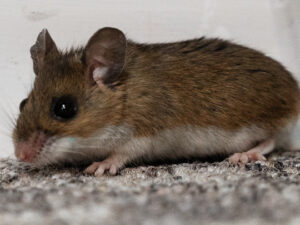
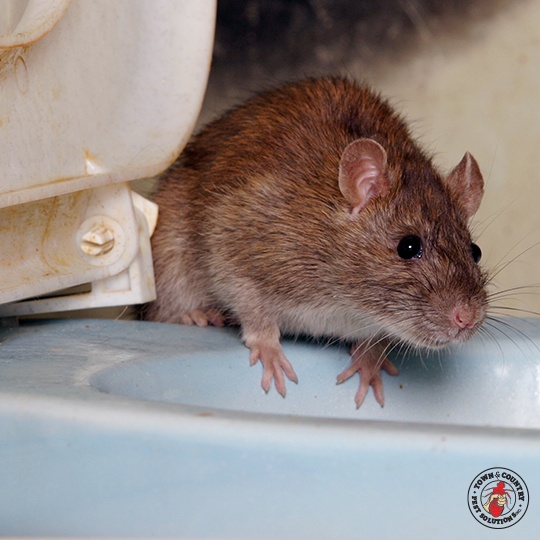
Mice and rats are arguably the most common and problematic winter pests. They are warm-blooded mammals, meaning they are highly sensitive to cold temperatures. As soon as the thermometer dips, they begin scanning building exteriors for any weakness.
Why They Are Dangerous
Rodents are not just a nuisance; they are a legitimate threat to property and health. They are capable of squeezing through impossibly small openings—a mouse can fit through a hole the size of a dime, while a rat needs only the size of a quarter. Once inside, their teeth never stop growing, compelling them to gnaw on everything to keep them filed down. This includes structural wood, insulation, and, most dangerously, electrical wiring. It is estimated that a significant percentage of “undetermined” house fires are caused by rodents chewing through wires inside walls.
Beyond the physical damage, rodents are vectors for disease. Hantavirus, salmonella, and leptospirosis can all be transmitted through their droppings, urine, or saliva.
Signs of Infestation
- Droppings: Small, dark pellets found in cupboards, along baseboards, or near food sources.
- Gnaw marks: Fresh chewing on food packaging or wooden structures.
- Scratching sounds: Noises in the walls or ceilings, particularly at night when the house is quiet.
- Nesting material: Shredded paper, fabric, or dried plant matter gathered in secluded corners.
Cockroaches: The Resilient Scavengers
While many insects go dormant (diapause) in the winter, cockroaches remain active if they can find a warm environment. The German cockroach is the most common species found indoors and is notoriously difficult to eliminate once established.
Unlike rodents, roaches don’t necessarily need to “break in” during winter; they may have already been there in small numbers. However, the drop in humidity can drive them deeper into the damp areas of your home, such as kitchens and bathrooms, making their presence more obvious.
They gravitate towards moisture and heat. You will often find them near dishwasher motors, under sinks, and behind refrigerators. They are hitchhikers, often entering homes inside grocery bags, cardboard boxes, or second-hand appliances. Because they reproduce rapidly, seeing one usually indicates that many more are hiding just out of sight.
Spiders: The accidental Houseguests
Spiders generally prefer to stay outdoors where insects are plentiful. However, some species, like the House Spider, adapt well to indoor life. Furthermore, outdoor spiders may wander inside while searching for a mate or hunting for prey that has also moved indoors.
What Draws Them In?
Spiders are predators. If you are seeing a lot of spiders in your home during the winter, it is often a symptom of a different pest problem. They are there because there is a food source—likely flies, silverfish, or other small insects hiding in your dark corners.
While most house spiders are harmless and actually help control other bug populations, the Brown Recluse and Black Widow are species to be wary of. They prefer undisturbed, cluttered areas. Winter is often when we pull holiday decorations out of attics, basements, or garages, putting us in direct contact with these darker, quieter spaces where spiders hide.
Silverfish: The Humidity Lovers
Silverfish are ancient, primitive insects that thrive in high humidity. Winter heating systems often dry out the air in a home, which drives silverfish toward the remaining pockets of moisture. This usually leads them to bathrooms, laundry rooms, and basements.
They feed on carbohydrates, particularly sugars and starches. This makes your books, wallpaper, photos, and clothing potential targets. If you open a box of old winter clothes and find small holes or yellow stains, silverfish might be the culprit. They are nocturnal and move quickly, making them difficult to spot during the day.
Bed Bugs: The Holiday Travelers
Bed bugs are not strictly a “winter pest” in the biological sense—they don’t care about the weather outside. However, their populations often spike in residential homes during the winter months. This is largely due to increased travel.
Winter is the season of holidays, family visits, and vacations. Bed bugs are master hitchhikers. They latch onto luggage, coats, and purses in hotels, airports, or guest rooms, and then ride back to your house. Once introduced, they settle into mattresses, box springs, and furniture crevices. A bed bug infestation is difficult to handle with DIY methods and usually requires professional heat treatments or chemical applications.
How to Pest-Proof Your Home for Winter
The best offense is a good defense. You can make your home far less attractive to these invaders by taking a few preventative steps before the deep freeze arrives.
Seal the Perimeter
Take a walk around the exterior of your house. Look for cracks in the foundation, gaps around pipes and vents, and loose weather stripping around doors and windows. Use steel wool to plug small holes (mice can’t chew through it) and seal them in place with caulk.
Manage Firewood
Firewood is a natural shelter for insects and spiders. If you stack it directly against your house, you are essentially building a bridge for pests to enter your siding. Keep firewood stacked at least 20 feet away from the home and elevated off the ground. Only bring in enough wood for one or two days to minimize the chance of pests thawing out and exploring your living room.
Control Moisture
Repair any leaking pipes or faucets immediately. In damp areas like basements or attics, consider running a dehumidifier. By reducing the moisture levels, you make the environment hostile to silverfish and cockroaches.
Declutter Storage Areas
Pests love clutter because it provides safety. If your basement or attic is filled with loose piles of cardboard boxes and clothes, you are creating a rodent hotel. Switch to sealed plastic bins for storage. This not only keeps pests out of your belongings but also removes the cardboard and paper they use for nesting material.
Frequently Asked Questions
Do bugs die in the winter?
Many insects do die when temperatures drop below freezing, but most species have survival strategies. Some migrate, some enter a state of dormancy called diapause (similar to hibernation), and others, like the pests mentioned above, simply move indoors to survive the cold.
Why do I hear scratching in my walls only at night?
Most rodents, including mice and rats, are nocturnal. They sleep during the day and forage for food at night. The scratching you hear is likely them moving through wall voids or chewing on nesting materials.
Can I treat a winter infestation myself?
For minor issues, traps and sealants can be effective. However, if you are dealing with termites, bed bugs, or a large rodent population, DIY methods often fail to address the root of the problem. If you see signs of a rapidly growing population, professional intervention is usually more cost-effective in the long run.
Don’t Let Pests Hibernate in Your Home
Winter should be a time for cozying up by the fire, not worrying about what is scurrying behind the drywall. By remaining vigilant and understanding the habits of these winter wanderers, you can maintain a secure and sanitary environment.
Keep an eye out for the tell-tale signs of intrusion. If you suspect that pests have already breached your defenses, don’t wait for spring to handle it. Rodents and insects reproduce quickly, and a small problem in January can become a major infestation by February. Take action now to ensure your home remains yours alone this season.