
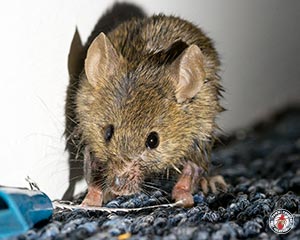
There is a specific kind of dread that comes with hearing a scratching noise in your walls at 2:00 AM. It starts as a subtle rustle, perhaps just the house settling, but then it becomes unmistakable: tiny claws scurrying above your ceiling or behind your kitchen cabinets. For homeowners in New York, where the changing seasons often drive wildlife indoors, this is an all-too-common nightmare.
You might rush to the hardware store, buy a handful of snap traps, and place them along the baseboards with a smudge of peanut butter. Maybe you catch one or two. But a week later, the scratching returns—louder and more frequent than before. The truth is, spotting a single mouse or rat is rarely an isolated incident; it is often the visible tip of a much larger, hidden infestation.
Rodents are not just a nuisance; they are intelligent, adaptable survivors that can compromise your home’s safety and your family’s health. Effectively keeping them out requires more than a few traps—it requires a strategy. In this guide, we will explore why rodents choose your home, the dangers they pose, and how professional prevention from Town and Country Pest Solutions provides the peace of mind that DIY methods simply cannot match.
The Hidden Dangers of a Rodent Infestation
Many homeowners view mice as harmless, albeit annoying, visitors. However, the presence of rodents carries significant risks that go beyond the “ick” factor. Understanding these dangers is the first step in realizing why professional intervention is often necessary.
Health Risks and Disease Transmission
Rats and mice are vectors for a variety of serious diseases. They can transmit illnesses directly through bites or, more commonly, through their droppings, urine, and saliva. Hantavirus, for example, is a severe respiratory disease transmitted when dried urine or feces are disturbed and inhaled—something that can happen easily when cleaning out an attic or basement. Salmonellosis and Leptospirosis are other bacterial infections commonly spread by rodents contaminating food sources and surfaces in your kitchen.
Structural Damage and Fire Hazards
Perhaps the most immediate threat rodents pose is to the structure of your home. Rodents have teeth that never stop growing, which forces them to gnaw constantly to keep them filed down. They will chew through wood, drywall, insulation, and, most dangerously, electrical wiring. It is estimated that a significant percentage of “undetermined” house fires in the United States are caused by rodents chewing through wires inside walls, creating a silent fire hazard that is difficult to detect until it is too late.
Why Your Home? Understanding Rodent Behavior
To stop an enemy, you must understand them. Rats and mice don’t invade homes out of malice; they do it for survival. Your home offers three things they desperately need, especially during the harsh New York winters: warmth, shelter, and food.
The Entry Points You Don’t See
You might think your home is sealed tight, but a mouse can squeeze through a hole the size of a dime, and a rat needs an opening only the size of a quarter. They exploit gaps around utility pipes, cracks in the foundation, loose vents, and gaps under garage doors. Once inside, they reproduce rapidly. A single pair of mice can produce dozens of offspring in a single year, turning a minor breach into a full-blown occupation in a matter of months.
The limitations of Store-Bought Solutions
DIY methods usually fail because they address the symptom (the mouse in the kitchen) rather than the disease (the entry points and the nest). Poison baits can be dangerous to pets and children and often lead to rodents dying inside your walls, creating a terrible odor. Glue traps and snap traps might catch the unwary juveniles, but older, smarter rodents often learn to avoid them entirely.
The Town and Country Approach: A Comprehensive Strategy
At Town and Country Pest Solutions, we don’t just set traps and walk away. We believe in a holistic approach to pest management that solves the problem for good. Whether you are in Rochester, Buffalo, or Syracuse, our strategy focuses on elimination, exclusion, and ongoing prevention.
Step 1: Thorough Inspection and Identification
Every home is unique, and so is every infestation. Our licensed technicians begin with a rigorous inspection of your property. We look for:
- Active Signs: Droppings, gnaw marks, rub marks along walls, and nesting materials.
- Entry Points: We identify the specific vulnerabilities in your home’s exterior that are allowing pests to enter.
- Attractants: We help identify environmental factors, such as overgrown vegetation or accessible food sources, that are drawing rodents to your property.
Step 2: Targeted Elimination
Once we understand the scope of the problem, we deploy safe, effective, and humane elimination methods tailored to your specific situation. We prioritize the safety of your family and pets, using tamper-resistant stations and strategic placement to ensure that the only things we are targeting are the pests.
Step 3: Exclusion—Closing the Door for Good
This is the most critical step that DIYers often miss. “Exclusion” means physically altering your home to keep pests out. We seal the cracks, cap the chimneys, and secure the vents. By blocking the entry points we identified during the inspection, we prevent new populations from moving in to replace the ones we removed.
Step 4: The Rodent Program and Everything Package
We offer specialized programs designed to give you year-round protection.
- The Rodent Program: This service provides ongoing mouse and rat protection, ensuring that your home remains a fortress against these invaders.
- The Everything Package: For total peace of mind, our comprehensive package covers over 45 common household pests, including rodents, ants, and stinging insects. It includes seasonal preventative applications and unlimited service calls if pests return.
Prevention Tips for Homeowners
While professional exclusion is the gold standard, there are steps you can take today to make your home less attractive to rodents.
Manage Your Kitchen and Pantry
Rodents have an incredible sense of smell. Keep all dry goods—cereals, grains, pet food—in airtight plastic or glass containers. Cardboard boxes offer zero protection against gnawing teeth. Ensure your garbage cans have tight-fitting lids and are emptied regularly.
Declutter Storage Areas
Basements, attics, and garages are prime real estate for nesting. Piles of cardboard boxes, old clothing, and newspapers provide perfect nesting material. Switch to plastic storage bins and keep items elevated off the floor to reduce hiding spots.
Maintain Your Exterior
Walk around the perimeter of your house. Trim back tree branches that touch the roof, as these act as “highways” for squirrels and rats to access your attic. Keep shrubbery trimmed away from the foundation to eliminate hiding spots near potential entry points.
Why Choose Town and Country Pest Solutions?
When you hire a pest control service, you are inviting them into your personal sanctuary. You need a team that is not only effective but trustworthy.
40,000 Customers Can’t Be Wrong
We are proud to serve Western New York with a track record of excellence. With over 1,150 Google reviews averaging 4.9 stars, our commitment to customer satisfaction is clear. We are your neighbors in Rochester, Buffalo, and Syracuse, and we treat your home with the same care we would treat our own.
The “If They Come Back, So Do We” Guarantee
We stand behind our work. Our specialized programs come with a guarantee: if the pests return between scheduled visits, we will come back to handle the problem at no extra cost. This is the difference between a one-time exterminator and a pest management partner.
Take Back Your Home
Living with rodents is stressful, unsanitary, and unnecessary. You shouldn’t have to share your home with unwanted guests that damage your property and threaten your health.
If you suspect you have a rodent issue, or if you simply want to prevent one from starting, don’t wait for the problem to escalate. Secure your home with the help of the professionals who know New York pests best.


)