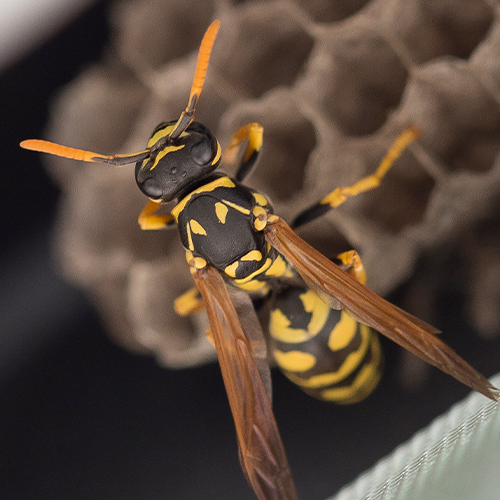
Hearing a faint scratching or buzzing sound coming from your living room wall can be unsettling. When that noise turns out to be a growing colony of stinging insects, a minor annoyance quickly becomes a serious safety hazard. Wasps frequently seek out sheltered, secure locations to build their nests, and the void spaces inside your home’s walls provide an ideal environment.
A hidden wasp nest presents unique challenges compared to a visible nest hanging from a tree or an eave. Because the colony is concealed, it can grow to a massive size before you even realize there is a problem. The insects can eventually chew through the drywall, entering your living spaces and putting your family at risk of painful stings and severe allergic reactions.
Recognizing the early indicators of an infestation allows you to take action before the situation escalates. This guide covers the primary symptoms of a wasp nest inside your walls, why these insects choose your home, and the safest ways to resolve the issue.
Key Indicators You Have a Hidden Wasp Nest
Wasps leave several clues when they move into your home. Paying attention to these physical and auditory signals is the first step in diagnosing an infestation.
Constant Buzzing or Crackling Noises
One of the most common early warning signs is sound. A colony of wasps generates a distinct, continuous hum. You might hear a low buzzing noise when the house is quiet, especially during the early evening when the insects return to the nest.
Additionally, you might notice a crackling or scratching sound. Wasps chew on the wood and drywall surrounding their nest to expand their living space. If you place a glass against the wall and press your ear to it, these sounds will become much more pronounced.
High Wasp Traffic Outside Your Home
Observe the exterior of your house. If you see a steady stream of wasps flying back and forth to a specific spot on your siding, brickwork, or roofline, you likely have a nest inside. They usually enter through small cracks, missing mortar, vents, or gaps around window frames.
A single wasp flying around a flowerbed is normal behavior. A continuous flight path of dozens of insects disappearing into a small hole in your exterior wall strongly indicates a mature colony living in the wall void.
Unexplained Wasps Indoors
Finding a single wasp near a bright window might simply mean one flew in through an open door. Discovering multiple sluggish wasps inside your house over several days points to an internal nest.
As the colony expands, the insects can accidentally find their way into your living areas through baseboards, electrical outlets, or recessed lighting fixtures. This happens frequently in the late summer and early autumn as the nest reaches its maximum capacity.
Visible Damage to Drywall or Wallpaper
When wasps run out of room inside the wall void, they chew through the surrounding materials to create more space. This activity can cause noticeable damage to your interior walls.
Look for soft spots, bubbling wallpaper, or small holes appearing in the drywall. Sometimes, a dark, damp patch will form on the wall. This discoloration is caused by the moisture and waste generated by thousands of insects living in a confined area.
Why Do Wasps Build Nests Inside Walls?
Wasps constantly search for environments that offer protection from predators and harsh weather conditions. The space between your exterior and interior walls provides excellent insulation, keeping the colony warm during cold snaps and safe from birds or other natural enemies.
Yellow jackets, in particular, are notorious for nesting in wall voids. While some species prefer to build aerial nests, yellow jackets naturally seek out subterranean or enclosed spaces. If they discover a small gap in your home’s exterior, they will readily adopt your walls as a substitute for a burrow in the ground.
How to Handle a Wall Void Wasp Nest Safely
Discovering a hidden nest requires a careful approach. Improper treatment can force the insects directly into your home, turning a contained problem into an immediate emergency.
Avoid Blocking the Exit Hole
Homeowners often try to solve the problem by sealing the exterior entry point with caulk or expanding foam. This is highly dangerous. The wasps will not simply die off; they will become agitated and search for another way out. Since the exterior exit is blocked, their only alternative is to chew through the interior drywall and swarm into your house.
Avoid Standard Insecticide Sprays
Store-bought wasp sprays are designed for visible, hanging nests. Spraying these chemicals into a small hole in your siding will rarely reach the actual nest, which might be located several feet away from the entrance. The spray will only aggravate the insects guarding the entrance.
Consult a Professional Exterminator
Dealing with a nest inside a wall requires specialized equipment and training. Pest control professionals use insecticidal dusts that are pumped directly into the wall void. The wasps carry this dust deep into the nest, effectively eliminating the entire colony. Professionals also wear heavy protective gear, keeping them safe from defensive swarms during the treatment process.
Frequently Asked Questions About Wall Wasp Nests
Will a wasp nest in a wall eventually die off?
Most wasp colonies die off naturally during the first hard freeze of winter, leaving only the newly fertilized queens who hibernate elsewhere. However, relying on cold weather is risky. The warmth of your home can keep the colony active much longer than usual, and a large nest can cause significant structural damage in the meantime.
Do wasps return to the same nest every year?
No, wasps do not reuse old nests. However, if the entry point remains unsealed, a new queen might find the same attractive location the following spring and build an entirely new nest right next to the old one.
Can a wasp chew through drywall?
Yes. Wasps possess strong mandibles capable of chewing through wood, drywall, and wallpaper. If they need to expand their nest or feel trapped, they will easily break through standard interior building materials.
Protect Your Home from Unwanted Pests
Discovering a wasp nest inside your walls requires prompt and calm action. By recognizing the early sounds, tracking exterior flight patterns, and monitoring your interior walls for damage, you can identify an infestation before it breaches your living space.
Always prioritize safety over quick DIY fixes. Reach out to a licensed pest control professional to safely eliminate the colony. Once the exterminator confirms the nest is entirely inactive, seal any exterior cracks and gaps to prevent future pests from turning your walls into their permanent residence.