
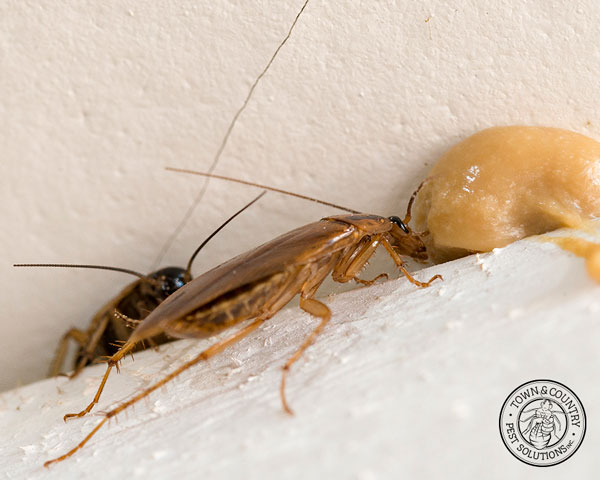
A single pest sighting can destroy a reputation that took years to build. In the age of viral social media and instant Google reviews, a customer spotting a cockroach in a dining room or a mouse scurrying across a retail floor isn’t just an operational hiccup—it is a public relations crisis.
Beyond the immediate damage to your brand image, pests pose severe risks to public health and property integrity. They carry pathogens, contaminate inventory, chew through electrical wiring, and can lead to failed health inspections or even forced closures. For commercial facility managers and business owners, pest control is not an optional expense; it is a critical form of insurance for your bottom line.
However, relying solely on a monthly visit from an exterminator is rarely enough. Effective pest control requires a proactive partnership between your staff and your pest management professional. This guide provides a comprehensive checklist to help you fortify your business against unwanted intruders, covering exterior defenses, interior protocols, and employee training.
Understanding Integrated Pest Management (IPM)
Before diving into specific tasks, it is important to understand the modern approach to pest control. The industry standard is Integrated Pest Management (IPM). Unlike old-school methods that relied heavily on spraying chemicals indiscriminately, IPM focuses on prevention, monitoring, and exclusion.
The goal of IPM is to remove the three things pests need to survive: food, water, and shelter. By eliminating these resources, you make your facility inhospitable to rodents and insects, reducing the need for chemical interventions. The following checklist is designed to support an IPM strategy.
Phase 1: Exterior Defense Checklist
Your building’s exterior is the first line of defense. Pests are constantly looking for a way inside, especially when the seasons change. Securing the perimeter is the most effective way to stop an infestation before it begins.
Waste Management Areas
Dumpsters and compactors are the primary attractants for pests at commercial properties.
- Keep lids closed: Ensure dumpster lids are kept closed and locked when not in use. An open dumpster is an invitation for rats, raccoons, and flies.
- Monitor pick-up schedules: If dumpsters are overflowing before pick-up day, increase the frequency of service.
- Clean the pad: The concrete pad underneath and around the dumpster should be pressure washed regularly to remove organic buildup and grease.
- Rotate containers: Ask your waste management provider to swap out dirty or damaged dumpsters for clean ones periodically.
Structural Integrity
- Seal cracks and crevices: Inspect the foundation for cracks. Mice can squeeze through openings the size of a dime; rats can fit through holes the size of a quarter. Seal these with weather-resistant caulk or steel wool.
- Install door sweeps: Gaps under doors are common entry points. Install high-density brush sweeps on all exterior doors. If you can see light coming through the bottom of a door, a pest can get in.
- Check screens and vents: Ensure all windows have tight-fitting screens without tears. Roof vents and exhaust fans should be covered with hardware cloth to prevent birds and rodents from entering.
Landscaping and Lighting
- Trim vegetation: Keep tree branches and shrubbery trimmed back at least two feet from the building. Branches touching the roof or walls act as bridges for ants and squirrels.
- Create a gravel barrier: If possible, maintain a gravel strip (18–24 inches wide) around the foundation. Rodents dislike moving across open surfaces, and this prevents vegetation from hiding burrowing activity.
- Adjust lighting: Insects are attracted to light, and spiders follow the insects. Replace mercury vapor lights with sodium vapor or LED lights, which are less attractive to flying insects. mount lights away from the building, directing the beam toward the door, rather than mounting them directly above entryways.
Phase 2: Interior Sanitation and Storage
Once pests breach the exterior, they need a reason to stay. Usually, that reason is poor sanitation or accessible food sources.
Kitchens and Break Rooms
- Deep clean drains: Organic matter builds up in floor drains, creating the perfect breeding ground for drain flies and fruit flies. Use a bio-enzymatic cleaner regularly to break down this buildup.
- Manage crumb accumulation: Break rooms are often neglected. Clean under vending machines, inside microwaves, and behind refrigerators where crumbs accumulate.
- Store food properly: All food products should be stored in airtight, pest-proof containers. Never leave food out on counters overnight.
- Empty trash nightly: Ensure all indoor trash cans are emptied and liners replaced at the end of every shift.
Storage and Inventory Areas
- Implement FIFO: Use the “First-In, First-Out” method for inventory. This ensures older stock is used before it spoils and reduces the chance of pests settling into undisturbed boxes.
- Keep items off the floor: Store all inventory on shelving units at least six inches off the floor and away from walls. This eliminates hiding spots and allows for easier inspection and cleaning.
- Inspect incoming shipments: Pests are often carried inside on delivery pallets. Inspect all boxes for signs of roaches or gnaw marks before bringing them into your storage area.
Moisture Control
Pests like cockroaches, ants, and silverfish require water to survive.
- Fix leaks immediately: Repair leaky faucets, pipes, and soda machines.
- Eliminate standing water: Check janitorial closets and mop buckets. Mops should be hung up to dry, not left in buckets or on the floor.
Phase 3: The Human Element
Even the best physical barriers will fail without human cooperation. Your employees are your eyes and ears on the ground.
Staff Training Protocols
- Recognize the signs: Train staff to identify common signs of pest activity, such as droppings, gnaw marks on packaging, shed skins, or grease tracks along baseboards.
- Establish a reporting system: Create a “Pest Sighting Log.” When an employee sees a pest, they should record the date, time, location, and type of pest. This data is invaluable for your pest management professional to identify trends and hotspots.
- Cultural reinforcement: Make sanitation a part of the company culture. Ensure staff understands that leaving a door propped open for fresh air or leaving a dirty dish in the sink compromises the entire facility.
Frequently Asked Questions
How often should a commercial business have pest control service?
The frequency depends on the industry. Food service and healthcare facilities typically require monthly or even bi-weekly service due to strict regulations and high risk. Office buildings or retail stores may only require quarterly service. However, consistency is key to preventing infestations.
Can we handle pest control ourselves with store-bought products?
For commercial businesses, DIY pest control is generally discouraged and often illegal depending on local regulations. Commercial environments require specialized knowledge and stronger treatments than residential settings. Furthermore, misusing pesticides can lead to liability issues, health hazards for employees, and ineffective results.
What is the most common entry point for pests in commercial buildings?
Loading docks and receiving doors are the most common entry points. These doors are often left open for long periods, allowing flies, rodents, and birds to enter freely. Installing air curtains (fly fans) and plastic strip curtains can help mitigate this risk.
Stay One Step Ahead
Pest management is a continuous process, not a one-time event. Pests are relentless biological machines designed to find food and shelter, and your business offers both. By implementing this checklist and maintaining a strong relationship with a licensed pest management professional, you can shift from a reactive stance to a proactive one.
Don’t wait for a negative review or a failed audit to take action. Walk your facility today with this checklist in hand. Identifying a small gap in a door frame or a leaky pipe now could save you thousands of dollars and protect your brand’s reputation for years to come.


