
You wake up with itchy red welts on your arms. You notice tiny rust-colored stains on your sheets. Maybe you spot something small and brownish crawling near your mattress seam. These could all be early warning signs of a bed bug infestation—and catching them early makes a significant difference in how quickly and affordably you can resolve the problem.
Bed bugs are notoriously difficult to detect. They’re small, nocturnal, and skilled at hiding in places most people never think to check. By the time a visible infestation becomes obvious, the colony has often grown large enough to spread to multiple rooms. Knowing the early signs gives you a real head start.
This guide covers exactly what to look for, where to look, and what steps to take if you find evidence of bed bugs in your home.
What Bed Bugs Look Like
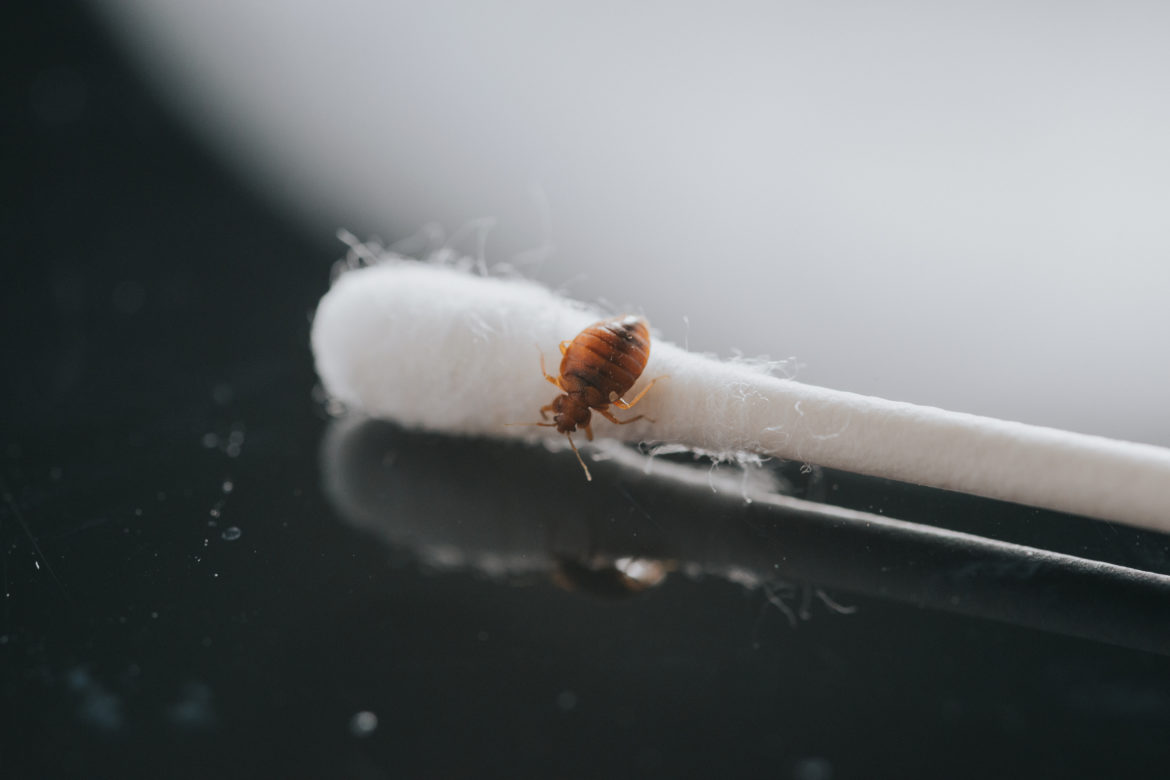
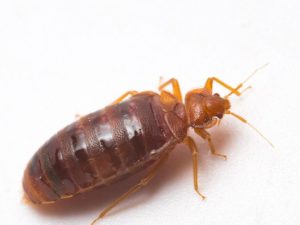
Before you can spot an infestation, you need to know what you’re looking for. Adult bed bugs are roughly the size of an apple seed—about 5–7mm long—and are reddish-brown in color. After feeding, they swell and become darker.
Nymphs (juveniles) are much harder to see. They’re translucent or pale yellow and can be as small as 1.5mm. Eggs are even tinier—white, oval-shaped, and about 1mm long, often found in clusters along mattress seams or furniture joints.
One key characteristic: bed bugs are flat when unfed. This body shape lets them squeeze into cracks barely wider than a credit card.
Early Warning Signs of a Bed Bug Infestation
Unexplained Bites on Your Skin
The most commonly reported early sign is waking up with itchy, red bites—usually in a line or cluster on exposed skin such as arms, shoulders, or neck. That said, bites alone are not a reliable indicator. Up to 30% of people don’t react to bed bug bites at all, and reactions can be delayed by days. Others mistake the bites for mosquito bites, hives, or allergic reactions.
Look for bites in rows of three or grouped together, sometimes called “breakfast, lunch, and dinner” by pest professionals. If bites are appearing consistently after sleep, that pattern is worth investigating further.
Small Blood Stains on Bedding
When bed bugs feed, they sometimes get crushed as you roll over during sleep. This leaves small, rust-colored or reddish-brown smears on your sheets or pillowcases. These stains are often the first physical evidence people notice—and they’re easy to overlook as minor spills or skin irritation marks.
Check white or light-colored bedding carefully, particularly near the seams and edges. Fresh stains will appear bright red; older ones turn brownish over time.
Dark Spots or Ink-Like Marks
Bed bug fecal matter looks like tiny dark dots—similar in appearance to a felt-tip pen mark. These spots are digested blood and will slightly bleed into fabric when touched with a damp cloth, which helps distinguish them from dirt.
You’ll typically find these spots:
- Along mattress seams
- On bed frames and headboards
- Behind wall outlets or switch plates
- On curtains near the floor
- Inside furniture joints
A cluster of these spots in a concentrated area strongly suggests a hiding spot.
A Musty, Sweet Odor
Bed bugs release pheromones that produce a distinctive musty, sweet smell—often compared to overripe raspberries or coriander. A faint version of this odor in a bedroom can be easy to dismiss, but a stronger smell typically indicates a larger, well-established colony.
If your bedroom has developed an unusual odor with no clear source, this is worth paying attention to, especially alongside other signs.
Shed Skins and Egg Casings
As bed bugs grow, they shed their exoskeletons (called molts or husks) up to five times before reaching adulthood. These pale, papery casings are often found in clusters near hiding spots. Similarly, hatched egg casings look like tiny white shells stuck to surfaces.
Finding multiple shed skins is a strong indicator of an active infestation, since bugs only molt while feeding regularly.
Where to Inspect Your Home
Start With the Mattress
Strip the bed completely and examine every inch of the mattress—pay close attention to seams, tags, and tufts. Use a flashlight and a thin card or magnifying glass if needed. Check the box spring as well, particularly the underside and any fabric covering.
Inspect the Bed Frame and Headboard
Bed bugs prefer wood over metal. Check every crack, joint, and screw hole in the frame and headboard. Hollow wooden furniture legs are a common hiding spot that’s often missed.
Check Nearby Furniture
A bed bug infestation rarely stays confined to just the bed. Inspect:
- Nightstands and dressers (especially in drawers and joints)
- Upholstered chairs or sofas near the sleeping area
- Baseboards and carpet edges
- Behind wall art or mirrors
Look Behind Electrical Outlets
This one surprises many homeowners. Bed bugs can travel through walls via electrical conduits, and wall plates provide dark, undisturbed hiding spaces. Remove cover plates carefully and inspect inside with a flashlight.
How to Confirm an Infestation
Seeing a live bed bug is the most definitive confirmation. If you spot one, try to capture it in a sealed container or bag—a pest professional can use it to verify the species. If you can’t capture one, clear, close-up photos from multiple angles will also help.
Interceptor traps placed under bed legs can catch bugs moving to and from the mattress. These are available at most hardware stores and are useful both for detection and monitoring. Leave them in place for at least a week before checking.
If you remain unsure, a licensed pest inspector can conduct a thorough assessment, sometimes using detection dogs trained specifically for bed bugs.
What to Do if You Find Bed Bugs
Don’t panic, and don’t move your belongings to another room. Moving infested items spreads the problem further.
Here’s what to do immediately:
- Wash and dry bedding on the highest heat setting. Heat above 118°F (48°C) kills bed bugs at all life stages.
- Vacuum thoroughly. Cover all seams, cracks, and nearby furniture. Seal the vacuum bag in a plastic bag and dispose of it outside immediately.
- Avoid sleeping in another room. This causes the bugs to follow you and spread the infestation.
- Contact a licensed pest control professional. DIY treatments rarely eliminate bed bugs completely, especially if the infestation has spread beyond the mattress. A professional can assess the scope and recommend the right treatment—heat treatment, chemical treatment, or a combination.
Frequently Asked Questions
Can bed bugs live in a clean home?
Yes. Bed bugs are not attracted to dirt or poor hygiene—they’re attracted to warmth and carbon dioxide. Any home, hotel, or apartment can develop an infestation regardless of how clean it is.
How fast do bed bugs spread?
A single female bed bug can lay 1–5 eggs per day. Under ideal conditions, a small group of bugs can grow into a significant infestation within weeks.
Can I get rid of bed bugs without a professional?
Minor, localized infestations caught very early may respond to diligent DIY treatment. However, most cases benefit significantly from professional intervention, as bed bugs are highly resistant to many over-the-counter products and can survive in hard-to-reach areas for months.
Do bed bugs only live in beds?
No. Despite the name, bed bugs can live in any soft or dark area with access to a human host. Sofas, office chairs, luggage, clothing, and even car seats can harbor infestations.
How long can bed bugs survive without feeding?
Adult bed bugs can survive 6–12 months without a blood meal under cool conditions. This is why vacating a property does not eliminate them.
Catch It Early, Deal With It Faster
The earlier you identify a bed bug infestation, the more contained—and less costly—the solution will be. A small cluster of bugs found in a mattress seam is far easier to treat than an infestation that has spread to three rooms over several months.
Make it a habit to check your bedding and nearby furniture periodically, especially after travel or purchasing secondhand furniture. If you find any of the signs described here, act quickly: document what you find, minimize movement of items throughout your home, and contact a pest professional promptly.
Early detection isn’t just about saving money. It’s about protecting your sleep, your health, and your peace of mind.


)