Most homeowners think of pest control as a matter of convenience. Nobody wants ants in the kitchen or mice scratching behind the walls at night. But the connection between pests and family health runs much deeper than comfort or aesthetics.
Pests carry bacteria, trigger allergies, contaminate food, and—in some cases—spread serious disease. Children, elderly family members, and anyone with respiratory issues are especially vulnerable. The good news? Keeping your home pest-free is one of the most practical things you can do to protect your family’s wellbeing.
This post breaks down exactly how pests affect your health, which species pose the greatest risks, and the steps you can take to keep your home clean, safe, and pest-free year-round.
The Hidden Health Risks of Common Household Pests
Pests are more than a nuisance. Many carry pathogens that transfer to humans through direct contact, contaminated food, or airborne particles.
Cockroaches and Respiratory Health
Cockroaches are one of the most significant indoor allergen sources known to scientists. Their shed skin, saliva, and droppings contain proteins that trigger asthma attacks and allergic reactions—particularly in children. Studies have linked cockroach allergen exposure to increased emergency room visits for asthma in urban households.
Beyond allergies, cockroaches can carry and spread bacteria including Salmonella and E. coli across kitchen surfaces, utensils, and food packaging.
Rodents and Disease Transmission
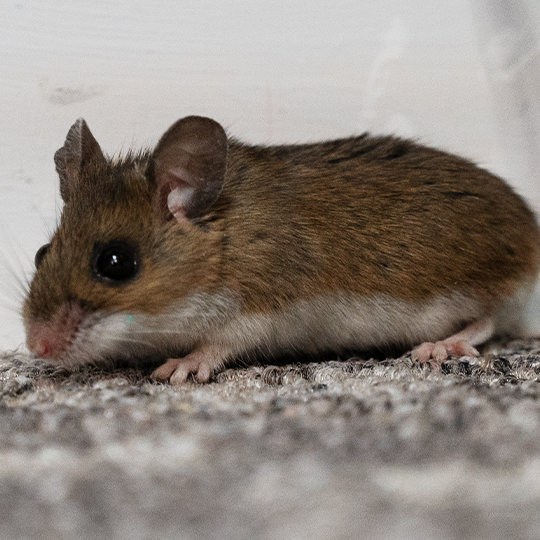
Mice and rats are efficient disease vectors. Hantavirus, leptospirosis, and rat-bite fever are among the illnesses associated with rodent infestations. Transmission doesn’t require direct contact—inhaling airborne particles from rodent urine or droppings is enough to cause infection in some cases.
Rodents also gnaw on electrical wiring, which creates fire hazards. A pest problem, left unaddressed, can evolve from a health concern into a structural one.
Mosquitoes and Tick-Borne Illnesses
Outdoor pests like mosquitoes and ticks bring their own set of risks. Mosquitoes transmit West Nile virus, dengue fever, and in certain regions, malaria. Ticks are the primary vector for Lyme disease, a condition that can cause long-term joint, heart, and neurological complications if not caught early.
These pests don’t stay outside. Ticks hitch rides on pets and clothing. Mosquitoes find gaps around windows and doors. Controlling the perimeter of your home matters just as much as managing the interior.
Flies and Food Contamination
House flies carry over 100 pathogens. They pick up bacteria from waste, garbage, and decaying matter, then land on food and cooking surfaces. A single fly can deposit millions of microorganisms in its lifetime. This makes open food storage and poor waste management a genuine health risk when flies are present.
How Pests Affect Mental Health and Sleep
The physical health impact of pests is well-documented, but the psychological toll is often overlooked.
Living with a pest infestation creates chronic stress. The awareness that your home is compromised—that something unwanted is sharing your space—can cause anxiety, disrupted sleep, and a persistent sense of unease. Bed bugs, in particular, are associated with significant psychological distress. Victims often report insomnia, hypervigilance, and emotional exhaustion even after infestations are resolved.
Children are especially sensitive to these effects. A home environment that feels unsafe or unclean can affect a child’s sense of security and overall mental wellbeing.
The Impact on Food Safety
Your kitchen is the most pest-sensitive room in the house. Pests access food through poorly sealed packaging, gaps in cabinetry, and open containers. Once they do, the contamination isn’t always visible.
Rodent droppings in a pantry, cockroach activity in a cabinet, or weevils in an open bag of flour can go undetected for weeks. Consuming contaminated food leads to gastrointestinal illness, and in vulnerable individuals—young children, pregnant women, and the elderly—the consequences can be severe.
Proper food storage, combined with regular pest inspections, dramatically reduces this risk.
Preventative Pest Control: Building a Healthier Home
Pest control doesn’t start with a call to an exterminator. It starts with the daily habits and structural conditions inside your home.
Seal Entry Points
Pests exploit gaps, cracks, and holes in your home’s exterior. Inspect the foundation, around pipes, window frames, and door seals regularly. Steel wool and caulk are effective materials for sealing small openings. For larger gaps, expanding foam or mesh screens work well.
Manage Moisture
Pests are drawn to moisture. Cockroaches, silverfish, and certain species of ants thrive in damp environments. Fix leaking pipes promptly, ensure bathrooms and basements are well-ventilated, and use a dehumidifier in areas prone to moisture buildup.
Store Food Properly
Transfer dry goods into airtight containers made of glass or hard plastic. Keep fruit in the refrigerator during warmer months, and clean up spills and crumbs immediately. Regularly check the back of cabinets and pantry shelves for signs of pest activity.
Keep Outdoor Areas Tidy
Firewood stacked against the house, overgrown shrubs, and standing water in gutters or garden beds all create ideal conditions for pests. Maintain a clear perimeter around your home. Store wood away from the structure and trim vegetation that makes contact with exterior walls.
Schedule Regular Inspections
Even well-maintained homes can develop pest problems. A professional inspection once or twice a year helps catch early signs of infestation before they escalate. Pest control professionals can also identify vulnerabilities in your home that aren’t obvious to the untrained eye.
When to Call a Professional
Some infestations are beyond the scope of DIY solutions. If you notice any of the following, contact a licensed pest control specialist promptly:
- Evidence of rodent activity (droppings, gnaw marks, nesting materials)
- A persistent cockroach problem despite sanitation efforts
- Bed bug signs, including bloodstains on bedding or shed skins along mattress seams
- Structural damage consistent with termite activity
- Repeated wasp or hornet nests in wall cavities or under eaves
Early intervention reduces health risks, minimizes structural damage, and is almost always less costly than addressing a full-scale infestation.
Frequently Asked Questions
Can pests make you sick even if you don’t see them?
Yes. Many pests—particularly cockroaches and rodents—are nocturnal and remain hidden during the day. Their allergens, droppings, and shed skin can affect air quality and contaminate surfaces without any visible pest activity.
How do I know if my child’s asthma is linked to pests?
If asthma symptoms worsen at home but improve when your child is elsewhere, indoor allergens—including those from cockroaches or dust mites—may be contributing. Consult an allergist for testing and speak with a pest control professional about reducing allergen sources.
Are natural or DIY pest control methods effective?
For minor issues and prevention, natural methods—like diatomaceous earth, essential oil sprays, and thorough cleaning—can be useful. For established infestations, professional treatment is typically more reliable and faster-acting.
How often should I have my home inspected for pests?
An annual inspection is a reasonable baseline for most homes. Homes in regions with high pest pressure, or those with a previous infestation history, benefit from biannual inspections.
Protecting Your Family Starts with Your Home
A pest-free home isn’t a luxury—it’s a foundation for your family’s health. The connection between indoor pest activity and physical illness, food contamination, poor sleep, and increased stress is clear. Addressing that connection proactively is far simpler, and less expensive, than managing the fallout of a serious infestation.
Start with the basics: seal gaps, manage moisture, store food securely, and keep your outdoor areas well-maintained. Add regular professional inspections, and you have a reliable system for keeping your home clean and your family protected.
The effort required is modest. The return—a healthier, safer living environment—is substantial.