
TL;DR: Wildlife removal gets existing animals out of your home, while wildlife exclusion seals entry points to keep new ones from moving in. Removal alone fixes a current problem; exclusion prevents the next one. Homeowners dealing with raccoons, squirrels, or rodents need both strategies working together for a lasting solution.
Finding evidence of wildlife in your attic or crawl space is unsettling enough. Scratching sounds at 2 a.m., droppings near the chimney, or a gap chewed through your soffit all point to the same conclusion: something has moved in uninvited. Most homeowners react by calling someone to “get the animal out,” and that instinct makes sense. But removal is only half the job.
Without sealing the entry point that let the animal in, another one will find it eventually. Wildlife exclusion and wildlife removal are often marketed as interchangeable services, but they solve two different problems. One deals with the animal that’s already there. The other stops the next one from showing up. Understanding the distinction — and why homes need both — can save you from paying for the same wildlife problem twice.
This post breaks down what each service actually involves, why skipping either one leaves your home vulnerable, and how to tell if a wildlife control provider is doing the job right.
What Is Wildlife Removal?
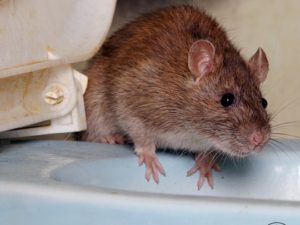
Wildlife removal refers to the physical act of extracting an animal that has already taken up residence inside a structure — typically an attic, chimney, crawl space, or wall void. Common culprits include raccoons, squirrels, opossums, bats, and rodents such as rats and mice.
A removal service generally involves:
- Inspection: Identifying the species, the extent of the infestation, and the location of nests or den sites.
- Trapping or capture: Using humane traps, one-way exclusion doors, or hand capture (for species like bats) to extract the animal.
- Relocation or release: Depending on local regulations, animals may be relocated or released on-site after exclusion work is complete.
Removal addresses the immediate, visible problem. If a raccoon has denned in your attic to raise her young, removal gets her — and eventually her kits — out of your home. What removal does not do is address how she got in, or whether another raccoon will find the same opening next spring.
What Is Wildlife Exclusion?
Wildlife exclusion is the preventive counterpart to removal. It focuses on identifying and sealing every possible entry point an animal could use to access a structure, making the building physically inaccessible to wildlife going forward.
Exclusion work typically includes:
- A full exterior inspection: Technicians examine the roofline, soffits, vents, foundation, utility penetrations, and chimney for gaps, damage, or wear that could allow entry.
- Sealing with durable materials: Common fixes include heavy-gauge steel mesh over vents, chimney caps, hardware cloth around foundation gaps, and sealant or flashing on damaged soffits and fascia boards.
- One-way doors during transition: If an animal is still present, exclusion devices allow it to exit but not re-enter, bridging the gap between removal and permanent sealing.
Exclusion is methodical because animals are opportunistic. A raccoon can squeeze through an opening as small as four inches. A mouse needs a gap of only about a quarter inch — roughly the diameter of a pencil, according to the National Pest Management Association. Missing even one access point undermines the entire effort.
Why Removal Without Exclusion Fails Long-Term
Choose removal alone if you’re confident the animal entered through a single, now-visible opening that you plan to repair yourself. For most homeowners, that confidence is misplaced — and that’s where removal-only approaches break down.
Here’s the core problem: most structures with one wildlife intrusion have multiple vulnerable points. A home old enough to have a raccoon problem usually has deteriorating fascia boards, gaps around plumbing stacks, and vents without proper screening — all potential entry points, whether or not an animal has used them yet.
Removing the current occupant without addressing these vulnerabilities means:
- Repeat infestations: The same species, or a different one, finds and uses another opening within weeks or months.
- Compounding damage: Each new occupant adds to insulation damage, chewed wiring, and contaminated drywall.
- Rising costs: Homeowners who call for removal repeatedly often end up spending more over a year than they would have spent on a single thorough exclusion job upfront.
Wildlife control companies that offer removal without a corresponding exclusion plan are solving today’s symptom, not tomorrow’s cause.
Why Exclusion Without Removal Is Dangerous
The reverse mistake — sealing a home while an animal is still inside — creates its own set of problems, and they’re worse than a repeat infestation.
Choose a trapping-first approach if there’s any evidence an animal is currently inside, because sealing entry points before confirming the structure is empty traps the animal inside. This leads to:
- Decomposition and odor: A trapped animal that dies inside a wall or attic creates an odor that can persist for weeks and often requires cutting into drywall to remove the carcass.
- Secondary pest problems: Decomposing remains attract flies, beetles, and other scavenging insects.
- Frantic escape damage: An animal that realizes it’s sealed in will often claw, chew, or dig to try to get out, causing additional structural damage.
- Separated offspring: Mother animals separated from their young by premature sealing will attempt to break back in, sometimes causing more damage than the original entry.
This is why reputable wildlife control providers always confirm a structure is empty — often using one-way doors or exclusion devices — before completing permanent sealing work.
Exclusion vs. Removal: A Side-by-Side Comparison
|
Factor |
Wildlife Removal |
Wildlife Exclusion |
|---|---|---|
|
Primary goal |
Extract animals currently present |
Prevent future entry |
|
Timing |
Reactive — addresses an active problem |
Proactive — addresses structural vulnerability |
|
Typical methods |
Trapping, one-way doors, hand capture |
Mesh, caps, sealant, hardware cloth |
|
Risk if skipped |
Animal remains inside, causing ongoing damage |
Repeat infestations from new animals |
|
Cost over time |
Lower upfront, higher if repeated |
Higher upfront, lower long-term |
|
Best used alone when |
Rarely recommended alone |
Only after removal is confirmed complete |
As the table shows, these services aren’t competing options — they’re sequential steps in the same process. Removal comes first to confirm the structure is empty. Exclusion follows to make sure it stays that way.
What a Complete Wildlife Control Process Looks Like
A thorough wildlife control job typically follows this sequence:
- Inspection: A technician identifies the species involved and maps every potential or confirmed entry point around the structure.
- Removal or exclusion-device installation: If animals are present, one-way doors or traps are installed to safely remove them without sealing them in.
- Confirmation of vacancy: The technician verifies — often over several days — that no animals remain inside, paying special attention to the possibility of dependent young.
- Permanent exclusion: Once the structure is confirmed empty, all identified entry points are sealed with durable materials suited to the specific vulnerability.
- Follow-up inspection: A return visit checks that exclusion materials are holding and that no new access points have appeared.
Homeowners evaluating a wildlife control company should ask directly whether their quoted service includes both removal and exclusion, or just one. A quote that only covers trapping, without a plan to seal entry points afterward, leaves the underlying vulnerability untouched.
Choosing the Right Approach for Your Situation
Choose immediate full-service wildlife control (removal plus exclusion) if you’ve already confirmed an active infestation — scratching sounds, droppings, or visible entry damage are all reliable indicators. Choose an exclusion-only inspection if you haven’t seen signs of current activity but want to prevent a first-time intrusion, particularly in older homes or those near wooded areas where raccoons, squirrels, and other wildlife are more common.
In either case, timing matters. Spring and early summer are peak denning seasons for many wildlife species, meaning structures are more likely to have dependent young inside. Scheduling exclusion work in late summer or fall — after young have left the den but before winter drives animals indoors seeking shelter — often reduces the risk of trapping animals inside.
Protecting Your Home for the Long Term
Wildlife removal and wildlife exclusion solve different problems, but neither one is complete without the other. Removal clears out what’s already there. Exclusion makes sure nothing else gets the chance to move in. Treating them as a single, sequential process — rather than two separate services — is what actually keeps a home wildlife-free.
If you’re dealing with signs of an active intrusion, start with an inspection that addresses both steps from the outset. Ask any wildlife control provider directly how they handle exclusion once removal is complete, and don’t settle for a quote that only covers one half of the job.
Frequently Asked Questions
What’s the difference between wildlife exclusion and wildlife removal?
Wildlife removal is the process of extracting an animal already living inside a structure, using methods like trapping or one-way doors. Wildlife exclusion is the process of sealing entry points — vents, gaps, chimneys, foundation openings — to prevent future animals from getting in. Removal fixes a current problem; exclusion prevents a future one.
How much does wildlife exclusion typically cost compared to removal?
Costs vary by region, structure size, and the extent of repairs needed, but exclusion work generally carries a higher upfront cost than a single removal visit because it involves materials and labor for sealing multiple access points. However, skipping exclusion often leads to repeat removal calls, which can cost more over time than a one-time exclusion job.
Can I just seal up my house without removing the animal first?
No. Sealing entry points before confirming an animal has left can trap it inside, leading to decomposition odors, secondary pest issues, and structural damage from the animal trying to escape. Always confirm the structure is empty — ideally using one-way exclusion doors — before permanent sealing.
How long does the full wildlife removal and exclusion process take?
Timelines vary by species and infestation size, but a typical process includes an initial inspection, several days to confirm the structure is empty using one-way doors, and a follow-up visit for permanent sealing. Cases involving dependent young, such as raccoon kits, may take longer since technicians wait for young to be mobile before completing removal.
Is wildlife exclusion a one-time fix, or does it need maintenance?
Exclusion materials like steel mesh and sealant are durable, but homes settle and weather over time, which can create new vulnerabilities. A follow-up inspection, along with periodic checks of vents, soffits, and the roofline, helps confirm exclusion work is still holding.