
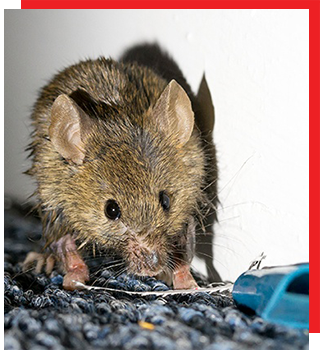
Quick answer: NY-area homes face seasonal invasions from Asian lady beetles, brown marmorated stink bugs, cluster flies, spiders, and mice every fall. These pests seek warmth indoors as temperatures drop, squeezing through small cracks near windows, siding, and rooflines. Sealing entry points, reducing outdoor harborage, and scheduling a fall pest inspection are the most effective ways to prevent infestations before winter sets in.
Rochester’s harsh winters don’t just bring snow and ice. They also send a predictable wave of pests looking for a warm place to wait out the cold. Each October, homeowners across Monroe County start noticing clusters of bugs on sunny exterior walls, tiny beetles collecting on windowsills, or the occasional mouse scurrying along the baseboard. This isn’t bad luck. It’s a seasonal pattern rooted in how these pests survive upstate New York winters.
Understanding which pests are most likely to invade, why they target homes specifically, and how to stop them before they get inside can save you a frustrating winter of swatting beetles and chasing spiders out of corners. This guide breaks down the most common overwintering pests in the Rochester area and the practical steps you can take to keep your home pest-free.
Why Do Pests Invade Rochester Homes in Winter?
Many insects can’t survive freezing temperatures in their active form, so they look for sheltered spots to enter a dormant state called diapause. Outdoors, this might mean a hollow log, leaf litter, or the bark of a tree. But homes offer something even better: consistent warmth, stable humidity, and protection from predators.
Rochester’s location in USDA hardiness zone 6a means residents experience long, cold winters with regular freezes between November and March. That extended cold season gives overwintering pests a strong incentive to find their way indoors well before the first hard frost, often as early as September.
Common Overwintering Pests in the Rochester Area
|
Pest |
Peak Invasion Time |
Where They Hide |
Main Risk |
|---|---|---|---|
|
Boxelder bugs |
Late September–October |
Wall voids, attics, window frames |
Nuisance, staining fabric |
|
Asian lady beetles |
October |
Attics, wall voids, light fixtures |
Bites, odor, allergens |
|
Brown marmorated stink bugs |
September–November |
Attics, wall voids, crawl spaces |
Odor when crushed, crop damage |
|
Cluster flies |
September–October |
Attics, upper wall voids |
Nuisance, buzzing noise |
|
Spiders |
Year-round, peak in fall |
Basements, garages, closets |
Bites (rare), web buildup |
|
House mice |
October–December |
Walls, insulation, cabinets |
Property damage, disease |
Boxelder Bugs
Boxelder bugs are easy to identify by their black bodies and distinctive orange-red markings. They’re drawn to boxelder, maple, and ash trees, which are common throughout Rochester neighborhoods. Once the weather cools, these bugs congregate on sun-warmed, south-facing walls before slipping through gaps around windows and siding. While they don’t bite or cause structural damage, their sheer numbers can be overwhelming, and they can leave reddish stains if crushed indoors.
Asian Lady Beetles
Often mistaken for ladybugs, Asian lady beetles were introduced to North America decades ago to control agricultural pests. Unlike native ladybugs, they tend to swarm buildings in large numbers each fall, entering through attic vents, soffits, and cracks near rooflines. They can emit a foul odor and a yellowish fluid when threatened, and some people experience mild allergic reactions to repeated exposure.
Brown Marmorated Stink Bugs
Since their introduction to the U.S. in the late 1990s, brown marmorated stink bugs have spread across much of the Northeast, including western New York. According to Cornell Cooperative Extension, these pests are agricultural threats as well as household nuisances, and they release a pungent odor when disturbed or crushed. They favor attics, wall cavities, and crawl spaces, where they remain dormant until warmer temperatures return in spring.
Cluster Flies
Cluster flies resemble house flies but move more sluggishly and tend to gather in large groups, or clusters, in attics and upper-level wall spaces. They’re parasitic to earthworms during warmer months, which makes homes near gardens or lawns especially appealing in fall. While they pose no direct health threat, their presence indoors can be a persistent annoyance through the winter and into early spring.
Spiders
Rochester’s basements, garages, and crawl spaces are prime real estate for overwintering spiders. Species like cellar spiders and wolf spiders often move indoors to escape dropping temperatures. Most are harmless and even beneficial, feeding on other household pests, but heavy infestations can still signal a bigger problem, such as another pest they’re feeding on.
House Mice
Unlike insects, mice remain active all winter and actively seek shelter as outdoor food sources disappear. A single mouse can squeeze through a gap as small as a dime, making even well-maintained Rochester homes vulnerable. Beyond the nuisance factor, mice can chew through wiring, insulation, and stored food, and they’re known carriers of diseases like hantavirus.
How to Prevent Overwintering Pests From Invading Your Home
Choose prevention methods based on which pests are most likely to target your property. If your home is surrounded by mature trees, prioritize sealing gaps near the roofline to stop boxelder bugs and lady beetles. If you live near open fields or gardens, focus on foundation and basement entry points to deter mice and spiders.
A few proven strategies apply across the board:
- Seal exterior cracks and gaps. Caulk around windows, doors, utility lines, and foundation cracks before temperatures drop.
- Repair damaged screens and vents. Attic and soffit vents are common entry points for lady beetles and stink bugs.
- Trim vegetation away from the house. Overhanging branches and shrubs touching the siding give pests an easy bridge indoors.
- Store firewood away from the foundation. Woodpiles are a favorite overwintering spot for spiders and boxelder bugs.
- Schedule a fall pest inspection. A professional can identify vulnerable entry points before pests move in, rather than after.
Don’t Wait for the First Cold Snap
Overwintering pests in the Rochester area follow a predictable calendar, which means prevention works best when it starts early. Waiting until you spot beetles on your windowsill or hear scratching in the walls means dealing with an active infestation rather than stopping one before it starts. A fall inspection, combined with basic exclusion work around your home’s exterior, goes a long way toward a quieter, pest-free winter.
If you’re noticing early signs of activity, or simply want peace of mind before the cold sets in, reach out to a local pest control professional who understands Rochester’s specific seasonal patterns.
Frequently Asked Questions
When do overwintering pests start appearing in Rochester, NY?
Most overwintering pests, including boxelder bugs, Asian lady beetles, and stink bugs, begin seeking shelter indoors between September and late October, as outdoor temperatures start dropping consistently.
Are overwintering pests dangerous to my health?
Most overwintering insects, like boxelder bugs and cluster flies, are nuisances rather than health hazards. Mice, however, can carry disease and damage property, making them a higher priority to address quickly.
Can I get rid of overwintering pests myself?
Sealing entry points and reducing outdoor harborage can help with minor pest activity. Large infestations, especially of mice or stink bugs, typically require professional treatment to fully resolve.
Why do pests keep coming back every fall?
If entry points aren’t sealed, pests will continue using the same gaps and cracks year after year. Addressing the structural vulnerabilities, not just the visible pests, is key to breaking the cycle.
Is it normal to see these pests even in a clean home?
Yes. Overwintering pests aren’t attracted by food or dirt like typical household pests. They’re drawn to warmth and shelter, so even spotless homes can experience seasonal invasions.


)