
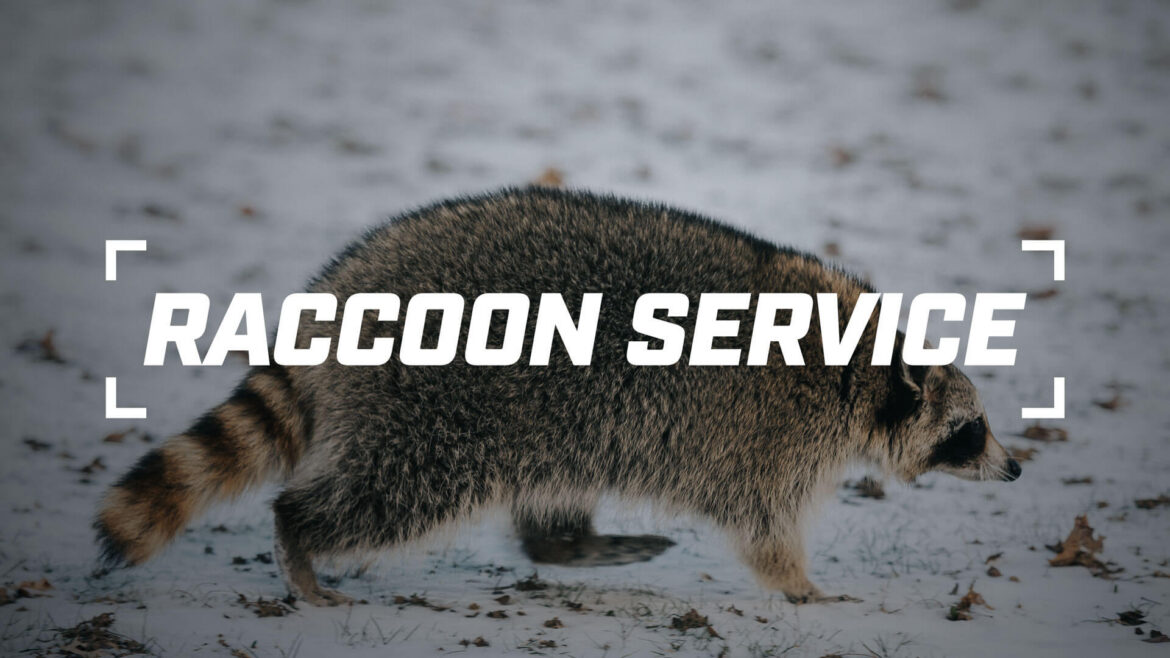
Raccoons in your attic pose serious health and structural risks. Start by identifying signs of entry, then contact a licensed wildlife removal professional. Never attempt to trap or relocate raccoons without checking your local laws first—regulations vary widely by state and municipality.
You hear it around 2 a.m.—a heavy thud, followed by shuffling, then silence. A few nights later, the same thing. By the time most homeowners realize raccoons have moved in, the animals have already nested, chewed through insulation, and potentially contaminated the attic with feces.
Raccoons are resourceful, adaptable, and surprisingly strong. A gap as small as four inches is enough for one to squeeze through. Once inside, they don’t leave on their own—especially if a female has chosen your attic as a denning site for her young. According to the Humane Society of the United States, raccoon litters are typically born between March and June, which means spring infestations often involve a mother and several kits hidden deeper in the insulation.
This guide covers everything you need to know: the real risks of a raccoon infestation, what the law says about removal, and how to get them out safely and permanently.
What Are the Real Risks of Raccoons Living in Your Attic?
Raccoons aren’t just noisy neighbors—their presence creates layered problems that compound the longer they stay. Understanding the full scope of damage helps you act with appropriate urgency.
Structural and Property Damage
Raccoons are destructive by nature, not malice. They tear open roof vents, rip back shingles, and chew through wood fascia to create or widen entry points. Once inside, they shred insulation for bedding, gnaw on electrical wiring, and contaminate ductwork.
Chewed wiring is particularly serious. Exposed wires in an attic create a genuine fire hazard—one that may not be detected until significant damage has occurred. Insulation replacement alone can cost between $1,500 and $4,000 depending on attic size, and that figure doesn’t include structural repairs.
Health Hazards: Raccoon Roundworm and Leptospirosis
|
Health Risk |
Source |
Transmission to Humans |
|---|---|---|
|
Baylisascaris procyonis (raccoon roundworm) |
Raccoon feces |
Ingestion of eggs; can cause serious neurological damage |
|
Leptospirosis |
Raccoon urine |
Contact with contaminated water or surfaces |
|
Rabies |
Saliva/bite |
Direct contact with infected animal |
|
Histoplasmosis |
Fungal spores in droppings |
Inhalation of disturbed spores |
Raccoon feces carry Baylisascaris procyonis, a roundworm whose eggs can survive in the environment for years. The Centers for Disease Control and Prevention (CDC) classifies this parasite as a rare but serious cause of larva migrans in humans, with documented cases involving severe neurological damage. Disturbance of dried droppings—during DIY cleanup efforts, for example—can release eggs into the air.
Leptospirosis, spread through raccoon urine, can cause flu-like symptoms and, in severe cases, kidney or liver failure. These risks make professional cleanup after removal just as important as the removal itself.
Secondary Pest Infestations
Raccoons frequently bring fleas, ticks, and mites with them. After removal, these parasites remain in nesting material and can spread into the living areas of your home. This is why debris removal and attic sanitation must follow any successful eviction.
What Are the Legal Considerations for Raccoon Removal?
Before setting a trap or attempting any removal method, you need to understand the legal landscape. Raccoons are classified as wildlife, and handling them incorrectly can result in fines—or, in some jurisdictions, criminal charges.
Are Raccoons Protected by Law?
Raccoons are not federally protected in the United States, but they are regulated at the state and local level. Most states classify raccoons as a “nuisance wildlife” species and allow homeowners to trap them under specific conditions. However, the rules around trapping, transport, and relocation vary considerably.
|
State |
Permit Required? |
Relocation Allowed? |
Notes |
|---|---|---|---|
|
California |
Yes (in some counties) |
Restricted |
Relocation across county lines is generally prohibited |
|
Texas |
No |
Yes (within county) |
Must be released the same day |
|
Florida |
No |
Yes |
Must be released within the same county |
|
New York |
No (for nuisance wildlife) |
Yes |
Cannot relocate to state or federal land |
|
Illinois |
No |
Restricted |
Must contact IDNR for guidance |
Note: This table reflects general guidance only. Always verify current regulations with your state wildlife agency before taking action.
Do You Need a License to Remove Raccoons?
In most states, homeowners may trap raccoons on their own property without a permit. However, some states require a nuisance wildlife control permit for any live trapping. Hiring a licensed wildlife removal company typically sidesteps this issue, as they hold the appropriate permits and are trained in humane handling practices.
One important point: releasing a raccoon in a public park, nature reserve, or across state lines is illegal in most jurisdictions. Raccoons can carry diseases that may spread to local wildlife populations, which is why relocation sites are regulated.
What About Lethal Removal Methods?
Lethal trapping (such as body-grip traps) is legal in many states but subject to specific regulations regarding trap type, placement, and required check frequency. Killing raccoons during their denning season—particularly when young are present—raises both legal and ethical concerns. Most wildlife control professionals recommend live trapping followed by either licensed relocation or euthanasia performed by a certified professional when relocation isn’t viable.
How Do You Safely Remove Raccoons from Your Attic?
Safe, permanent removal follows a clear process. Rushing any step—or skipping straight to trapping without addressing entry points—almost guarantees a repeat infestation.
Step 1: Confirm the Infestation and Identify Entry Points
Listen for activity patterns. Raccoons are predominantly nocturnal, so noise between dusk and dawn is a strong indicator. Look for these physical signs:
- Droppings or urine stains on attic insulation
- Flattened or torn insulation (used for nesting)
- Torn roof vents, damaged soffits, or pulled-back shingles
- Muddy paw prints near roofline or on exterior walls
- A strong, musky ammonia odor in the attic
Walk the exterior of your home and inspect the roofline carefully. Raccoons commonly enter through roof vents, gable vents, chimneys, and damaged soffits.
Step 2: Determine Whether Young Are Present
This step is critical and often skipped by homeowners attempting DIY removal. If a mother raccoon has kits in your attic, trapping her alone will strand the young—and a nest of dying kits creates both a humanitarian problem and an additional odor and pest issue.
A licensed wildlife removal specialist will inspect for the presence of young before setting any traps. Many professionals use a one-way exclusion door approach during denning season, which allows the mother to exit but not re-enter, encouraging her to relocate her young on her own.
Step 3: Choose a Removal Method
|
Method |
Best For |
Considerations |
|---|---|---|
|
One-way exclusion door |
Active denning season; mother + kits |
Humane; takes several days; requires all other entry points to be sealed first |
|
Live cage trapping |
Non-denning season; single animals |
Requires daily checks; legal restrictions on relocation |
|
Eviction fluid |
Early-stage infestations |
Uses predator or male raccoon scent to encourage female to relocate; effective, not always reliable |
|
Professional removal |
All situations |
Most effective; handles permits, cleanup, and exclusion |
For most homeowners, hiring a licensed wildlife removal company is the most practical and legally sound option. The National Wildlife Control Operators Association (NWCOA) maintains a directory of certified professionals who follow humane and legal removal standards.
Step 4: Seal All Entry Points
Trapping raccoons without sealing entry points is a short-term fix. Others will move in. After confirming all animals have been removed, seal every opening with materials raccoons cannot chew through:
- Hardware cloth (16-gauge or thicker): Use over vents and gaps in the roofline
- Sheet metal flashing: Seal edges of soffits and fascia boards
- Concrete or heavy-gauge steel mesh: For chimney caps and larger openings
Wood, foam insulation, and standard plastic mesh are not adequate—raccoons will chew through all three.
Step 5: Clean, Sanitize, and Restore the Attic
This step is non-negotiable from a health standpoint. Raccoon droppings and contaminated insulation must be removed using proper PPE: an N95 respirator at minimum, disposable coveralls, and gloves.
A professional attic restoration service will:
- Remove all contaminated insulation
- Apply an enzyme-based disinfectant to eliminate parasites and bacteria
- Install new insulation to restore energy efficiency
- Treat for secondary pests (fleas, ticks, mites)
The cost of professional attic remediation typically ranges from $1,000 to $5,000, depending on the extent of contamination and insulation replacement requirements.
How Can You Prevent Raccoons from Returning?
Exclusion is the most reliable long-term prevention strategy. Beyond sealing entry points, the following measures reduce your property’s appeal to raccoons:
- Secure garbage cans with bungee cords or a locking lid—raccoons are highly motivated by food sources
- Remove outdoor pet food at night; a bowl of kibble is an open invitation
- Trim tree branches that hang over or touch your roofline, eliminating a common access route
- Install chimney caps and vent covers as a standard home maintenance measure
- Use motion-activated lights or sprinklers near known entry points to deter nocturnal activity
Raccoons have strong site fidelity—they remember productive foraging areas and return year after year. Removing attractants dramatically reduces the chance of reinfestation.
When Should You Call a Professional Instead of Handling It Yourself?
DIY removal is legal in many states and can be done safely under the right conditions. However, call a licensed wildlife removal professional if:
- You suspect a mother raccoon with young is present
- You cannot safely access your roofline or attic
- There are signs of significant structural damage or electrical issues
- You are unsure of local regulations and permit requirements
- The infestation has been ongoing for more than a few weeks
A licensed professional brings the right tools, proper permits, and experience handling situations where DIY attempts often make things worse—particularly when kits are involved.
Take Action Before the Problem Grows
A raccoon in your attic is not a problem that resolves itself. The longer an infestation continues, the greater the structural damage, health risk, and remediation cost. The good news: with the right approach, raccoons can be removed humanely, legally, and permanently.
Start by confirming the infestation, checking for the presence of young, and reviewing your state’s wildlife regulations. If you have any doubt about the process—or if a mother with kits is involved—contact a licensed wildlife control operator. After removal, prioritize attic sanitation and seal every entry point with materials raccoons cannot penetrate.
Most importantly, act promptly. What starts as a noise problem at 2 a.m. can become a costly, health-threatening situation within weeks.
Frequently Asked Questions
How do I know if raccoons are in my attic and not another animal?
Raccoons are heavier than squirrels or rats, so the sounds they make are louder and more deliberate—heavy footsteps, rolling sounds, and vocal chittering, particularly between dusk and dawn. Squirrel activity typically occurs during the day. Raccoon droppings are also distinctive: dark, tubular, and about two to three inches long, often found in a concentrated latrine area in the attic.
Is it safe to remove raccoons from my attic myself?
DIY removal is legal in most states and feasible if no young are present, you can safely access the attic, and you follow local regulations. However, direct contact with raccoons should always be avoided due to rabies risk. If you cannot confirm that the attic contains a single adult animal with no kits, professional removal is the safer choice.
How much does professional raccoon removal cost?
Wildlife removal services typically charge between $300 and $1,500 for trapping and exclusion, depending on the complexity of the infestation and your location. Attic cleanup and insulation restoration are usually billed separately, ranging from $1,000 to $5,000. Always request an itemized quote that includes exclusion work, not just trapping.
Can I relocate a raccoon I’ve trapped myself?
In many states, homeowners may relocate trapped raccoons within the same county. However, releasing raccoons on public land, across county lines, or in another state is prohibited in most jurisdictions. Contact your state wildlife agency for specific rules before attempting relocation.
Will raccoons leave on their own once the weather changes?
Raccoons do not hibernate and do not typically leave an attic voluntarily—especially if a female has established a denning site. Without active removal and entry point exclusion, raccoons will remain in your attic year-round and likely return the following breeding season.
How long does the raccoon removal process take?
Live trapping usually takes between three and seven days. One-way exclusion doors may take longer, particularly if a mother needs time to relocate her kits. Full attic remediation—cleaning, sanitizing, and insulation replacement—can add another one to three days depending on the extent of contamination.


