Traveling for spring break should leave you with great memories and a nice tan. The last thing you want is a suitcase full of tiny, blood-sucking hitchhikers. Bed bugs thrive in high-turnover environments like hotels, resorts, and vacation rentals. They grab onto fabric, hide in the seams of your luggage, and happily ride all the way back to your house.
Preventing a home infestation requires a proactive approach before, during, and after your trip. Getting rid of these pests once they settle into your bedroom is notoriously difficult and expensive. By following a few simple travel habits, you can protect your belongings and enjoy your vacation with total peace of mind. Here is exactly what you need to do to keep bed bugs away from your clothes and luggage.
Inspect Your Room Immediately
Your first line of defense happens the moment you open the door to your hotel room or vacation rental. Do not toss your bags onto the bed. Instead, place your luggage in the bathroom, preferably in the bathtub. Bed bugs rarely hide in slick, tiled areas, making the bathroom the safest temporary spot for your belongings while you conduct a thorough inspection.
Check the Mattress and Bedding
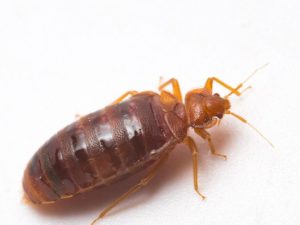
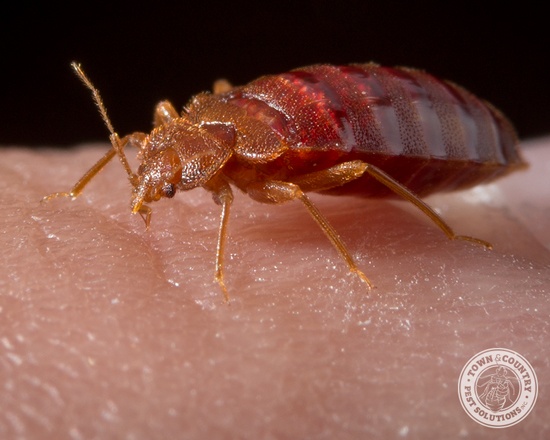
Pull back the sheets and blankets. You are looking for live bugs, which are about the size and color of an apple seed. You should also look for tiny rust-colored stains or small dark dots, which indicate bed bug droppings. Pay special attention to the seams, piping, and corners of the mattress and box spring. These tight crevices are their favorite hiding spots.
Examine Surrounding Furniture
Bed bugs do not strictly limit themselves to the bed. Inspect the upholstered furniture in the room. Look behind the headboard, check the seams of any armchairs, and open the nightstand drawers. Use the flashlight on your smartphone to illuminate dark corners. If you see any signs of an infestation, grab your bags and immediately request a new room. Make sure your new room is not directly adjacent to, above, or below the infested one, as these bugs can easily travel through wall voids.
Protect Your Luggage During the Trip
Even if your room passes the initial inspection, you should maintain defensive habits throughout your stay. A clean visual check greatly reduces your risk, but microscopic eggs or a single hidden bug can still slip by unnoticed.
Keep Suitcases Elevated
Never leave your suitcase on the floor or the spare bed. Use the metal or wooden luggage rack provided by the hotel. Inspect the rack first to ensure no pests are hiding in the webbing. Keeping your luggage elevated makes it much harder for crawling insects to access your clothes.
Utilize Plastic Bags
Pack your clothing inside sealed plastic bags or packing cubes. Bring a few large trash bags to store your dirty laundry. Bed bugs are highly attracted to the scent of human sweat and skin cells lingering on worn clothes. Sealing your dirty laundry tightly deprives them of a target and keeps your clean clothes secure.
Take Action When You Return Home
The trip might be over, but your prevention efforts are not. How you handle your luggage upon returning home determines whether a stray bug starts a full-blown infestation in your house.
Unpack Outside or in the Garage
Resist the urge to drag your suitcase directly into your bedroom. If possible, unpack your bags in the garage, on the patio, or in the laundry room. This keeps any potential stragglers far away from your carpets and living spaces.
Wash and Dry Everything Immediately
Empty your luggage directly into the washing machine. Wash all your clothing, even the items you did not wear, in the hottest water the fabric can tolerate. Next, dry the clothes on the highest heat setting for at least 30 minutes. Heat is highly lethal to bed bugs at all stages of life, including eggs. The intense temperature of a standard clothes dryer will eliminate any pests hiding in the fabric.
Vacuum Your Luggage
Once your clothes are safely in the laundry, grab your vacuum cleaner. Use the crevice tool to carefully vacuum the inside and outside of your suitcase. Pay close attention to the zippers, pockets, and seams. When you finish, immediately empty the vacuum canister into an outdoor trash can or seal the vacuum bag in plastic before throwing it away. Store your empty luggage in the garage, basement, or attic rather than under your bed.
Frequently Asked Questions About Travel and Bed Bugs
To help you stay fully informed, here are direct answers to the most common questions travelers have about bed bugs.
Can bed bugs survive on airplanes?
Yes. Bed bugs can easily transfer from one person’s luggage to another in the cargo hold or the overhead compartments. Wrapping your suitcase in a protective plastic cover before checking it can provide an extra layer of security during transit.
Does bug spray repel bed bugs?
Standard insect repellents containing DEET do not effectively deter bed bugs. The best way to prevent them is through physical barriers, thorough inspections, and heat treatments.
How long does it take to know if you brought bed bugs home?
It can take anywhere from a few days to a few weeks to notice an infestation. You might wake up with itchy, red bites in a line or zigzag pattern. You may also start noticing tiny dark spots on your own sheets. If you suspect an issue, contact a professional exterminator immediately.
Keep Your Post-Vacation Peace of Mind
Returning from spring break should be relaxing. By inspecting your accommodations, storing your luggage smartly, and sanitizing your items the moment you get home, you drastically reduce the chances of a pest invasion. Make these simple steps a permanent part of your travel routine. You will sleep much better knowing you left the bed bugs behind.