
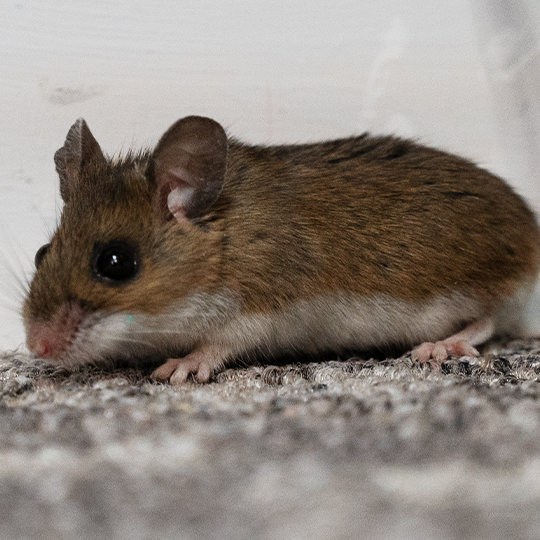
There are few things more unsettling than walking into your kitchen for a midnight snack and spotting a cockroach scurrying across the counter. It triggers an immediate, primal reaction. Your home is your sanctuary, and the invasion of unwanted guests—whether they have six legs or four—can shatter that sense of security instantly.
Beyond the “ick” factor, pests pose genuine risks to your household. Rodents can chew through electrical wiring, creating fire hazards, while insects like mosquitoes and flies are notorious carriers of disease. Termites silently destroy the structural integrity of your property, often causing thousands of dollars in damage before you even notice they are there.
Many homeowners believe that pest control starts and ends with a can of bug spray. However, reactive measures are often temporary fixes to a permanent problem. The most effective strategy is proactive prevention. By making your home inhospitable to pests, you stop infestations before they begin.
You don’t need to turn your house into a fortress or spend a fortune on exterminators to achieve a pest-free environment. With a few strategic changes to your cleaning routine and some minor home maintenance, you can effectively lock out intruders. Here is a comprehensive guide to pest-proofing your living space using five simple, proven steps.
1. Seal the Exterior Perimeter
The first line of defense is your home’s exterior shell. Pests are opportunists; they are constantly looking for warmth and shelter, and they will exploit the tiniest weakness in your architecture to get it. A mouse can squeeze through a hole the size of a dime, and insects need even less space to infiltrate.
Start by conducting a thorough audit of your home’s exterior. Walk around the foundation and look for cracks in the concrete or gaps where pipes and utility lines enter the house. These are common entryways that are frequently overlooked. Use a high-quality silicone caulk or expanding foam to seal these gaps permanently. For larger holes, stuff them with steel wool before caulking, as rodents cannot chew through the steel fibers.
Next, turn your attention to windows and doors. Over time, weatherstripping wears down and screens can tear. Replace any worn weatherstripping around door frames and install door sweeps on all exterior doors. If you can see light coming through the bottom of a closed door, a bug can get in. Check all window screens for rips or holes and patch or replace them immediately. Even a small tear is like a welcome mat for mosquitoes and flies.
Don’t forget the roof. Vents and chimneys should be covered with sturdy mesh screens to prevent birds, squirrels, and raccoons from taking up residence in your attic.
2. Starve Them Out: Eliminate Food Sources
Pests enter your home for three main reasons: shelter, water, and food. If you remove the buffet, they have little reason to stay. Kitchen hygiene is arguably the most critical factor in pest prevention, but it goes deeper than just wiping down counters.
Dry goods stored in cardboard boxes or paper bags are vulnerable. Flour, sugar, cereals, and pasta are magnets for pantry moths, weevils, and rodents, who can easily chew through flimsy packaging. Transfer these items into airtight hard plastic or glass containers. This not only keeps the food fresher for longer but also creates an impenetrable barrier against hungry invaders.
Be mindful of pet food as well. Leaving a bowl of kibble out overnight is essentially setting a trap for ants and mice. Feed your pets at specific times and pick up the bowls when they are finished. Store bulk pet food in sealed bins, preferably metal ones if rodents are a concern.
Garbage management is equally important. Your indoor trash can should have a tight-fitting lid, and it should be emptied regularly. When moving trash outside, ensure your exterior bins are secure and free of holes. If your trash bins are caked with old food residue, rinse them out with a hose and disinfectant. The scent of decaying organic matter can attract pests from blocks away.
3. Dry It Up: Remove Moisture
While food attracts many pests, water is essential for their survival. Cockroaches, silverfish, termites, and carpenter ants thrive in damp environments. In fact, a moisture problem in your home is often the precursor to a pest problem.
Start by checking under your sinks in the kitchen and bathrooms. Even a slow drip from a P-trap can create a moist environment that pests love. Fix any leaky faucets, pipes, or clogged drains immediately.
Basements, attics, and crawl spaces are notorious for high humidity. If these areas feel damp or smell musty, consider running a dehumidifier to keep the air dry. Proper ventilation is key; ensure your attic and crawl space vents are not blocked by insulation or debris.
Outside the home, ensure that your gutters and downspouts are clean and functioning correctly. Clogged gutters can cause water to pool near your home’s foundation, softening the wood and soil, which attracts termites and provides a breeding ground for mosquitoes. Direct water away from your foundation with downspout extenders to keep the perimeter of your home dry.
4. Declutter and Remove Shelter
Pests are agoraphobic; they hate open spaces where they are vulnerable. They prefer dark, cramped, undisturbed areas where they can breed in peace. Clutter provides the perfect architecture for a pest metropolis.
Cardboard boxes are a particular favorite for roaches and silverfish. The glue used in the boxes provides a food source, and the corrugation offers an ideal hiding spot. If you are using your garage or basement for storage, swap out cardboard boxes for plastic storage bins with lids. This protects your belongings from moisture and keeps pests out.
Inside the home, try to keep piles of newspapers, magazines, and laundry off the floor. The more open floor space you have, the fewer places insects and spiders have to hide.
This principle applies to your yard as well. Woodpiles, compost heaps, and overgrown vegetation shouldn’t be right up against your house. Stack firewood at least 20 feet away from your home and keep it elevated off the ground. If you have dense shrubbery or ivy growing against your siding, trim it back. These plants act as a “bridge,” allowing ants and spiders to bypass your treated soil and walk directly onto your walls.
5. Routine Maintenance and Landscaping
Pest-proofing is not a one-time event; it is an ongoing process of maintenance. As seasons change, so do the behaviors of pests. In the fall, mice look for warmth; in the spring, ants look for food.
Maintain your landscaping to minimize contact with the house. Tree branches that hang over your roof act as a highway for rats and squirrels to access your attic. Trim branches back so they are several feet away from the roofline. Keep mulch beds a few inches away from the foundation, as the moisture in mulch is attractive to termites and millipedes. Instead, use a barrier of crushed stone or gravel directly against the foundation wall.
Regularly inspect your home’s siding and foundation. Houses settle over time, which can create new cracks and crevices. A quick inspection once every season can help you catch these new entry points before they become a problem.
Finally, clean your drains. Organic gunk builds up in kitchen and bathroom drains over time, which can attract drain flies. A simple mixture of baking soda and vinegar, followed by boiling water, can help keep drains clear and odor-free.
Secure Your Sanctuary
Pest-proofing your home is an investment in your property and your peace of mind. It doesn’t require toxic chemicals or expensive gadgets—just a commitment to maintenance and hygiene. By sealing entry points, removing food and water sources, and reducing clutter, you force pests to look elsewhere for their needs.
Start this weekend. Pick one of the five steps—perhaps organizing the pantry or caulking the windows—and tackle it. Even small changes can drastically reduce the likelihood of an infestation. A secure home is a comfortable home, free from the worry of unwanted visitors.


