
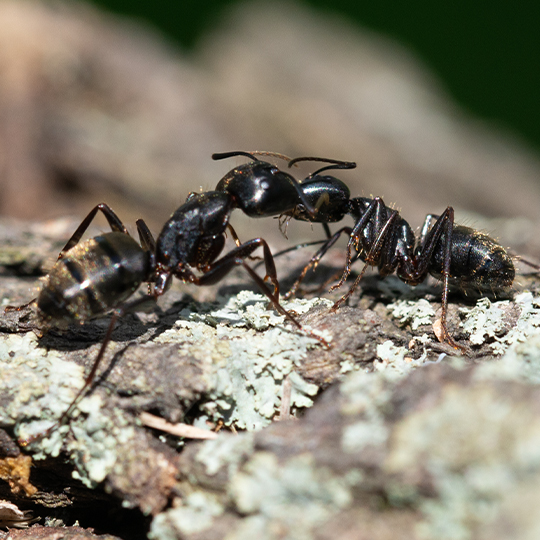
There are few things more unsettling than spotting a cockroach skittering across the kitchen floor or hearing the tell-tale scratching of a mouse inside the wall. When homeowners encounter these unwelcome guests, the first reaction is often to wonder where they came from. It can feel like pests appear out of thin air, bypassing locked doors and shut windows like magic.
The reality is far less mysterious. Pests are opportunists. They are constantly scouting the perimeter of your house, looking for warmth, food, and shelter. They don’t need a wide-open front door to make themselves at home; they only need a crack, a gap, or a vent that hasn’t been properly secured.
Understanding how insects and rodents breach your defenses is the first step toward a pest-free environment. By identifying these vulnerable areas, you can take proactive measures to seal them off, saving yourself the stress and expense of a full-blown infestation. Here is a guide to the most common entry points pests use to invade your living space.
1. Exterior Doors and Thresholds
The most obvious entry point is often the most overlooked. While you might keep your doors locked, pests can easily slip through the gaps around the frame. If you can see light peeking through the bottom or sides of your closed door, a pest can get in.
Mice, for example, can squeeze their bodies through openings as small as a dime. Insects need even less space. Over time, weather stripping wears down and door sweeps crack or fall off, creating a highway for ants, spiders, and rodents.
What to look for:
- Worn weather stripping: Check the foam or rubber lining around the door jamb. If it’s brittle or missing chunks, replace it immediately.
- Gaps under the door: Install a sturdy door sweep that brushes against the threshold to block the gap at the bottom.
- Pet doors: Flaps on pet doors often don’t seal tightly. Consider an electronic pet door that only opens when it senses your pet’s collar.
2. Windows and Screens
Windows are intended to let fresh air in, but they often let bugs in alongside the breeze. The primary culprit here is usually the screen. A tiny tear or a frame that is slightly bent provides easy access for mosquitoes, flies, and gnats.
Even when windows are closed, they can still be vulnerable. As houses settle, gaps can form between the window frame and the siding. These cracks are perfect hiding spots for spiders and entryways for ants.
What to look for:
- Damaged screens: regularly inspect screens for holes and patch them or replace the mesh entirely.
- ** warped frames:** Ensure the screen fits tightly into the window track.
- Caulking failures: Inspect the exterior sealant around the window frame. If it’s cracking or peeling, scrape it out and apply a fresh bead of silicone caulk.
3. Utility Pass-Throughs and Vents
Your home requires various utilities to function—electricity, gas, water, air conditioning, and cable. When these lines are installed, contractors drill holes through the side of the house or the foundation. Rarely are these holes drilled to the exact size of the pipe or wire.
The resulting gap around the pipe is a common thoroughfare for rodents and insects. Since these utility lines often lead directly into basements, kitchens, or utility rooms, they provide pests with a direct route to the heart of your home.
What to look for:
- Exterior vents: Dryer vents and exhaust fans should have covers or flaps that close when not in use. Install mesh guards to prevent birds and rodents from nesting inside.
- Pipe gaps: Check where AC lines, gas pipes, and outdoor faucets enter the wall. Fill small gaps with exterior caulk and larger gaps with steel wool and expanding foam.
4. Cracks in the Foundation and Siding
Houses age, and as they do, materials expand, contract, and settle. This natural process often results in cracks in the concrete foundation or gaps in the siding. While a hairline fracture might seem insignificant to a human, it is a welcoming doorway for subterranean termites and ants.
Specifically, “weep holes”—the small gaps left in brick veneer to allow moisture to escape—are necessary for the house to breathe but are notorious entry points. Without proper screening, mice and snakes can utilize these openings to access the space between the walls.
What to look for:
- Foundation inspection: Walk the perimeter of your house annually to look for new cracks. Seal concrete cracks with an appropriate masonry sealer.
- Weep hole covers: Do not seal weep holes completely with caulk, as this traps moisture. Instead, purchase specialized weep hole covers or insert steel wool, which allows air out but keeps pests (and their teeth) out.
5. Roofs, Eaves, and Chimneys
Pests don’t just attack from the ground level. Raccoons, squirrels, bats, and roof rats are excellent climbers. They will readily exploit weaknesses in your roofline to gain access to the warm, insulated shelter of your attic.
Soffits (the underside of the roof overhang) and fascia boards can rot over time due to water damage, becoming soft enough for animals to chew through. Chimneys without caps are essentially open chutes dropping straight into your living room or basement.
What to look for:
- Rotting wood: Inspect fascia and soffits for signs of decay or gnaw marks.
- Loose shingles: damaged shingles can allow insects to burrow into the roof deck.
- Chimney caps: Ensure your chimney has a secure cap with a mesh screen to prevent animals from falling in or nesting.
6. The Garage
If you have an attached garage, you have a massive entry point that is likely open frequently. Garage doors are rarely airtight. The rubber seal at the bottom of the main door is prone to cracking and unevenness, especially if the driveway concrete has shifted.
Once a pest is in the garage, they are halfway inside your house. They can nest in storage boxes or find their way into the main living area through the connecting door or unsealed wall joints.
What to look for:
- Door seals: Check the bottom rubber seal of the garage door. If you can see daylight when the door is closed, it needs replacing.
- Clutter: Keep storage organized and off the floor to minimize nesting sites that attract pests in the first place.
Seal Your Perimeter to Protect Your Peace
Keeping pests out is not about turning your home into a fortress; it is about attention to detail. Most infestations start small, with a single bug finding a single gap. By regularly inspecting these common entry points and performing basic maintenance, you drastically reduce the likelihood of unwanted guests.
Take a walk around your property this weekend. Look at your home through the eyes of a pest. If you see a gap, fill it. If you see a crack, seal it. A tube of caulk and a little bit of time are far cheaper than a contract with an exterminator.


