
Pulling out holiday decorations is often a cherished tradition, signaling the start of a festive season filled with family and friends. As you unpack those boxes of ornaments, lights, and wreaths, you might encounter a less welcome surprise: spiders and their webs. While a few cobwebs might seem harmless, they can be a sign of a larger pest problem lurking within your stored treasures.
Taking the time to deweb and clean your decorations is more than just a housekeeping chore. It’s a crucial step in pest prevention that protects your home and ensures your holiday setup is clean and safe. This guide will walk you through why pests are attracted to stored decorations and provide a simple, effective process for dewebbing them, so your only holiday guests are the ones you’ve invited.
Why Pests Love Your Holiday Decorations
Garages, attics, and basements are ideal storage spots for holiday decorations, but they’re also favorite hangouts for pests. These areas are typically dark, undisturbed for most of the year, and offer plenty of hiding places. For spiders, insects, and even rodents, a dusty box of decorations is the perfect place to build a home.
Common Pests Found in Decoration Boxes
When you open your storage bins, you might find more than just tinsel. Here are some of the most common uninvited guests:
- Spiders: Spiders are the most frequent culprits, spinning webs to catch other insects that have also found their way into your storage. While most house spiders are harmless, some, like black widows or brown recluses, can be venomous and pose a health risk. Their presence indicates that other bugs are also nearby, as spiders build webs where there is a steady food source.
- Cockroaches: These resilient pests are drawn to cardboard and the glue that holds boxes together. They can also hide in the crevices of decorations and may lay egg cases (oothecae) in your storage containers.
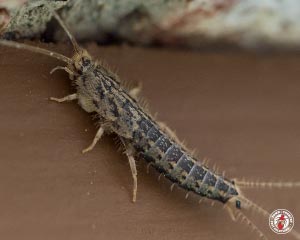
- Silverfish: These small, wingless insects thrive in dark, damp environments. They feed on starches and adhesives, meaning your cardboard boxes and old paper decorations are a feast for them.
- Rodents: Mice and rats may chew through cardboard boxes to create nests, using shredded paper, fabric from stockings, and other soft materials. Their droppings and urine can contaminate your decorations and pose health risks.
Unpacking these pests along with your decorations can introduce an infestation into your living spaces, creating a problem that lasts long after the holidays are over.
A Step-by-Step Guide to Dewebbing Decorations
To ensure your home remains pest-free, follow this simple process for cleaning and dewebbing your holiday items before you bring them inside. It’s best to do this outdoors, in a garage or on a patio, to prevent spiders and other pests from scurrying into your home.
Step 1: Prepare Your Cleaning Station
Before you open a single box, get your supplies ready. This will make the process smoother and more efficient. You’ll need:
- A large tarp or old sheet to place on the ground.
- Gloves to protect your hands.
- A soft-bristled brush or a handheld vacuum with a brush attachment.
- A bucket of warm, soapy water and a few clean cloths.
- A dry towel or microfiber cloths for drying.
- Durable, sealable plastic storage bins to replace old cardboard boxes.
Step 2: Inspect Before You Unpack
Carefully inspect the outside of your storage boxes or containers. Look for any signs of pest activity, such as spider webs, rodent droppings, or holes chewed through the cardboard. If you see evidence of a significant infestation, like numerous droppings or live pests, you may want to handle the box with extra caution or consider disposing of it altogether.
Step 3: Deweb and Clean Each Item
Open the boxes outside and remove each decoration one by one. As you take each item out, inspect it closely for webs, egg sacs, live insects, or droppings.
- For webs and dust: Use a soft-bristled brush or a handheld vacuum to gently remove webs and dust. Pay close attention to crevices and hollow areas where spiders love to hide. For delicate ornaments, a can of compressed air can blow away debris without causing damage.
- For hard decorations: Items made of plastic, glass, or metal can be wiped down with a cloth dipped in warm, soapy water. Be sure to dry them completely before repacking to prevent mold and mildew.
- For fabric and soft decorations: For items like stockings, tree skirts, or plush ornaments, shake them out thoroughly. If the care label allows, you can launder them on a gentle cycle. Alternatively, you can tumble dry them on a low-heat setting for about 15 minutes to kill any lingering pests or eggs.
Step 4: Clean and Upgrade Your Storage
Once your decorations are clean, turn your attention to the storage containers. If you’ve been using cardboard boxes, now is the perfect time to upgrade. Cardboard is a food source for some pests and easily absorbs moisture, creating an inviting environment for insects and mold.
Switch to airtight plastic bins with secure lids. These containers create a physical barrier that pests cannot easily penetrate. Before placing your clean decorations inside, wipe down the new bins to ensure they are free of dust.
Long-Term Pest Prevention for Your Decorations
Cleaning your decorations annually is a great start, but a few extra steps can help keep them pest-free all year long.
Choose the Right Storage Location
Where you store your decorations matters. Avoid damp basements or hot attics if possible. A cool, dry place like a closet or a climate-controlled storage unit is best. If you must use a garage or attic, place bins on shelves off the floor to reduce access for pests.
Use Natural Pest Repellents
You can add natural repellents to your storage bins to deter pests. Cedar blocks, lavender sachets, or cinnamon sticks are known to repel moths, silverfish, and spiders. Place a few inside each bin before sealing it for the year. Avoid using mothballs, as they contain harsh chemicals and leave a strong, unpleasant odor on your items.
Regular Pest Control Maintenance
The best way to protect your stored items is to maintain a pest-free home year-round. Regular pest control treatments can create a protective barrier around your property, stopping pests before they can find their way into your storage areas.
Prepare for a Pest-Free Holiday
By taking a little extra time to deweb and properly store your holiday decorations, you can prevent unwanted pests from joining your celebrations. This simple annual ritual not only keeps your home cleaner but also protects your cherished holiday items, ensuring they can be enjoyed for many years to come.
If you uncover a significant pest problem during your cleaning or want to take proactive steps to protect your home, don’t hesitate to contact a professional pest control service. They can help you identify and eliminate infestations, giving you peace of mind this holiday season.


