
Pests are a common nuisance, showing up uninvited in our homes and gardens. We often see them as just that—a nuisance to be dealt with quickly. But behind their unwelcome appearances lies a world of incredible biology and surprising behaviors. From cockroaches that can survive without their heads to ants that practice agriculture, the lives of these small creatures are far more complex and fascinating than most people realize.
Getting to know these pests can change how we see them. Understanding their unique abilities and social structures can provide a new perspective on the creatures we share our world with. This article will explore ten fascinating facts about common pests, revealing the hidden and often astonishing details of their existence. You’ll learn about their remarkable survival skills, intricate social lives, and surprising strengths. Prepare to be amazed by the secret lives of the pests you thought you knew.
The Secret World of Common Pests
Let’s pull back the curtain on some of the most common household pests and discover what makes them so unique.
1. A Cockroach Can Live for a Week Without Its Head
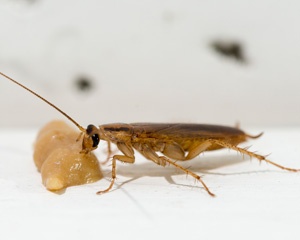
It sounds like something from a horror movie, but it’s true. A cockroach can survive for up to a week after being decapitated. This is possible because their vital life functions are not concentrated in their heads as they are in humans. Cockroaches have an open circulatory system and breathe through small holes in their body segments called spiracles. They don’t need their head or mouth to breathe.
Their brain doesn’t control these essential functions, so the body can continue to live until it runs out of energy. The headless cockroach eventually dies from dehydration because it can no longer drink water. This incredible resilience is a key reason why cockroaches have been around for hundreds of millions of years and are so notoriously difficult to eliminate.
2. Ants Can Lift 50 Times Their Own Body Weight
If a human had the proportional strength of an ant, they could lift a car. Ants are incredibly strong for their size, capable of carrying objects that are 10 to 50 times their own body weight. This amazing feat is due to their small size and powerful muscles.
Because they are so light, their muscles don’t have to carry much of their own body mass, allowing them to dedicate more power to lifting external objects. This strength enables them to build complex nests, transport food over long distances, and defend their colonies effectively. Next time you see an ant carrying a large crumb, take a moment to appreciate its superhuman strength.
3. Termites Never Sleep
Imagine working 24 hours a day, 7 days a week, without a single break. That’s the life of a termite. These industrious insects never sleep. From the moment they hatch, termites are constantly working. Their tasks include foraging for food (wood), tending to the queen, building tunnels, and defending the colony.
This non-stop activity is what allows them to cause such extensive damage in a relatively short amount of time. A large termite colony can consume wood at a surprising rate, silently weakening the structure of a home. Their tireless nature is driven by instinct and a commitment to the survival of their colony.
4. Houseflies Taste with Their Feet
Have you ever noticed a housefly landing on your food and rubbing its feet together? It’s not just cleaning itself—it’s tasting your meal. Houseflies have taste receptors called chemosensilla on their lower legs and feet. When they land on a potential food source, they can immediately determine if it’s something they want to eat.
If the food is appealing, the fly will lower its proboscis (a straw-like mouthpart) to suck up the liquid. Because they often land on unsanitary surfaces like garbage and animal waste, this behavior is a primary way they transmit diseases to human food.
5. Fleas are Olympic-Level Jumpers
Fleas are tiny, but they are incredible athletes. A flea can jump vertically up to 7 inches and horizontally up to 13 inches. To put that in perspective, if a human could jump like a flea, they could clear a 30-story building in a single leap.
This powerful jumping ability is thanks to a protein called resilin in their hind legs, which acts like a compressed spring. When a flea prepares to jump, it stores energy in the resilin and then releases it in an explosive burst. This allows them to easily hop from host to host, which is how infestations spread so quickly among pets and even to humans.
6. Mosquitoes Are the Deadliest Animals on Earth
While sharks and lions may seem more frightening, the mosquito is responsible for more human deaths than any other animal. This is because mosquitoes are vectors for numerous deadly diseases, including malaria, dengue fever, Zika virus, and West Nile virus.
According to the World Health Organization, mosquito-borne illnesses kill hundreds of thousands of people each year, with malaria being the most significant threat. Only female mosquitoes bite humans, as they require the protein from blood to produce their eggs. Their ability to transmit pathogens makes them a major global health concern.
7. Bed Bugs Can Survive for a Year Without a Meal
Bed bugs are notoriously resilient pests, and one of their most impressive survival tactics is their ability to endure long periods of starvation. An adult bed bug can live for up to a year without feeding, especially in cooler temperatures.
They achieve this by entering a dormant state, where their metabolism slows down significantly. This allows them to wait patiently until a host—a warm-blooded animal like a human—becomes available. Their ability to survive without food for so long makes them incredibly difficult to eradicate. Even if a home is empty for months, a bed bug infestation can persist and re-emerge when people return.
8. Rodents’ Teeth Never Stop Growing
Rats and mice belong to the rodent family, which is characterized by a pair of continuously growing incisors. These teeth grow throughout the animal’s life, at a rate of several inches per year. To keep their teeth from becoming too long, rodents must constantly gnaw on hard surfaces.
This is why they chew on everything from wood and plastic to electrical wires and pipes. Their incessant gnawing can cause significant structural damage and create fire hazards. The need to wear down their teeth is a fundamental part of their biology and a primary reason they are so destructive.
9. Some Ants Are Farmers
Humans aren’t the only species that practice agriculture. Leafcutter ants, found in Central and South America, are sophisticated farmers. They don’t eat the leaves they meticulously cut and carry back to their nests. Instead, they use the leaf fragments as a substrate to grow a specific type of fungus.
This fungus is the colony’s primary food source. The ants cultivate their fungal gardens with care, weeding out unwanted mold and providing the fungus with fresh leaves. This symbiotic relationship is a remarkable example of complex behavior in the insect world.
10. A Queen Ant Can Live for Decades
While most worker ants live for only a few months, a queen ant can have an astonishingly long lifespan. Depending on the species, a queen ant can live for up to 30 years. During her long life, her sole purpose is to lay eggs, producing millions of offspring that will build and sustain the colony.
The queen is the heart of the colony, and her health and longevity are crucial for its survival. When the queen dies, the colony usually dies with her, as there is no one to produce new generations of workers.
Understanding Pests Better
Pests may be unwelcome in our homes, but their biology and behaviors are undeniably impressive. From the cockroach’s headless survival to the ant’s incredible strength, these creatures have developed remarkable strategies to thrive. Understanding these facts can help us appreciate their complexity and approach pest control with more informed strategies. While we may not want them as roommates, we can certainly respect their place in the natural world.


